- SMALL ORDERS FOR STANDARD ITEMS. Contact Now
- OUTDOOR COOLING SOLUTIONS, MADE IN‑HOUSE. Contact Now
- COOLER BOXES THAT FIT REAL OUTDOOR LIFE. Contact Now

 LANGUAGE
 日本語
 Español
 عربى

Industry News
best ice coolers for camping: Applications, Selection Criteria, and Practical Guidance
Content
By the second morning of a weekend trip, a cheap cooler has usually turned into a tub of lukewarm water, and the ice you paid for is gone. The fix is not always a bigger box. It is usually a better match between what you pack, how long you stay out, and how the cooler is built.
The short answer: the best ice cooler for camping is the one whose usable volume fits your food and drinks, whose insulation fits the number of nights you are away, and whose weight and handles fit the distance you have to carry it. Those three matches decide whether you still have ice at dinner on day two.
Ice Retention Comes Down to Four Things
Cooler labels talk about days of ice, but four physical variables decide the real result.
- Insulation type and thickness. Foam that is injected in place and bonded to the shell outperforms loose or thin foam. A 20 mm foam wall holds cold noticeably longer than a 10 mm wall of the same density, and air gaps between the liner and the shell waste the difference.
- Lid seal and latch pressure. Cold air is heavy and sinks, so a lid that sits flat and closes under light tension keeps that cold layer where it belongs. A warped lid leaks every time someone lifts it.
- Fill ratio. A box that is two thirds full of ice and one third full of food holds far longer than a half empty one. Empty space warms quickly and then has to be cooled again at the cost of your ice.
- Starting temperature. Drinks that went in warm steal roughly a day of ice from a small box. Pre-chilled food and frozen water bottles change the math more than any feature on the lid.
Drain plugs, hinges and lid fit tolerances matter too, but they show up in durability and handling rather than in raw ice life.
Match Capacity to Your Camping Style
Capacity is the first decision because it drives weight, price and how often you buy ice. The three tiers below cover almost every car camping trip.
| Capacity tier | Typical group | Trip length | What it holds | Carry style |
|---|---|---|---|---|
| 5 to 13 liters | 1 to 2 people | Day trip or one night | 6 to 10 cans plus a small ice pack | Handle or shoulder strap |
| 15 to 38 liters | 2 to 4 people | 1 to 3 nights | Food for two meals plus drinks for a day | Side handles or wheels |
| 45 to 80 liters | 4 people or more | 3 nights or longer | A full weekend of food and drinks | Wheels with a telescopic handle |
A rough planning rule for mixed food and drink: allow 1.5 to 2 liters of usable volume per person per day, then leave a little spare room so the ice can sit on top.
Small Ice Coolers: 5 to 13 Liters
At this size, weight and comfort matter more than ice days. A 6 liter box carried by hand for twenty minutes feels heavier than a 26 liter box rolled on wheels, so a shoulder strap or an ergonomic handle is worth more than an extra centimeter of foam.
What to look for in a small camping cooler: a foam wall of 15 mm or more, a lid that seals with a light press, a cup holder or a small ice pack slot, and a base that does not slide on a tent floor. Keep the loaded weight under about 5 kg if you plan to hike with it.
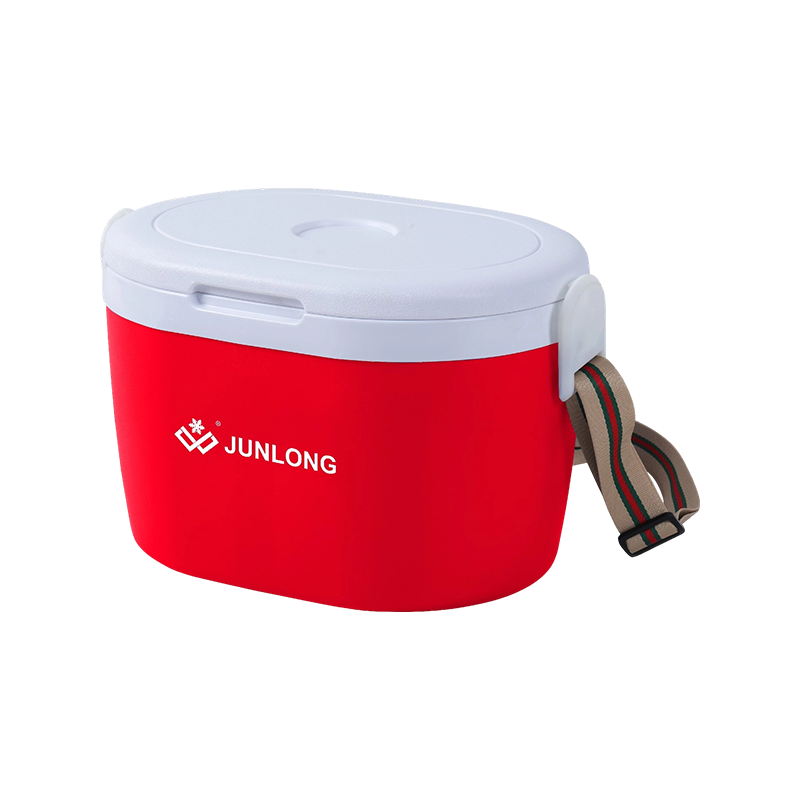
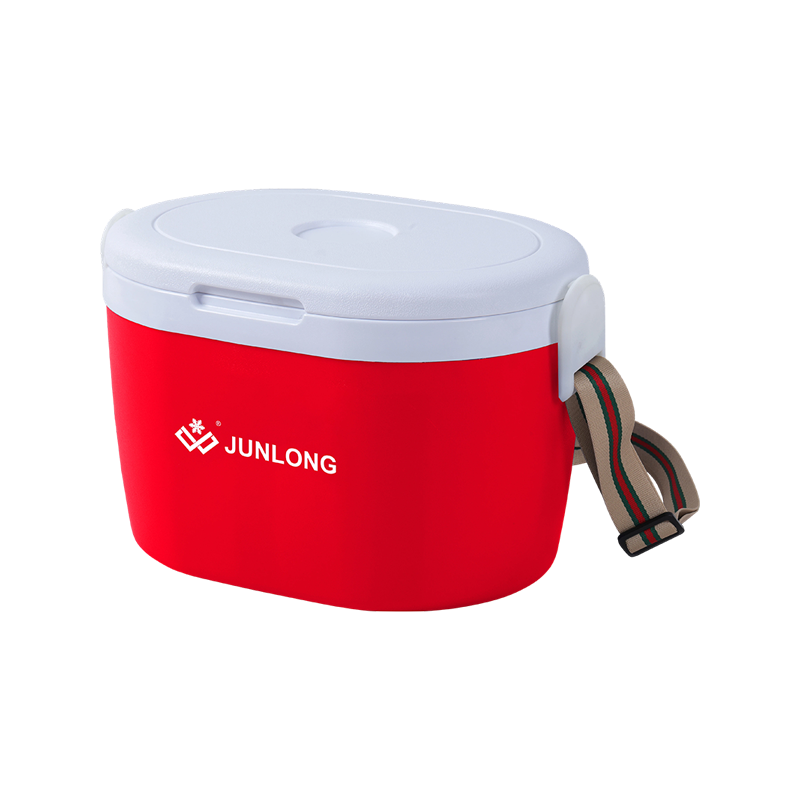
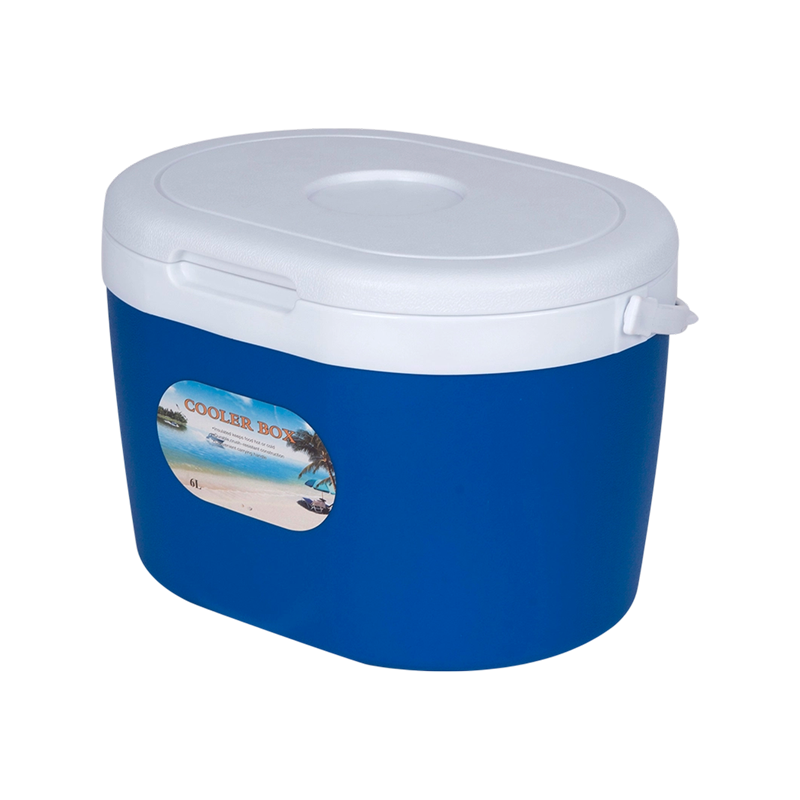 JUNLONG 6L Small Insulated Cooler Box with Carry StrapA compact 6L option with an adjustable, detachable shoulder strap and secure locking lid, suited to short hikes, picnics and daily outings.View Product →
Medium Ice Coolers: 15 to 38 Liters
This is where most camping trips land. A medium box is small enough for one person to lift and large enough to feed a family for a weekend, which is why the 15 to 38 liter range is the most common choice on our production line.
Two details separate a good medium cooler from a frustrating one. First, the lid needs a real seal and a latch that does not pop open on a rough track. Second, the interior should be shaped so that a block of ice fits flat on the bottom with food stacked above it. A 26 liter box with PU foam insulation and a flat interior will outlast a 30 liter box with a narrow, stepped floor.
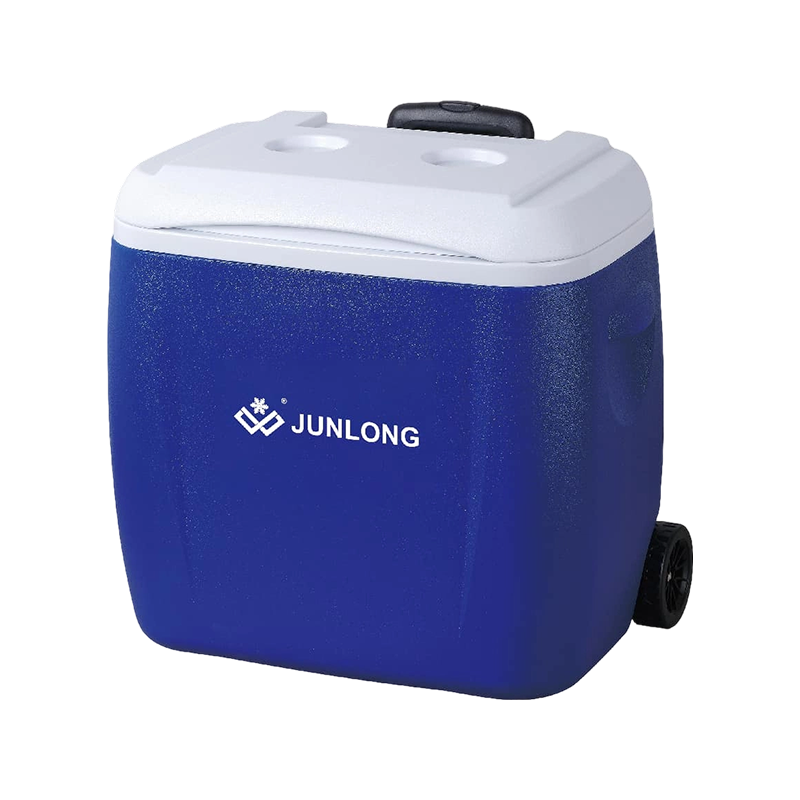
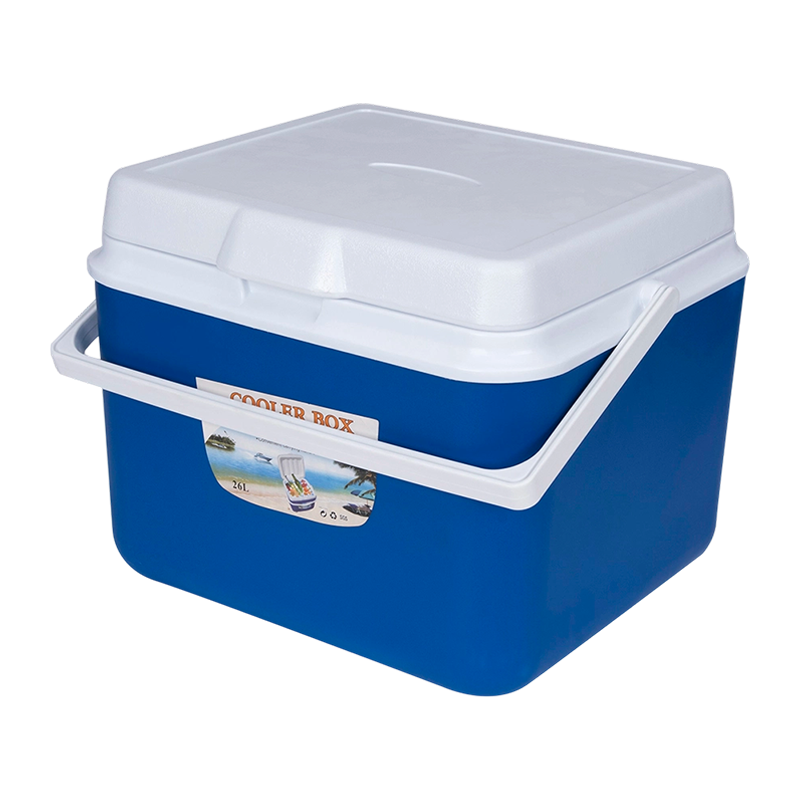 26L Foam Insulated Outdoor Cooler Box for CampingA 26L medium cooler with thick foam and EPS insulation, up to 48 hours, sturdy handle, and room for family day-trip provisions.View Product →
Large Ice Coolers: 45 to 80 Liters
Above 45 liters, weight becomes the main problem. A loaded 60 liter cooler can reach 30 kg, which is past the point where two people want to carry it across a wet field. Wheels and a telescopic handle are not a luxury at this size, they decide whether the cooler leaves the car at all.
Large boxes also need stronger hardware: a drain plug that seals under pressure, hinges that survive hundreds of openings, and a lid that keeps its shape in summer heat. If you camp with a group for three nights or more, one large cooler for food plus a separate jug for drinks usually works better than a single box that gets opened all day.
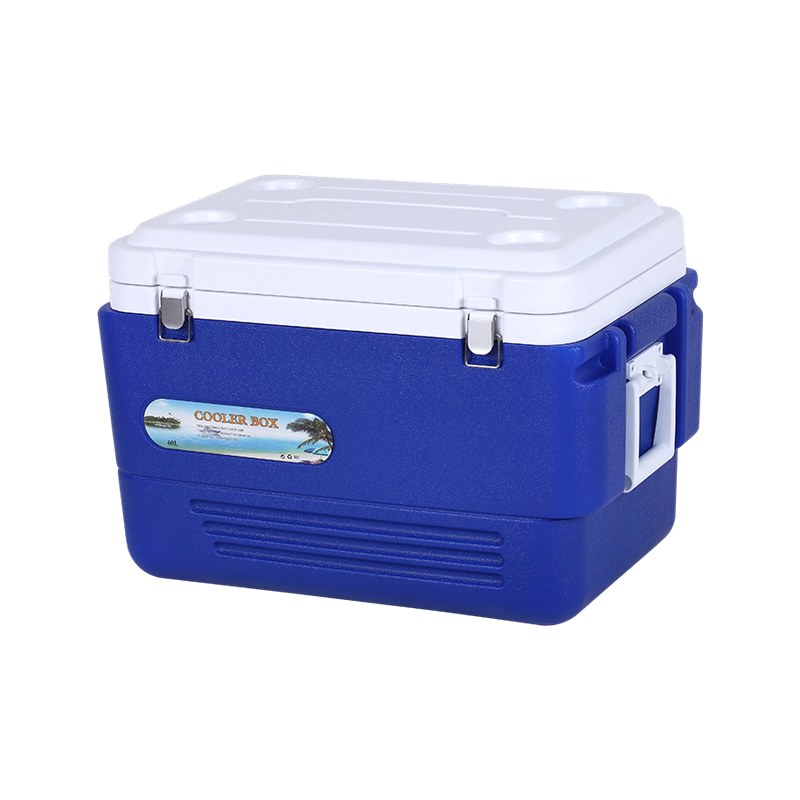
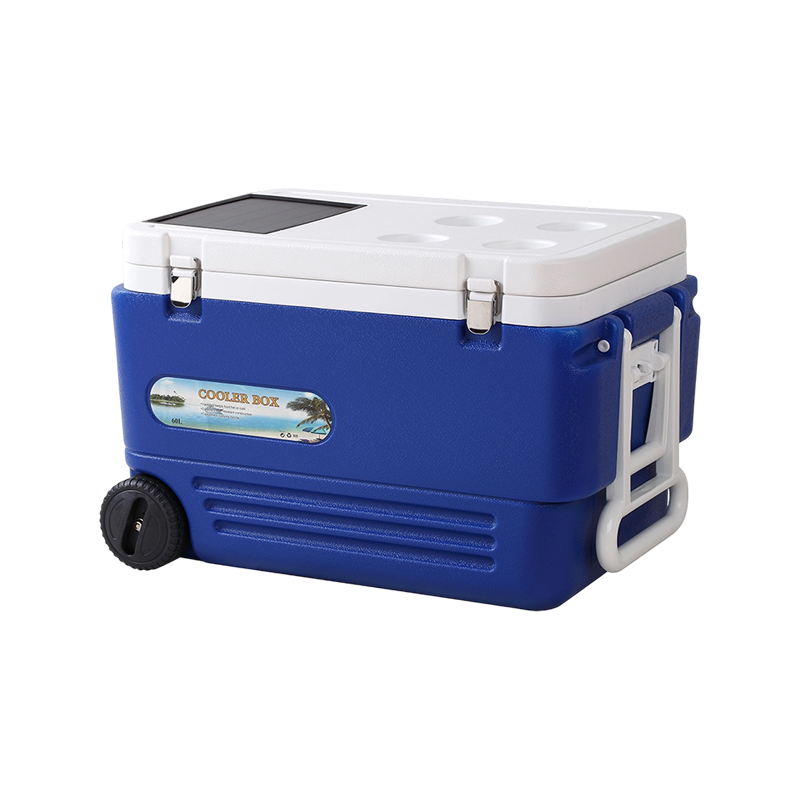
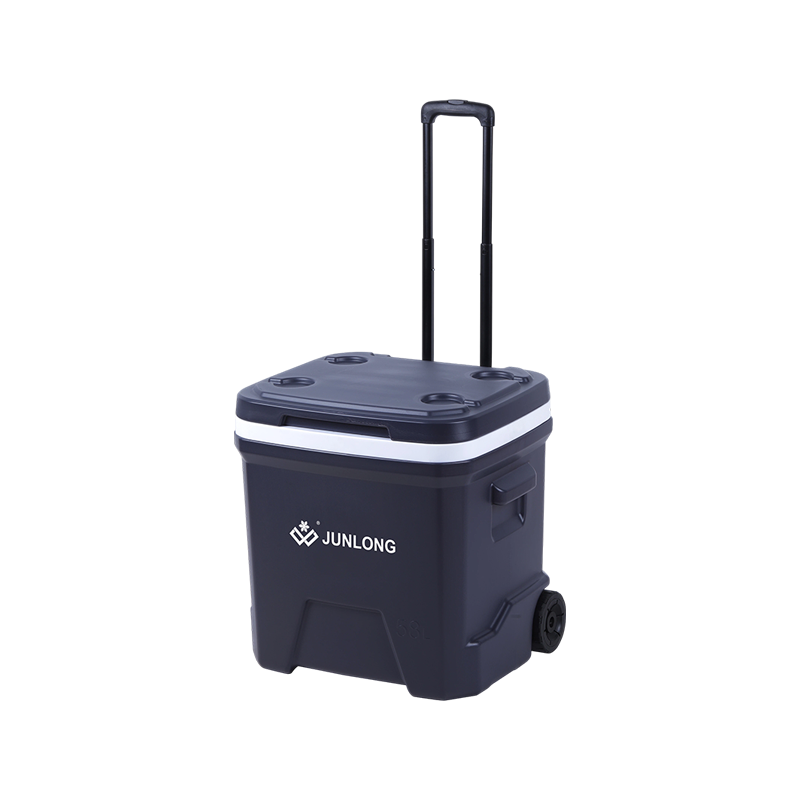 58L Wheeled Foam Insulated Cooler with Telescopic HandleA 58L wheeled cooler with telescopic handle, PU insulation up to 60 hours, drain valve and two-person lift grooves for large-group trips.View Product →
Packing Habits That Add a Full Day of Ice
- Chill the cooler for 8 to 12 hours before the trip. A bag of ice left inside overnight removes the heat stored in the walls.
- Put block ice or frozen bottles on the bottom, food in the middle, and cube ice on top so cold air falls through everything.
- Keep the box at least two thirds full. Fill the spare space with a towel or a second cold pack.
- Keep the cooler out of direct sun and off hot ground. A folded blanket underneath adds hours on a warm afternoon.
- Open it once per meal, not once per drink, and drain melt water daily.
What to Check Before You Buy
If you are buying one cooler for yourself, check these points in the store. If you are buying in volume for a shop or a brand, check them on a sample and then check them again on the production batch, because foam density and lid fit vary more between units than between models.
- Wall thickness at the sides, the base and the lid, measured in millimeters rather than described in words.
- Lid fit and latch tension after ten open and close cycles.
- Drain plug position and seal quality.
- Handle attachment points, and whether replacement parts are available.
- Material and food contact safety, especially for boxes used with drinks.
- Weight of the empty box, since a heavy shell reduces what you can actually carry.
It also helps to know the basic anatomy of a cooler box before comparing two models, because the shell, the foam layer and the liner do different jobs and are often described as one.
Common Questions from Campers
How much ice should I bring for a weekend?
Plan on about 2 kg of ice per person per day for a hard cooler kept in shade, and choose block ice where you can. Cubes melt faster because they have more surface area.
Is a wheeled cooler worth it for camping?
If the loaded weight passes 15 kg, yes. Wheels are often the difference between using the cooler and leaving it in the car. For solo trips of one or two nights, a lighter box with a strap is easier on uneven ground.
Hard cooler or soft bag?
A hard box with foam insulation holds ice longer and stacks better in a car. A soft bag squeezes into a full trunk more easily but usually keeps ice for a day at most.
Choose the capacity first, then the insulation, then the handles. A 26 liter box with a proper foam wall and a flat interior will beat a 40 liter box with a thin shell on almost every camping trip, and it will be easier to carry home at the end of it. If you are sourcing coolers for a shop, a rental fleet or your own brand, tell us your target capacity and we will match the wall thickness, the lid and the packaging to how the cooler will actually be used.
Product Recommendation
link
Office
- TEL: +86-574-63787606
- Phone: +86-13777994798
- E-mail: sales@nbjunlong.com
- WhatsApp: 13777967488
- Address: No. 1, Lane 3, Development Road, Longtouchang, Longshan Town, Cixi City, Zhejiang Province, China
Get In Touch
Copyright © Ningbo Junlong Outdoor Products Co., Ltd. All Rights Reserved.
China Plastic Insulated Cooler Box Manufacturer Custom Cooler Box Supplier
