- SMALL ORDERS FOR STANDARD ITEMS. Contact Now
- OUTDOOR COOLING SOLUTIONS, MADE IN‑HOUSE. Contact Now
- COOLER BOXES THAT FIT REAL OUTDOOR LIFE. Contact Now

 LANGUAGE
 日本語
日本語 Español
 عربى
عربى
Content
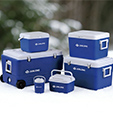
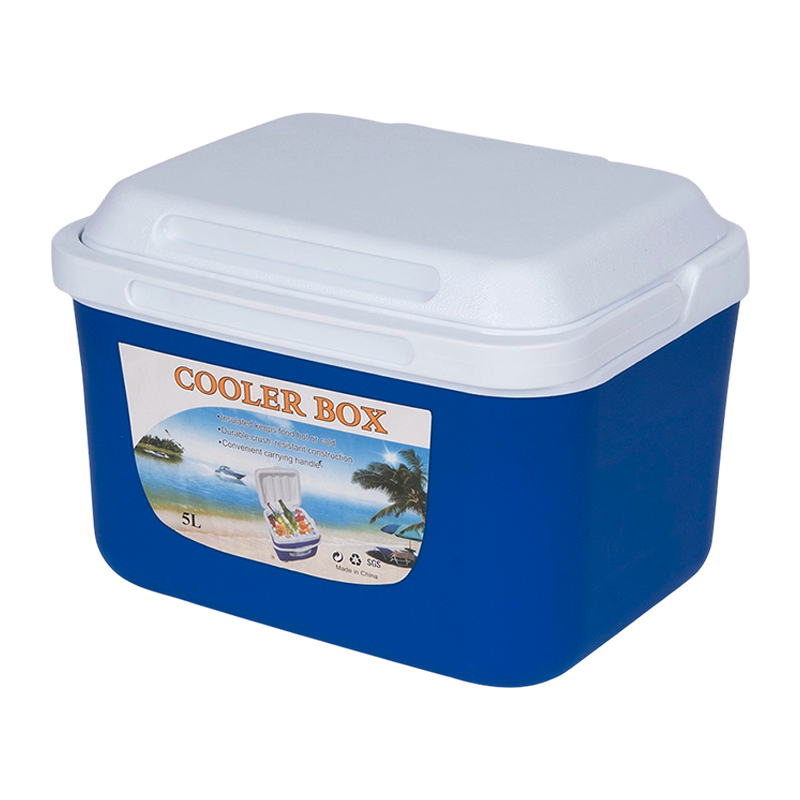
A Cooler Box is a portable, insulated container designed to slow the transfer of heat from the outside environment into its interior, keeping ice, food and beverages cold for hours or days without electricity. It works by combining a sealed outer shell, a layer of insulating foam and a tight fitting lid to trap cold air inside while blocking warm air from entering, and its performance is measured almost entirely by how long it can hold ice at a given ambient temperature. Industry testing on cooler construction shows just how much manufacturing method affects that performance: premium rotomolded cooler boxes with thick, injected polyurethane foam walls commonly retain ice for 5 to 10 days under real world conditions, while standard injection molded coolers of similar size typically hold ice for only 1 to 4 days under the same conditions.
How a Cooler Box Actually Keeps Things Cold
A cooler box does not generate cold, it slows the natural flow of heat into a space that has already been cooled with ice or cold packs. This is governed by the insulation's thermal resistance, commonly referred to as R value, which increases with insulation thickness and decreases with the thermal conductivity of the material used. Analysis published by cooler manufacturing engineers notes that polyurethane foam, the material used in most high performance coolers, has a thermal conductivity of roughly 0.022 to 0.028 watts per meter per Kelvin when fully cured, which is significantly lower than the thinner expanded foams found in budget coolers. Three factors determine how well any given cooler box performs in practice:
- The thickness of the insulation layer inside the walls and lid
- The density and uniformity of the insulation material, with fewer air gaps performing better
- The quality of the lid seal, since a loose gasket lets warm air infiltrate regardless of wall insulation quality
Rotomolded vs Injection Molded Construction
The single biggest factor separating cooler boxes in the market is how the shell itself is manufactured, since this determines how much insulation the walls can actually hold. Rotational molding, commonly called rotomolding, heats and rotates powdered plastic resin inside a hollow mold on two axes, producing a seamless shell with thick, uniform walls that leave room for high pressure polyurethane foam injection. Injection molding, by contrast, forces molten plastic into a mold under pressure, which is faster and cheaper but generally produces thinner walls with less room for insulation.
Construction Method Comparison
| Factor | Rotomolded Cooler Box | Injection Molded Cooler Box |
| Wall Thickness | Typically 50 to 75mm, up to 2 to 3 inches | Thinner, limited insulation cavity |
| Typical Ice Retention | 5 to 10 days, some premium models 7 to 14 days | 1 to 4 days |
| Durability | High, resistant to impact and cracking | Moderate, more prone to stress cracks |
| Typical Price Range | Higher, positioned for serious multi day use | Lower, suited to day trips and occasional use |
Insulation Materials That Determine Performance
Beyond the shell construction method, the insulation material packed inside the walls is what actually blocks heat transfer. Comparative product analysis of cooler features lists polyurethane foam as offering significantly better thermal performance and durability than standard expanded foam, which is why it is used almost exclusively in coolers marketed for extended outdoor use. Some manufacturers have also begun using foam blown with reduced global warming potential agents, giving comparable insulation performance with a smaller environmental footprint. At the high end of the market, vacuum insulation panels represent a newer technology option, reducing heat conductivity to as low as 0.004 to 0.020 watts per meter per Kelvin and pushing ice retention beyond ten days under optimal conditions, though at a substantially higher cost than foam based designs.
What Insulation Thickness Actually Buys You
Wall and lid thickness has a direct, measurable relationship to how long a cooler box performs. General guidance for buyers suggests roughly one day of ice retention per inch of insulation as a rough baseline, while more detailed testing found that increasing insulation thickness by just one inch can extend ice retention by up to 12 hours under controlled conditions. Premium rotomolded coolers commonly use around 2 to 3 inches of insulation on the side walls and up to 4 inches in the lid, since the lid is opened repeatedly and needs extra protection against the resulting heat exchange. A side by side test cited in cooler performance research found a rotomolded cooler box held ice for 8 days in a 90°F environment, compared with only 2 days for a standard plastic cooler box of similar size, which illustrates just how large the performance gap between construction types can be.
Beyond Insulation: Features That Affect Real World Use
Insulation quality determines how long a cooler box can hold ice in theory, but several other features determine how well it performs and holds up in actual use. Latches that apply consistent, even pressure across the lid keep the gasket seal tight even when the cooler is bumped, tilted or transported over rough terrain, while UV resistant shell materials prevent the plastic from becoming brittle or discolored after repeated sun exposure. For coolers used in remote or wilderness settings, some rotomolded models are built to meet bear resistant certification standards set by agencies overseeing wildlife safe food storage, reflecting how demanding the structural requirements can get for coolers used far from populated areas.
Choosing the Right Cooler Box for the Job
Not every use case needs the highest level of insulation available, and matching the cooler box to the trip length and conditions avoids overpaying for performance that will not be used. A short day trip or picnic generally performs fine with a lighter, lower cost design, while a multi day camping trip, offshore fishing expedition or commercial food service application benefits directly from the thicker walls and higher ice retention of a rotomolded Cooler Box.
- Match expected ice retention needs to your trip length, not just the cooler's advertised capacity
- Check gasket and latch quality, since a poor seal undermines even the best insulation
- Confirm wall and lid insulation thickness rather than relying on marketing claims alone
- Consider weight and portability alongside insulation, since thicker walls add bulk
- Use block ice rather than crushed ice for extended trips, since block ice melts more slowly due to its lower surface area
A cooler box is fundamentally a heat management tool, keeping contents cold by combining a durable outer shell, dense insulating foam and a tight lid seal to slow heat transfer from the environment. The difference between a basic day trip cooler and a serious rotomolded design comes down to wall thickness, insulation density and seal quality, with test data showing the better built option can outlast a standard cooler by several days under identical conditions. Whether the need is a weekend camping trip, an offshore fishing charter or reliable food and beverage storage for outdoor work, choosing a properly insulated Cooler Box matched to the length and conditions of the trip is what actually determines whether contents stay cold or start warming up halfway through.
Product Recommendation
link
Products
Office
- TEL: +86-574-63787606
- Phone: +86-13777994798
- E-mail: sales@nbjunlong.com
- WhatsApp: 13777967488
- Address: No. 1, Lane 3, Development Road, Longtouchang, Longshan Town, Cixi City, Zhejiang Province, China
Get In Touch
Copyright © Ningbo Junlong Outdoor Products Co., Ltd. All Rights Reserved.
China Plastic Insulated Cooler Box Manufacturer Custom Cooler Box Supplier
