

 LANGUAGE
 日本語
日本語 Español
 عربى
عربى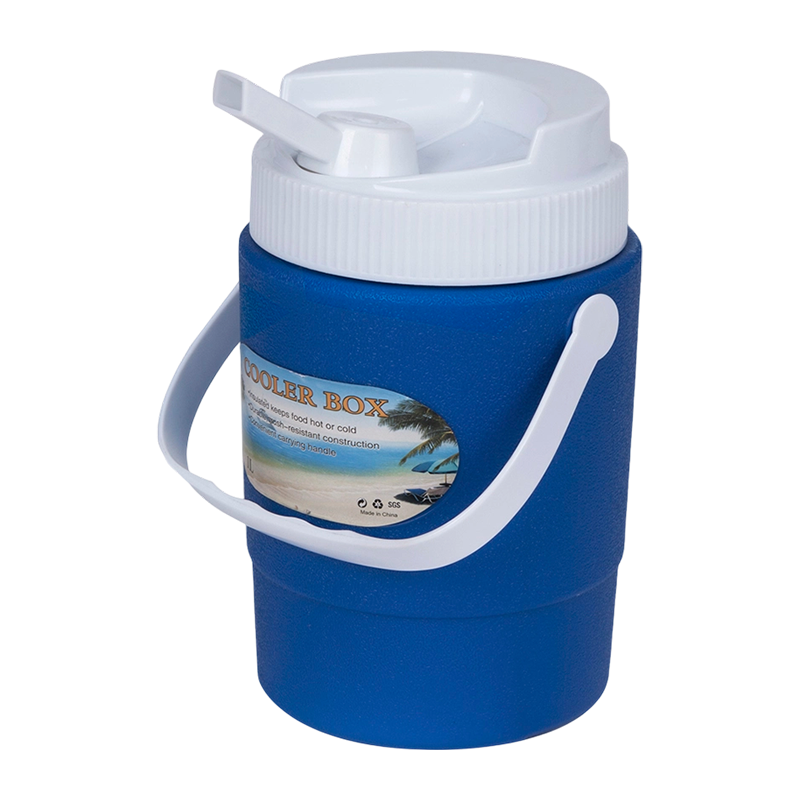






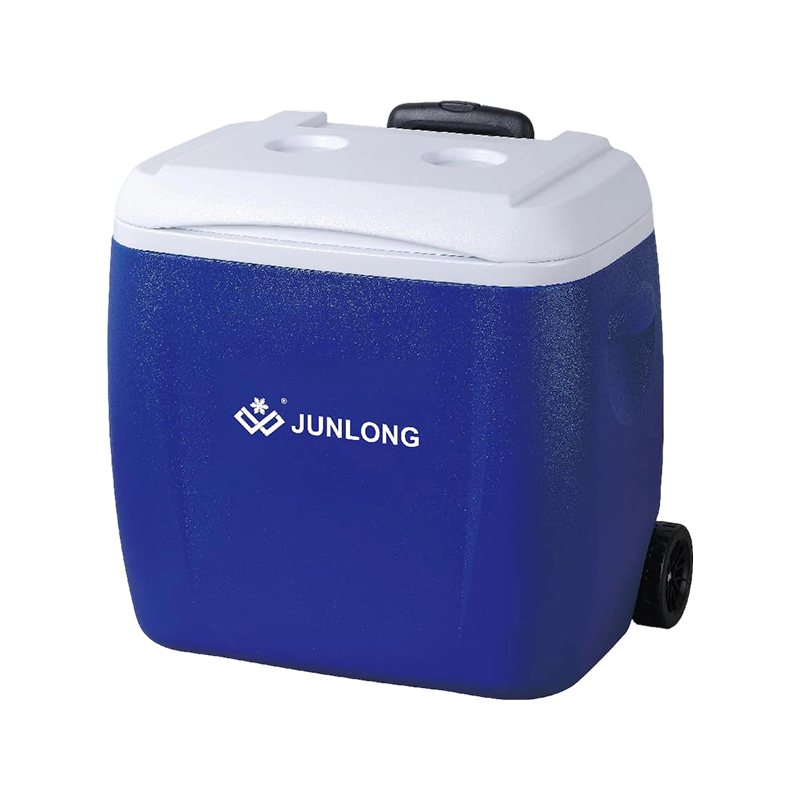
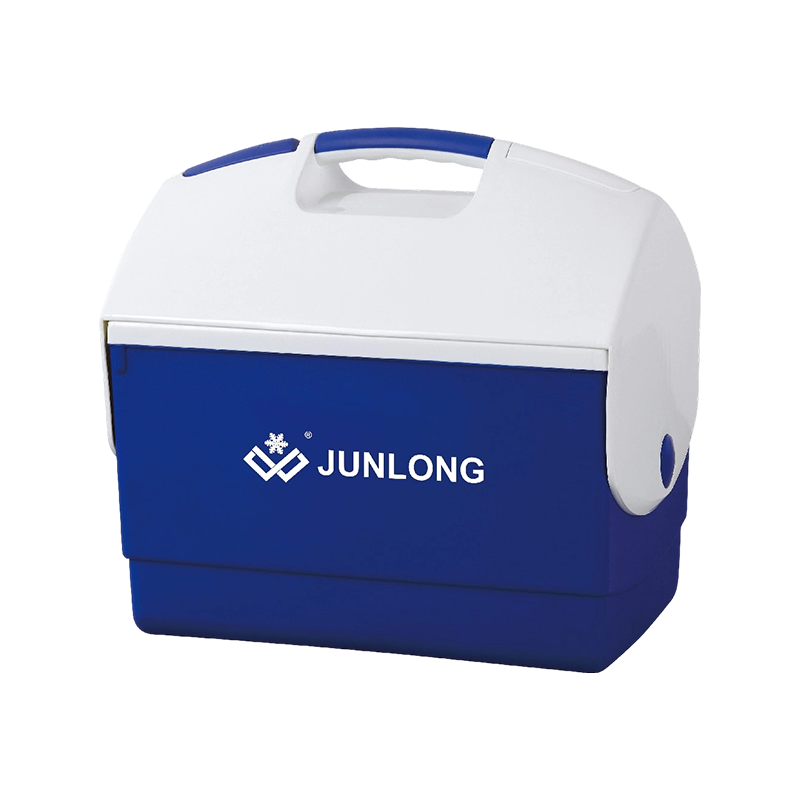
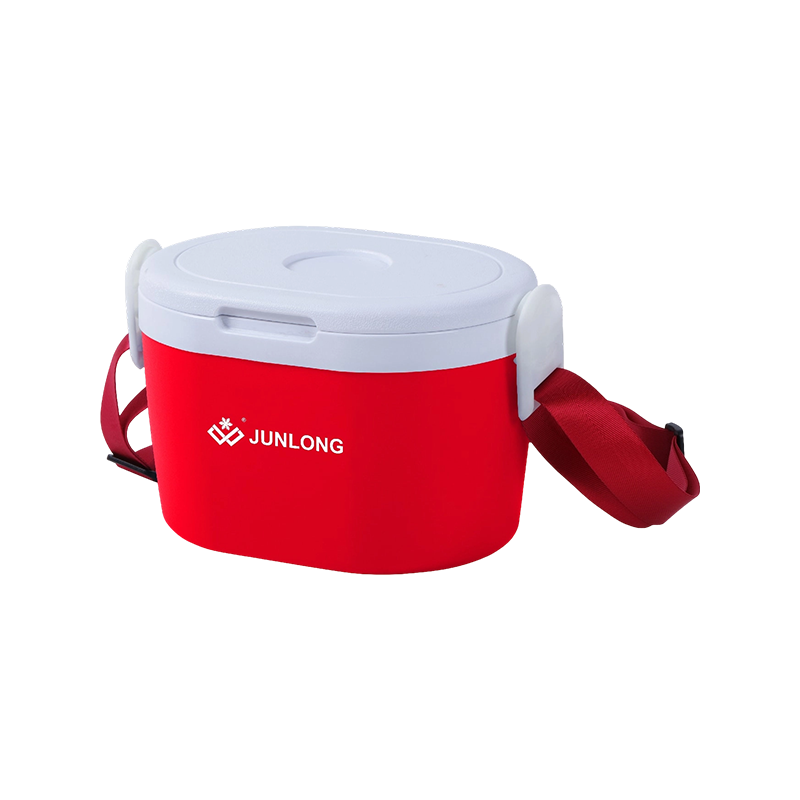
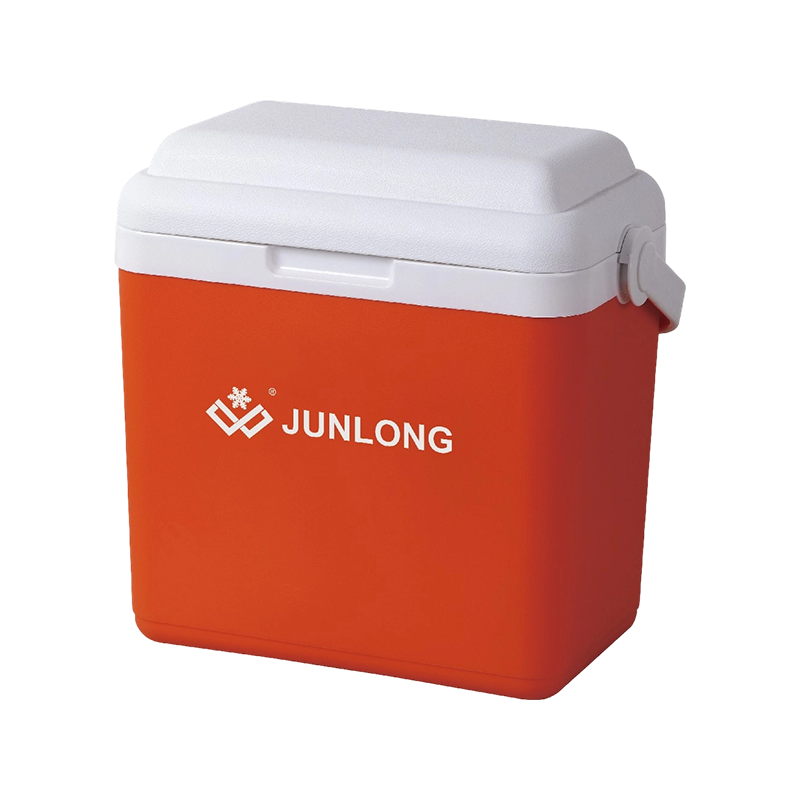
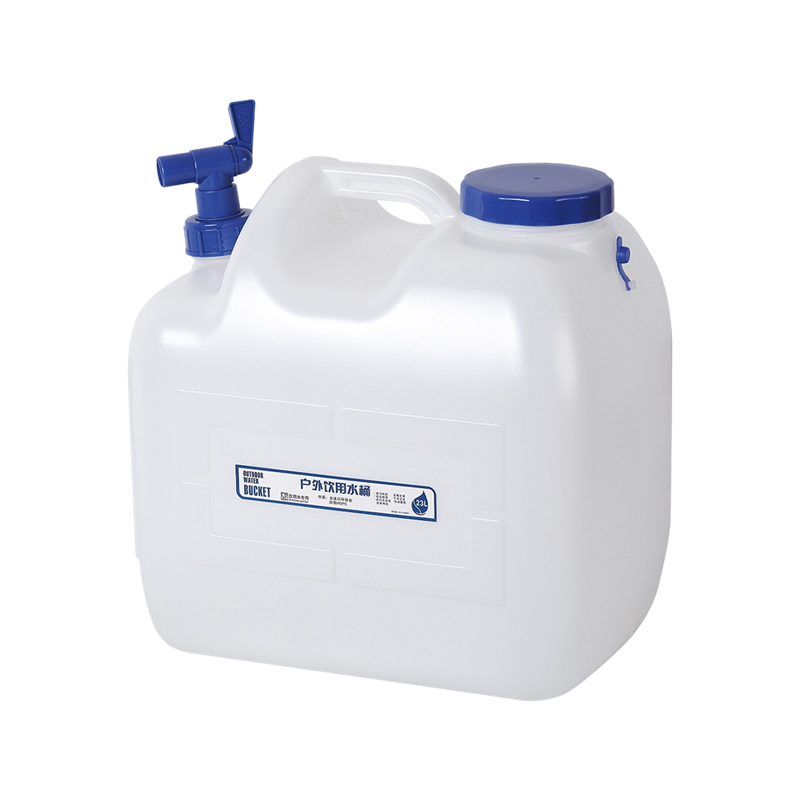
What a Cooler Jug Is Designed to Do
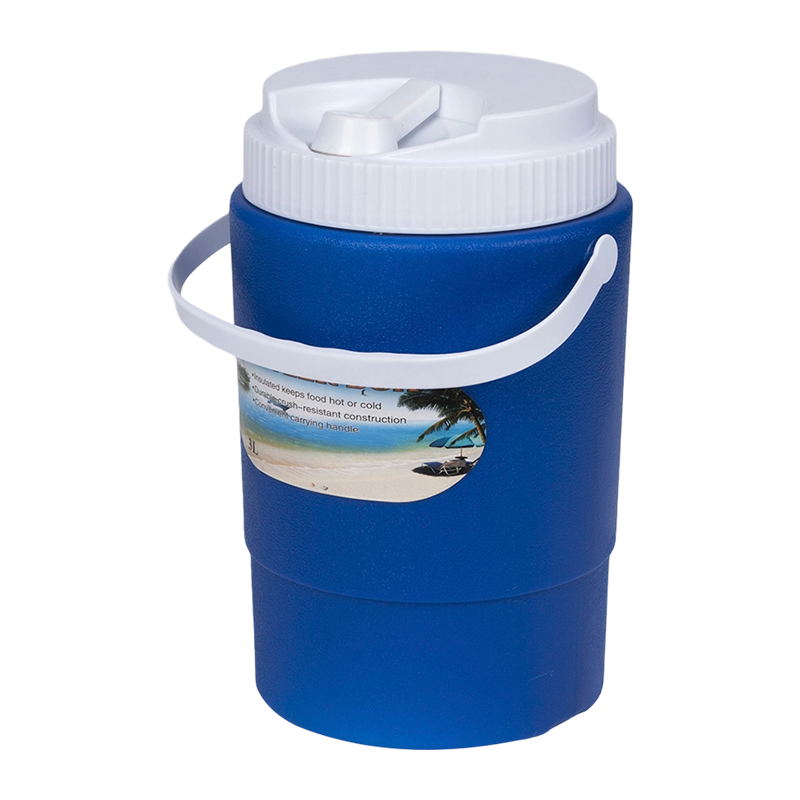
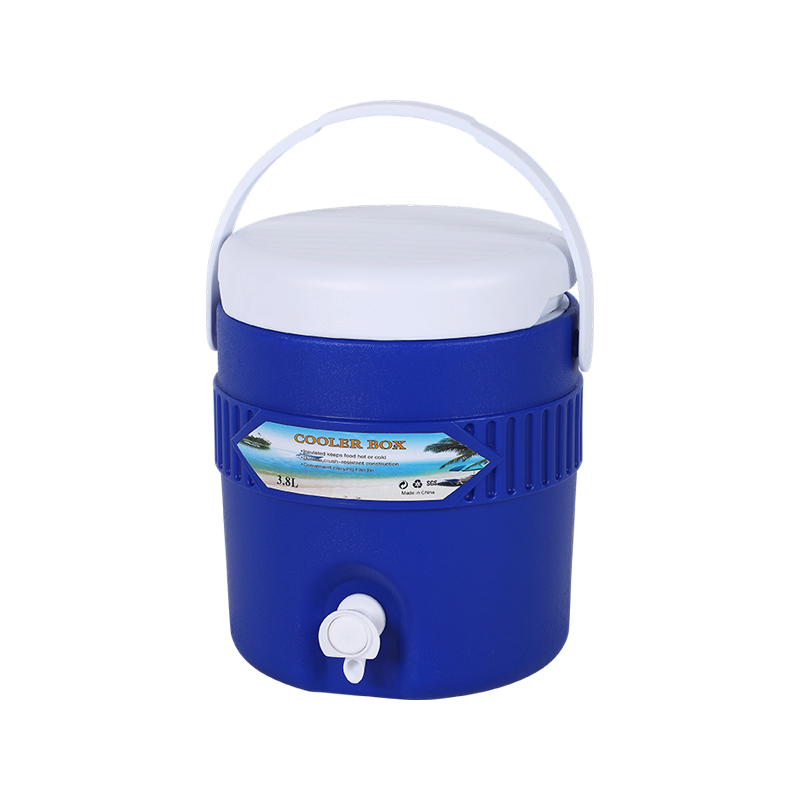
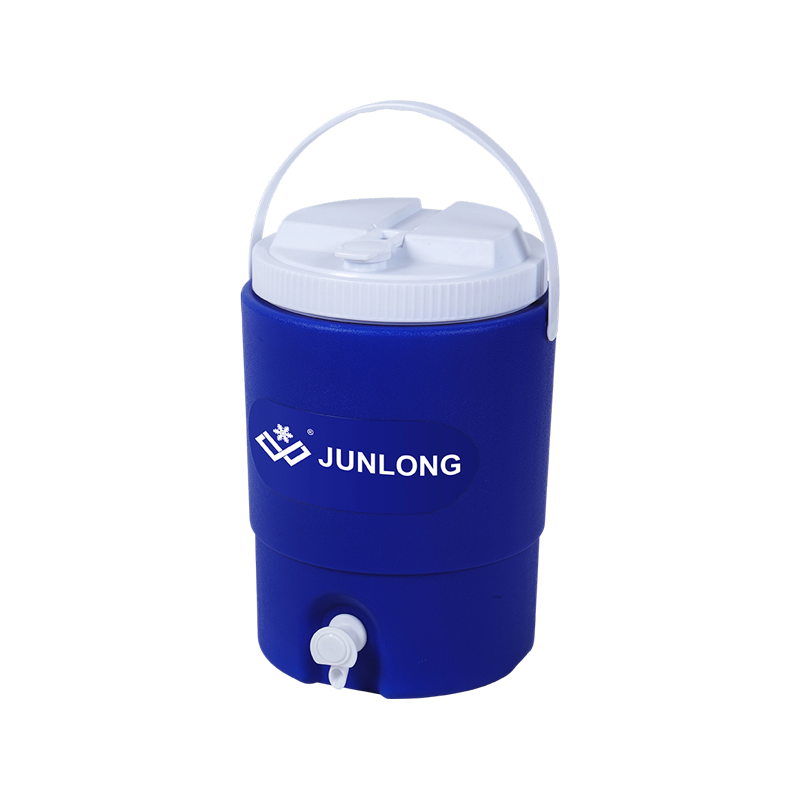
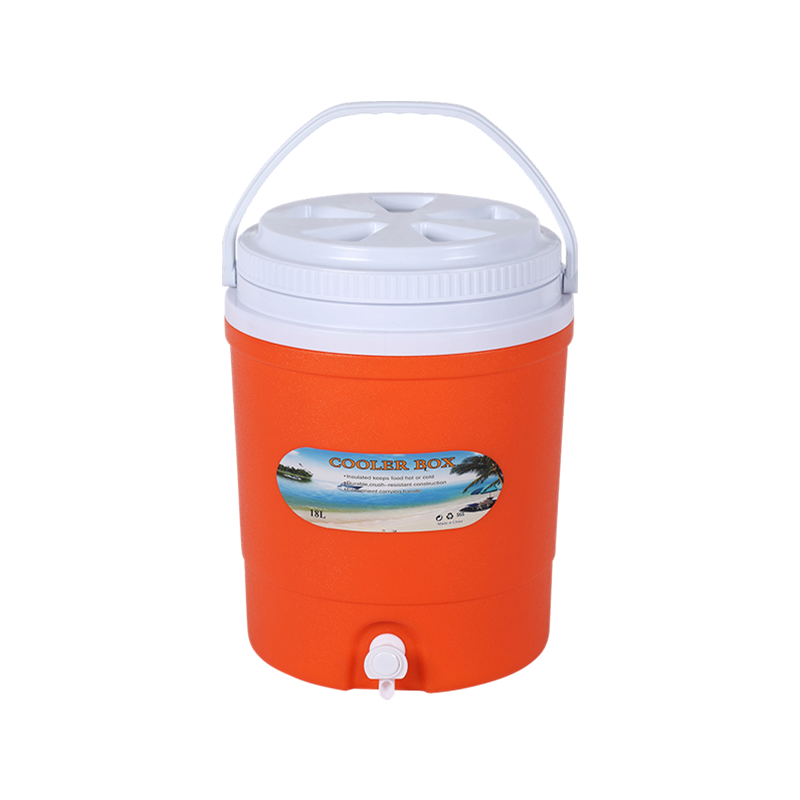
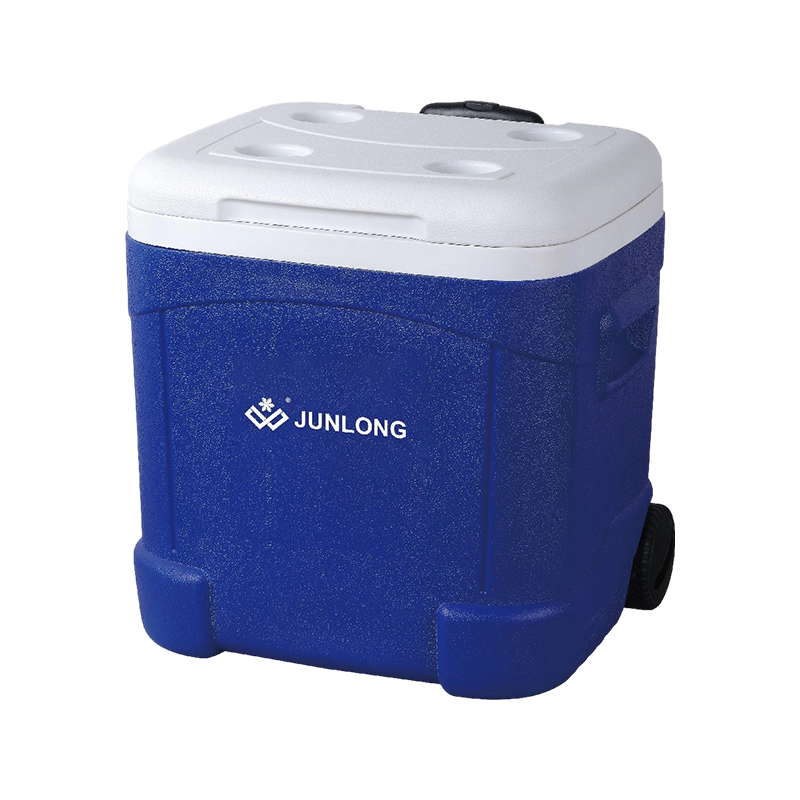
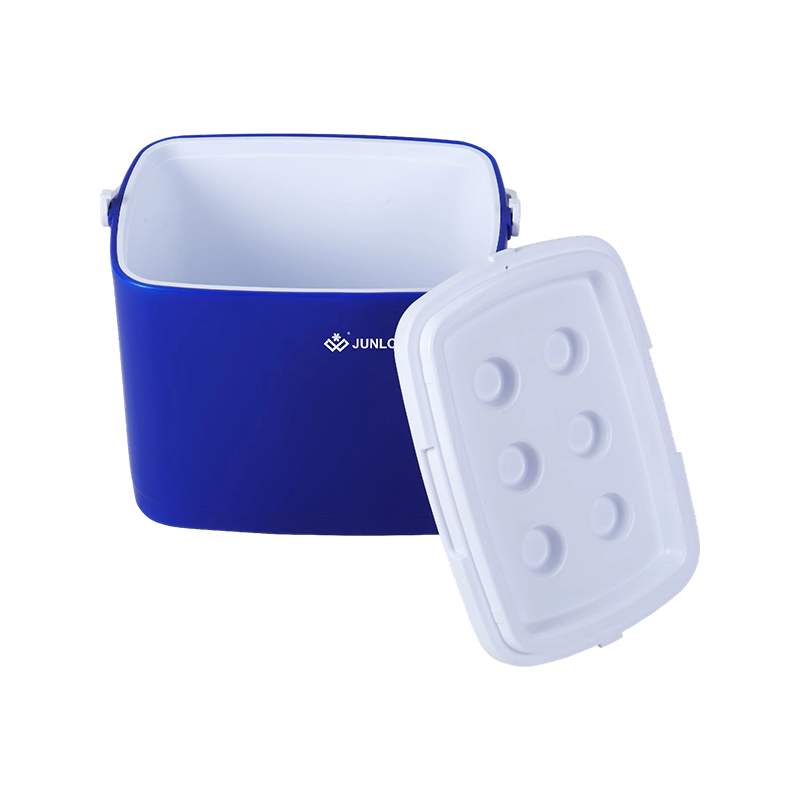
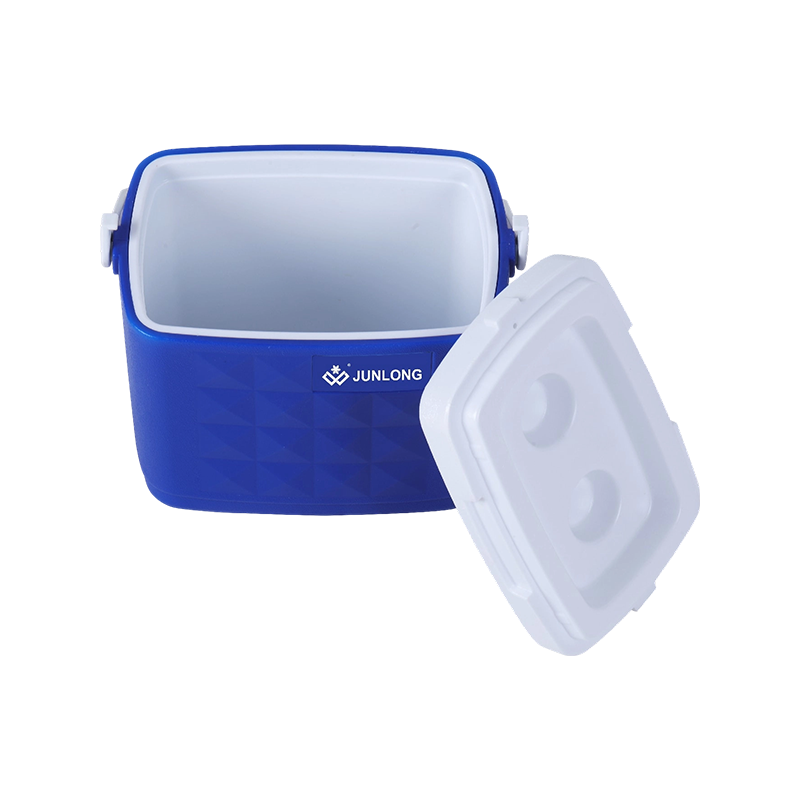
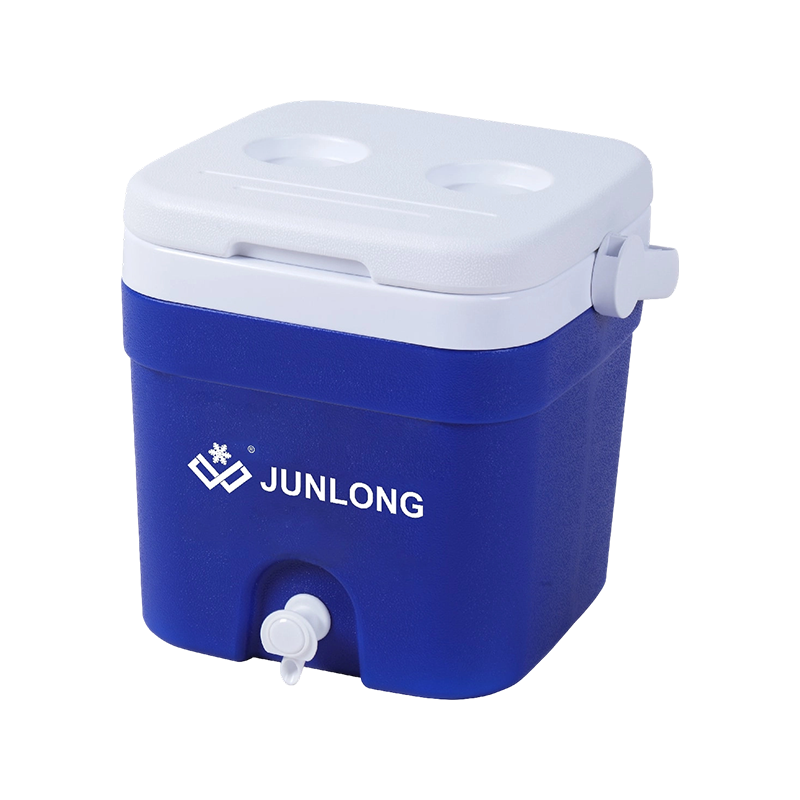
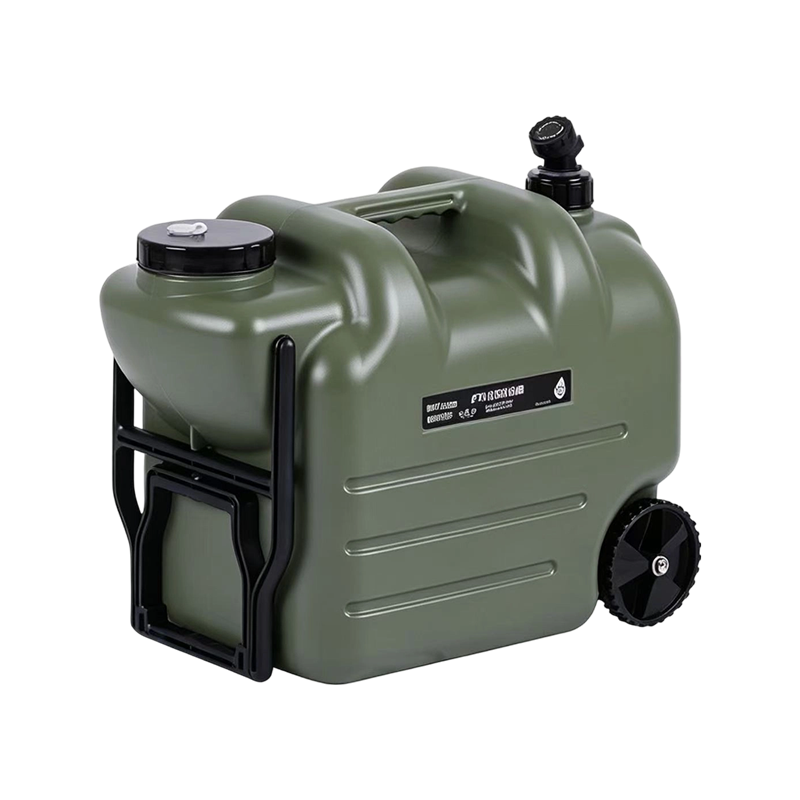
A Cooler Jug is a rugged, insulated water container built to hold a large volume of liquid at a stable temperature over extended periods away from a refrigerator, whether that means a full day at a job site, a multi-day camping trip, or a weekend spent on a boat or sports field. The direct answer for anyone comparing options is this: the units that perform best combine a thick-walled insulated body, a leak-resistant spigot or lid seal, and a stable base, and these three factors consistently explain the largest differences in ice retention and daily usability across the category. Buyers researching a Camping Water Cooler Jug or an Outdoor Sports Cooler Jug should treat wall construction and seal quality as the starting point for comparison rather than an afterthought.
This article walks through measured performance patterns across common configurations, practical selection guidance by use case, and a set of data visualizations built from typical field performance ranges, so that both individual buyers and companies sourcing an OEM Cooler Jug or placing a Cooler Jug Wholesale order can compare options on a consistent basis rather than relying on marketing claims alone.
Core Performance Metrics Across Cooler Jug Configurations
Five metrics matter most when comparing cooler jug configurations: ice retention, impact resistance, portability, capacity efficiency, and build durability. The horizontal bar chart below scores two common configurations against these metrics on a 0-100 index built from typical field performance ranges: a rotomolded double-wall Cooler Jug and a standard single-wall insulated jug. The rotomolded configuration scores highest on ice retention and build durability, since its thicker foam-insulated wall slows heat transfer more effectively, while the standard single-wall jug remains competitive on portability, since its lighter shell makes it easier to carry when filled at a lower volume.
This comparison shows that the rotomolded configuration extends its advantage mainly in ice retention and durability, which explains why it tends to be favored for extended outdoor trips and heavier daily use. Buyers weighing portability against thermal performance should treat this trade-off as expected rather than a flaw in either design, since lighter shells naturally insulate less than thicker foam-core walls. Facilities placing a larger Cooler Jug Wholesale order often standardize on the rotomolded configuration precisely because durability and consistent ice retention matter more across repeated outdoor use than shaving a small amount of weight.
Ice Retention Across Extended Outdoor Hours
A key indicator of cooler jug quality is how much ice remains inside the container as hours pass in outdoor ambient conditions. The line chart below tracks remaining ice percentage across five time stages, from an early 6 hours up to 48 hours, in a typical outdoor daytime setting. A gradual, controlled decline is expected as ambient heat slowly transfers through the insulated wall, but the curve should stay smooth rather than dropping sharply at any single stage, since a sudden drop would point to a seal or insulation defect rather than routine thermal loss.
Remaining ice declines from roughly 97% at 6 hours to about 78% at 48 hours in this typical outdoor pattern, a gradual curve that stays within a comfortable range for most single-trip or multi-day uses. This kind of predictable thermal decline is exactly why wall thickness and seal quality matter so much: a well-built Cooler Jug loses stored cold gradually and evenly, rather than dropping off unpredictably partway through a trip. Anyone planning an extended trip should factor in ambient temperature and how often the lid is opened, since both influence how closely actual results track this typical curve.
Where Cooler Jugs Are Commonly Used
The application spread of cooler jugs reflects the range of settings where a large, stable, insulated water supply is needed away from a fixed water source. The vertical bar chart below shows a representative usage breakdown across common categories, based on aggregated field usage patterns. Camping and outdoor recreation lead the distribution, followed by organized outdoor sports events, food and beverage service, and bulk distribution through OEM and wholesale channels.
Camping accounts for roughly 37% of typical deployment, reflecting how central a reliable Camping Water Cooler Jug is to multi-day trips where refrigeration is unavailable. Outdoor sports applications follow closely, since an Outdoor Sports Cooler Jug needs to keep a team or event hydrated through long hours in direct sun. The OEM and wholesale share, while smaller as a single category, represents businesses that place recurring bulk orders to supply their own branded product lines or distribution networks.
Rotomolded Construction Versus Blow-Molded Construction
A radar chart helps visualize the trade-off between a double-wall rotomolded Cooler Jug and a single-wall blow-molded jug across multiple dimensions at once. The chart below compares both across insulation performance, impact resistance, weight efficiency, cost efficiency, and customization flexibility for buyers sourcing an OEM Cooler Jug. The rotomolded construction extends further on insulation performance and impact resistance, since its thicker foam-filled wall resists both heat transfer and physical impact, while the blow-molded jug extends further on weight efficiency, since its thinner shell keeps the empty container lighter to transport.
Neither shape covers every dimension, reinforcing why the choice between constructions should be driven by intended use rather than assuming one type is universally better. Buyers focused on multi-day outdoor durability tend to favor rotomolded construction, while businesses prioritizing lightweight shipping for a large Cooler Jug Wholesale order may lean toward the blow-molded option depending on their distribution needs. Reviewing this trade-off alongside expected usage conditions helps avoid mismatched expectations after purchase.
Practical Selection Guidance by Use Case
Choosing the right cooler jug starts with identifying expected trip length, terrain, and how the container will be handled and refilled. The table below summarizes practical guidance across common scenarios.
Scenario-Based Selection Reference
| Use Case | Suitable Configuration | Reason |
|---|---|---|
| Multi-day camping trips | Rotomolded Camping Water Cooler Jug | Longer ice retention over extended hours |
| Team hydration at outdoor events | Outdoor Sports Cooler Jug with spigot | Quick, controlled dispensing for groups |
| Branded retail or private label programs | OEM Cooler Jug with custom finish | Configurable branding and packaging options |
| Recurring bulk distribution | Cooler Jug Wholesale program | Standardized units support consistent inventory planning |
Before placing a cooler jug into regular outdoor or commercial use, a few additional checks help support consistent performance:
- Confirm the lid seal and spigot gasket sit flush with no visible gaps before first use.
- Pre-chill the empty container briefly before loading ice to reduce initial thermal load.
- Check handle and base stability when the container is filled to its rated capacity.
- Inspect the outer shell for stress marks after transport over rough terrain.
- Clean and fully dry the interior between trips to maintain consistent water quality.
Manufacturing Consistency Behind Dependable Cooler Jug Performance
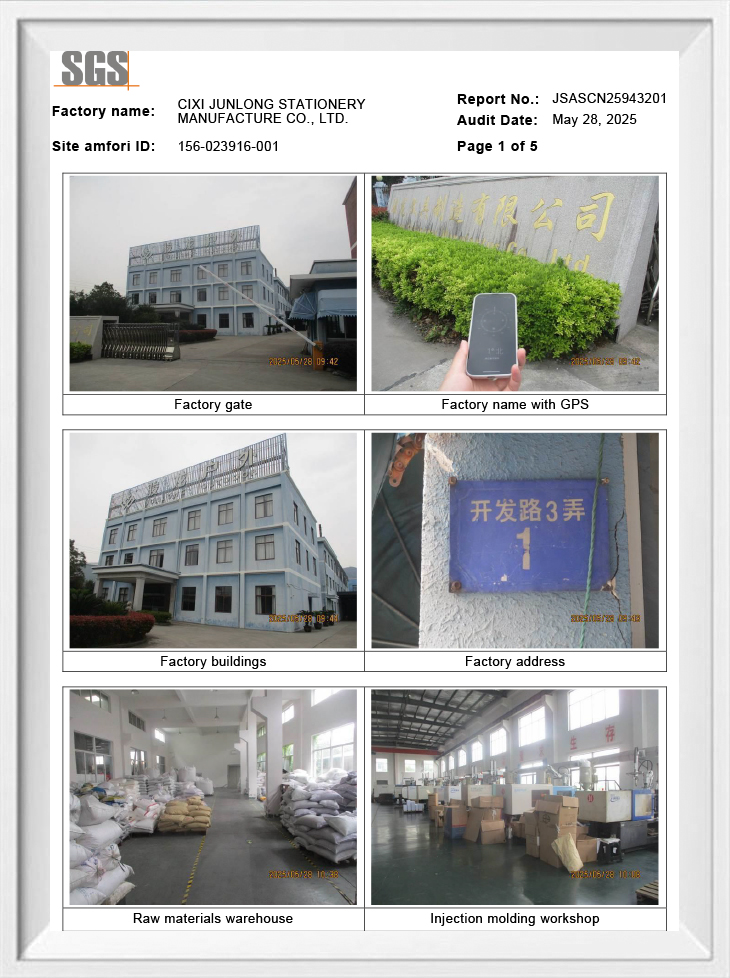
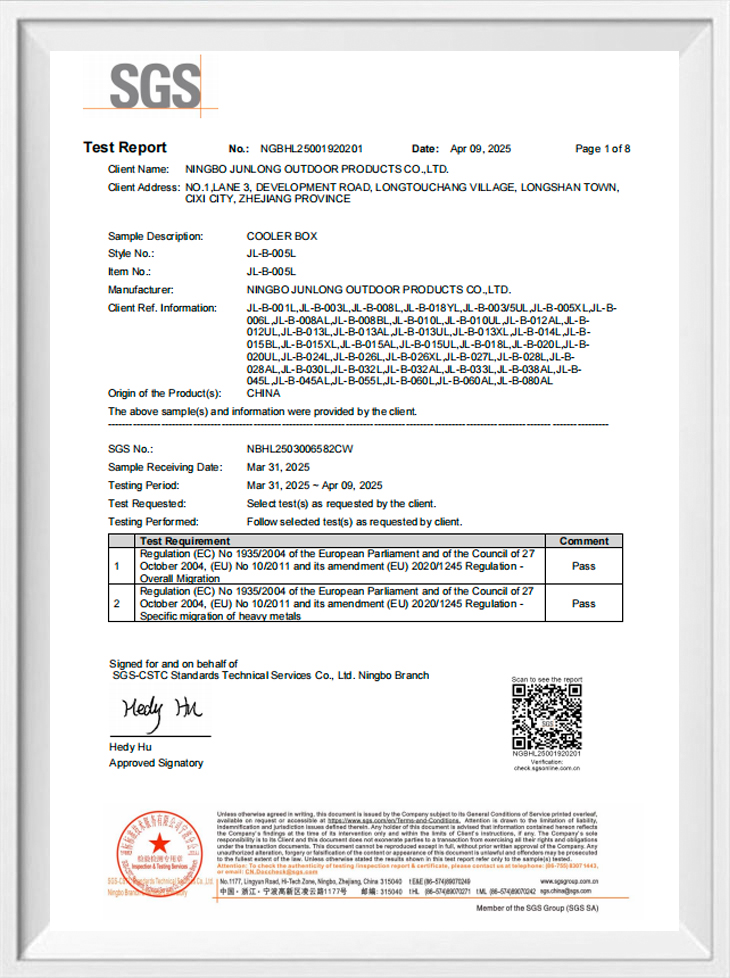
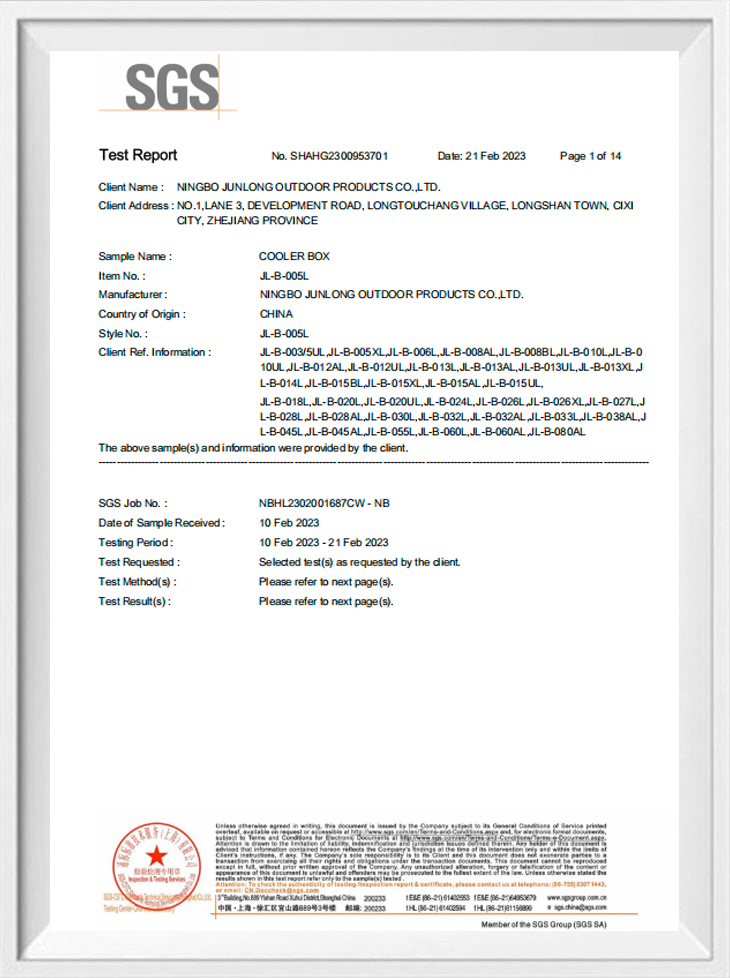
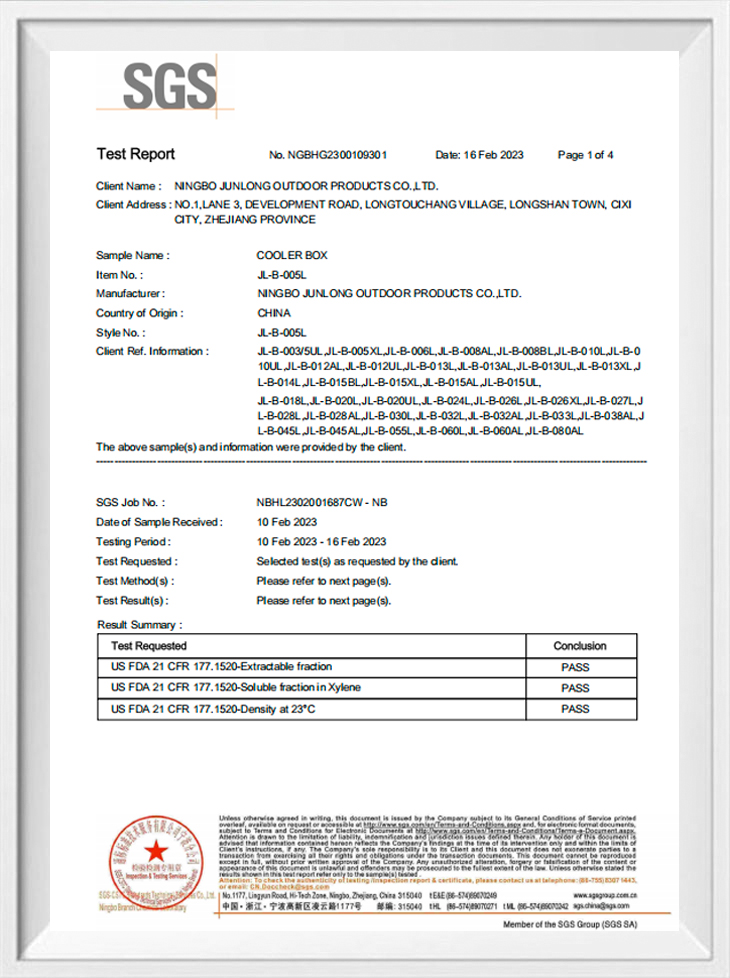
The predictable ice retention curve discussed earlier depends on consistent manufacturing of the jug's wall thickness, foam fill density, and seal fitting. Variation in wall thickness or foam density can shift both insulation performance and how evenly the container holds temperature once loaded, which is why tight process control matters throughout production. Automated molding and in-process quality checks help keep a Cooler Jug performing within a consistent range across its service life, supporting the field patterns referenced throughout this article.
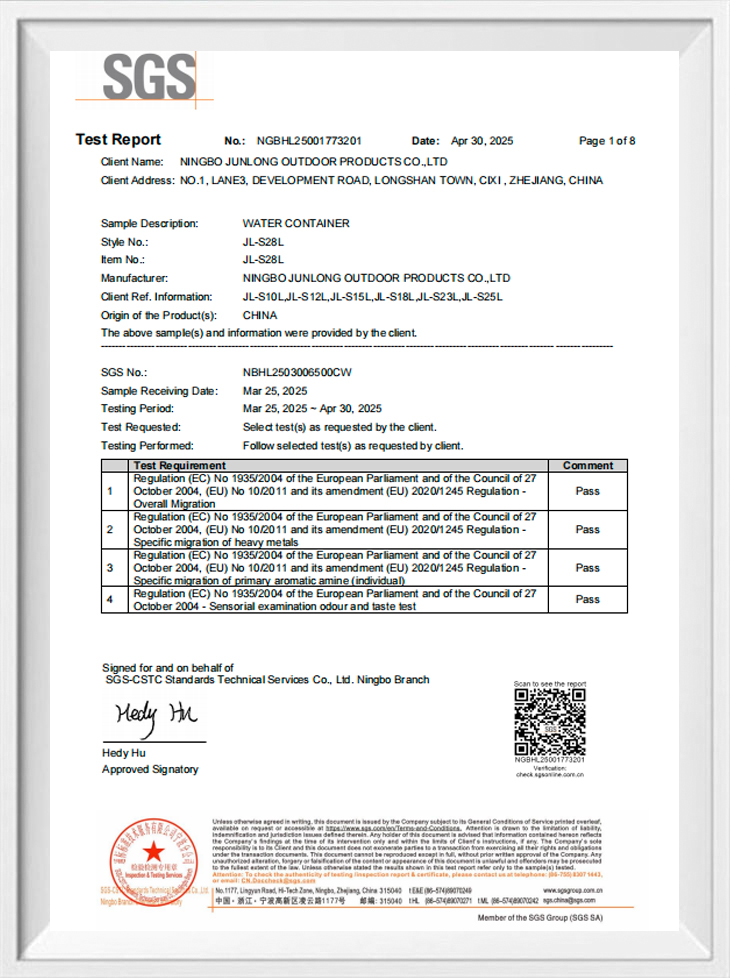
Standard quality checkpoints such as seal pressure testing, wall thickness sampling, and drop testing support the performance trends shown earlier. For businesses sourcing an OEM Cooler Jug or evaluating a Cooler Jug Wholesale supplier, confirming these quality checkpoints directly with the manufacturer is often as valuable as reviewing published specifications alone.
About Ningbo Junlong Outdoor Products Co., Ltd.
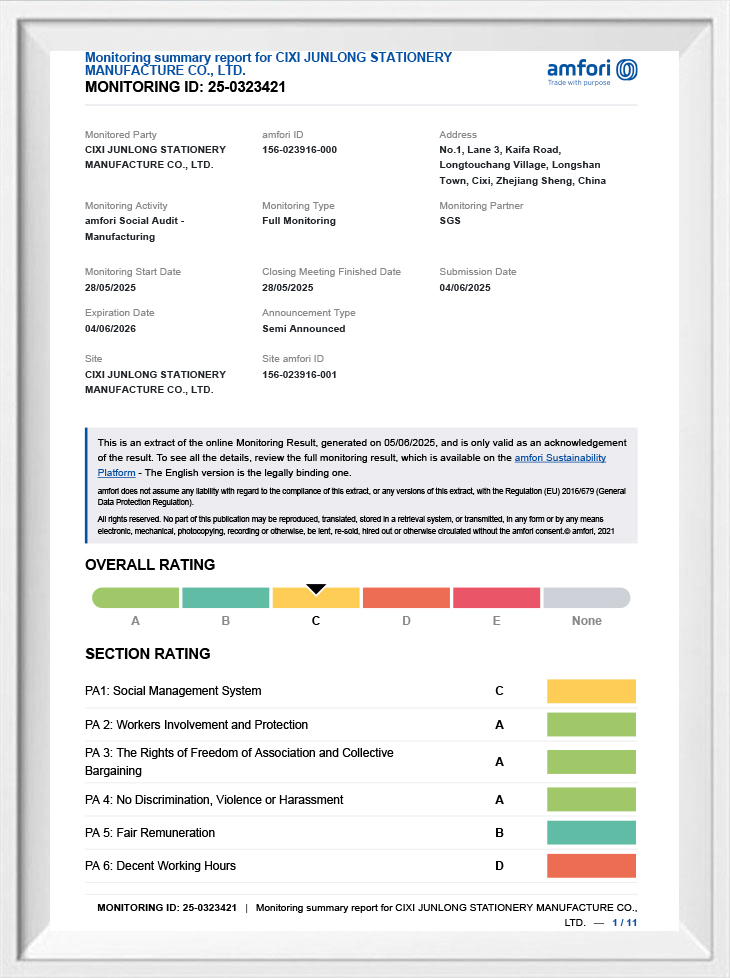
Ningbo Junlong Outdoor Products Co., Ltd. was founded in 2000 and is located in Cixi, Ningbo, an important manufacturing hub in the Yangtze River Delta with convenient transportation and a well-developed industrial supply chain. The company is a manufacturing enterprise integrating product development, production, and sales, with a focus on outdoor cooling and water storage products across camping, outdoor sports, and commercial use.
This combination of location, supply chain access, and in-house production capability supports the company's ability to serve buyers seeking a reliable Cooler Jug, whether for individual outdoor use, branded OEM Cooler Jug programs, or recurring Cooler Jug Wholesale distribution needs.
Frequently Asked Questions
Q1: How long can a Cooler Jug typically keep ice before it fully melts?
A1: Ice retention depends on wall thickness, ambient temperature, and how often the lid is opened, though a well-insulated unit typically retains a meaningful share of its ice well beyond a single day of outdoor use.
Q2: What is the difference between a Camping Water Cooler Jug and a standard water jug?
A2: A camping-oriented cooler jug generally features thicker insulated walls, a more secure lid seal, and a sturdier base built to handle repeated outdoor transport, compared to a lighter, uninsulated water jug.
Q3: Can a Cooler Jug be customized for an OEM branding program?
A3: Yes, an OEM Cooler Jug program typically allows adjustments to finish, labeling, and packaging so the container can align with a company's own branding requirements.
Q4: What should a buyer check before placing a Cooler Jug Wholesale order?
A4: It helps to confirm wall construction, seal quality, available capacity options, and the manufacturer's quality checkpoints, since these factors most directly affect consistency across a bulk order.
