- SMALL ORDERS FOR STANDARD ITEMS. Contact Now
- OUTDOOR COOLING SOLUTIONS, MADE IN‑HOUSE. Contact Now
- COOLER BOXES THAT FIT REAL OUTDOOR LIFE. Contact Now

 LANGUAGE
 日本語
 Español
 عربى

Industry News
Best Freezer Packs for Coolers: Match Ice Packs to Cooler Size and Trip Length
Content
- 1 What Actually Decides Whether a Freezer Pack Works
- 2 Freezer Pack Types and Where Each One Wins
- 3 Matching Pack Volume to Cooler Capacity
- 4 Fit and Clearance: Measure Before You Buy
- 5 Freeze Time and the Recharge Cycle
- 6 Food Contact, Leaks and Durability
- 7 Buying Packs for a Cooler Program or a Private Label
- 8 Common Mistakes That Cut Cold Hold Time
A 45 L cooler packed at 8 a.m. with drinks and one thin gel pack will not be cold at 6 p.m. That is not a cooler problem. It is a cold source problem.
The best freezer packs for coolers are not the largest ones you can buy. They are the packs that match three things: the interior footprint of your cooler, the hours you actually need, and how quickly you can re-freeze them between trips. Match those three and a mid-range pack outperforms an oversized one every time. Miss them and you will be pouring meltwater out before lunch.
The guidance below covers pack types, volume targets by cooler size, fit and clearance, and the recharge cycle, so the decision still holds up in real use rather than only on a specification sheet.
What Actually Decides Whether a Freezer Pack Works
Five factors separate a pack that holds temperature from one that gives up in two hours.
- Contact area. A pack must sit flat against the cooler floor or wall. A pack touching only at the corners transfers very little cold.
- Thermal mass. More frozen material means a longer hold, but only up to the point where the lid still closes properly.
- Shape retention. Rigid packs keep a flat face for stacking. Soft packs conform to contents, which helps in soft-sided coolers but makes stacking less stable.
- Seal integrity. One leak ruins the food and the cooler. Look for a continuous welded seam rather than a folded edge.
- Recharge speed. A pack that needs a full day to freeze again is a problem for anyone rotating packs on back-to-back trips.
Freezer Pack Types and Where Each One Wins
Gel, water and panel packs behave differently once the cooler is closed. The differences matter more than the label on the packaging.
| Pack type | Typical re-freeze time | Best suited to | Main risk |
|---|---|---|---|
| Rigid hard gel pack | 8 to 12 hours | Hard coolers with flat floors and full day trips | Takes up usable space and can crack if dropped frozen |
| Soft gel pack | 6 to 10 hours | Soft coolers, lunch bags and narrow gaps | Punctures and poor shape retention when warm |
| Frozen water bottle | 10 to 16 hours | Cooler jugs and drink coolers where the pack doubles as a drink | Slush leaks into food if the cap is not tight |
| Thin panel or sheet pack | 4 to 8 hours | Lining the walls and lid of small coolers | Thaws quickly and adds little thermal mass |
For most buyers, a mix works better than a single type: two rigid packs for the base, one panel pack against the lid, and a frozen bottle tucked into the drinks.
Matching Pack Volume to Cooler Capacity
A reliable starting rule is that frozen packs should fill roughly one quarter to one third of the cooler interior volume. Below that, the cooler spends its stored cold on warming air every time the lid opens.
| Cooler capacity | Frozen pack volume | Practical pack format | Typical trip length |
|---|---|---|---|
| 5 L to 13 L | 1.5 L to 3 L | 2 to 3 soft packs of 400 g to 800 g | Half day, 6 to 8 hours |
| 15 L to 38 L | 4 L to 9 L | 3 to 5 hard packs plus one block | Full day, 12 to 24 hours |
| 45 L to 80 L | 12 L to 20 L | 4 to 6 large packs, or 2 blocks with panel packs | Overnight and multi day use |
Small coolers are the easiest place to overshoot. Filling a 12 L box three quarters with packs leaves no room for food, and the cold source stops being useful. A small cooler with a moulded slot for a single pack is a cleaner solution because the pack position is fixed and the packing space stays predictable.
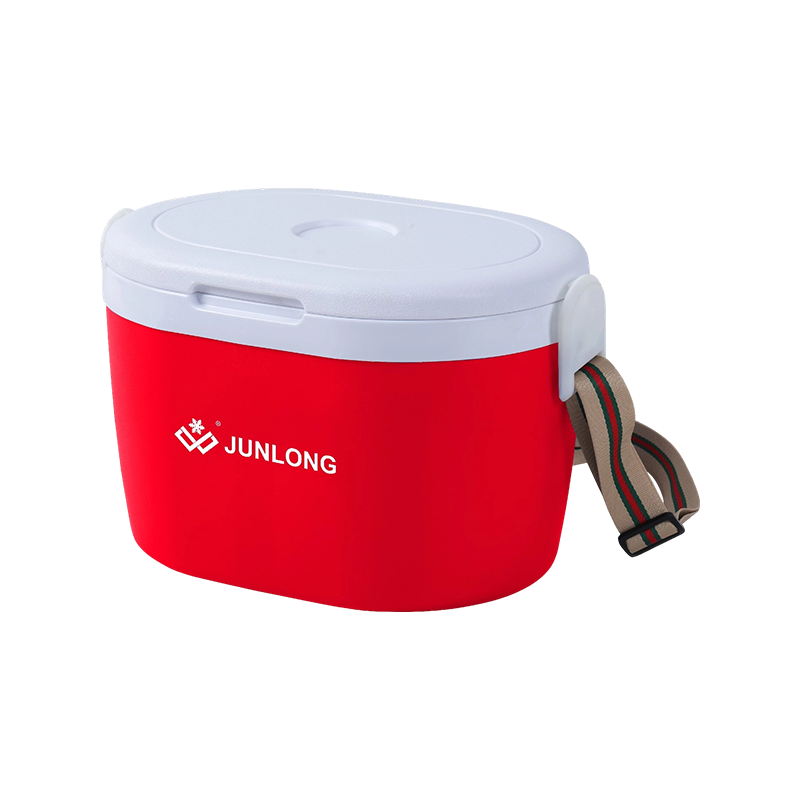
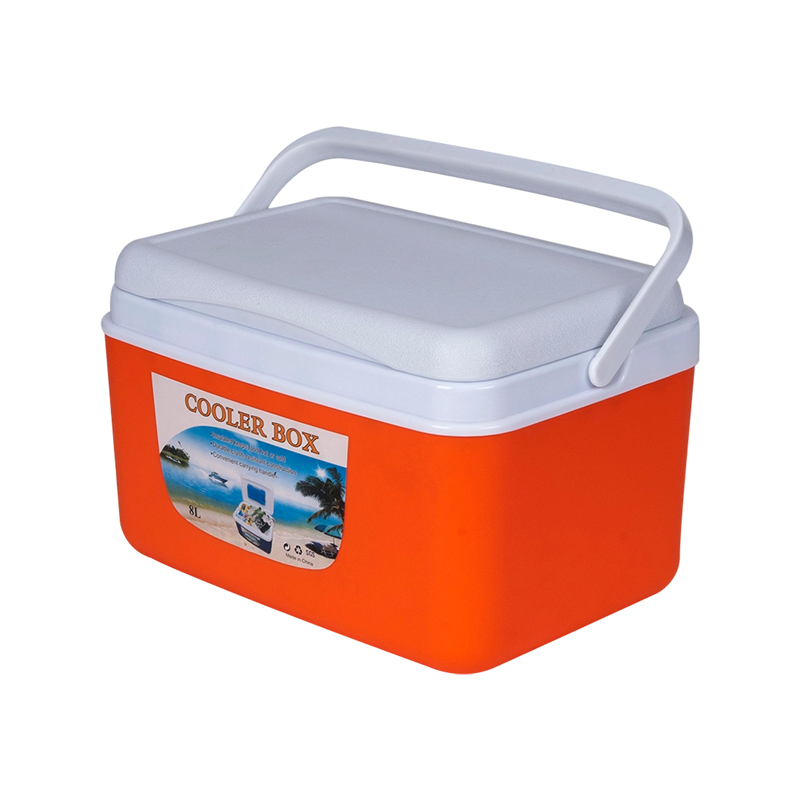 8L Portable Cooler Box with Lid Ice PackCompact 8 L cooler with lid-stored ice pack, 36-hour EPS insulation, and predictable packing space for day trips and small outings.View Product →
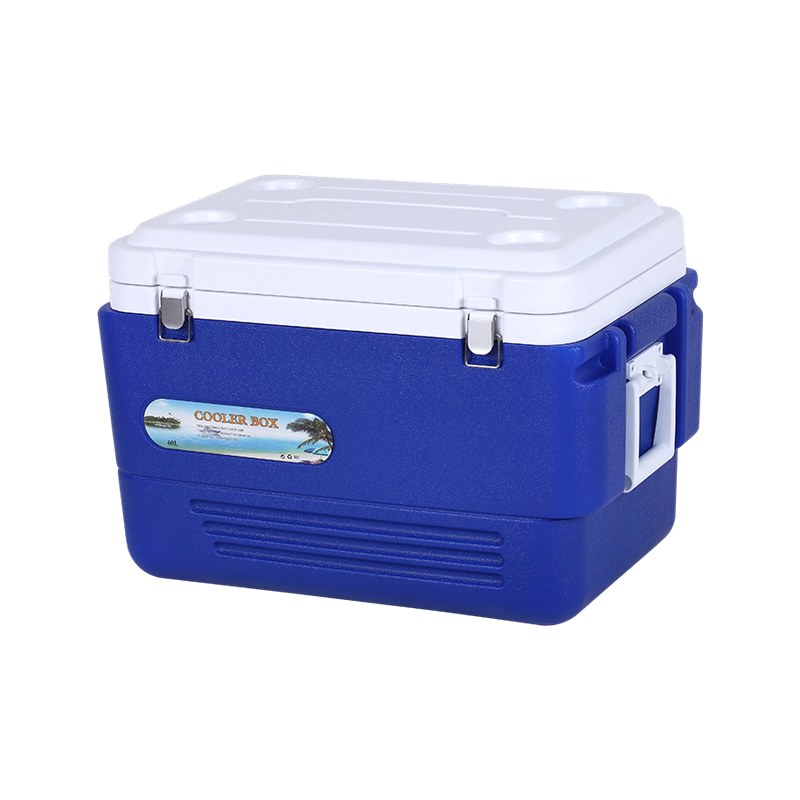
Large coolers fail the other way. Owners often add six small packs spread across the floor and wonder why the middle of the load is warm. In a 60 L class box, two or three large blocks plus one or two panel packs on the walls hold the cold line far longer than the same mass in small pieces.
Fit and Clearance: Measure Before You Buy
Measure the interior floor length and width, then the height from floor to the underside of the lid, and subtract at least 20 mm of clearance. Packs that press against the lid gasket break the seal line, and a broken seal costs more cold than the pack adds. Also check the interior drain channel and the base ribs; a pack bridging the ribs will rock, and rocking packs crack along the seam.
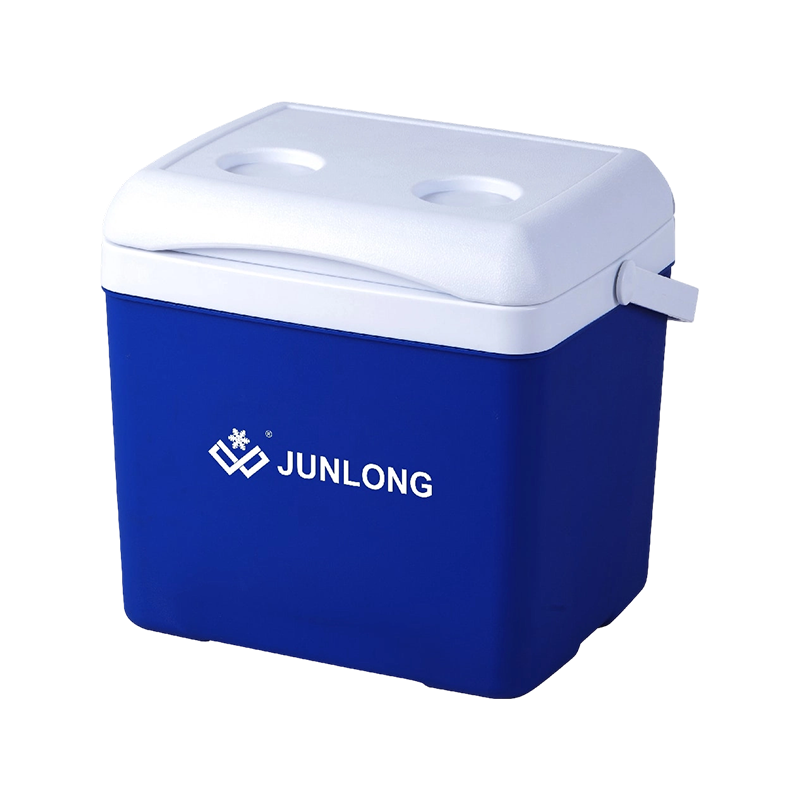 JUNLONG 15L Portable Cooler with Ice Pack Slots and Cup HolderA 15 L food-grade cooler with moulded ice pack slots, cup holder, and 36–48 hour insulation for secure, neat cooling on day outings.View Product →
If the cooler has a moulded ice pack slot, buy the pack to fit that slot instead of forcing a generic block into it. Slots are usually sized for one or two flat packs, and a mismatched pack either sits loose or blocks the lid. Where there is no slot, keep the frozen packs along the walls and put food in the centre, so the load is surrounded rather than resting on top of the cold source.
Freeze Time and the Recharge Cycle
Most gel packs need 8 to 12 hours at around minus 18 degrees Celsius to freeze solid, and a full freezer works faster than the door shelf. Three habits shorten the cycle:
- Freeze packs flat and separated, not stacked in a block that stays soft in the middle.
- Pre-chill the cooler with one pack for two hours before loading it for a trip.
- Run two sets of packs so one set is always ready instead of waiting a full day.
A pack that is still flexible when it comes out of the freezer has not stored enough cold yet. Use it as a partial pack, not as the primary cold source.
Food Contact, Leaks and Durability
Frozen packs sit next to food, so the shell and the fill both matter. Food grade high density polyethylene shells resist cracking at low temperature, and food grade gel fill is the baseline for direct contact. Check the seam weld by squeezing a thawed pack; if the seam is a folded edge with no weld line, it will eventually fail. Thin panel packs from unbranded suppliers are the most common offenders here, because the film gauge is too light for repeated freezing and thawing. Wipe packs dry before they go back in the freezer to avoid mould on the outside surface.
Buying Packs for a Cooler Program or a Private Label
If you are sourcing coolers and packs together for a retail program, an event fleet or a fishing brand, the pack should be designed around the cooler rather than added afterwards. A cooler with a moulded ice pack slot or a dedicated ice pack compartment keeps the cold source in the position where it works and stops it sliding into the food. That is a mould and tooling decision, not an accessory decision, which is why it usually belongs with the cooler manufacturer.
Ningbo Junlong Outdoor Products has built outdoor cooling and water storage products since 2000, with a 12,000 sqm factory in Cixi and in-house injection moulding, blow moulding and foaming. The cooler box range is organised into three capacity bands, 5 L to 13 L, 15 L to 38 L and 45 L to 80 L, alongside cooler jugs and outdoor water containers. Cooler jugs follow similar cold source logic, so reviewing where cooler jugs are used helps when matching pack sizes to a product family. Standard items are available in small order quantities, and OEM or ODM work covers colour, logo and packaging changes from a drawing or a sample.
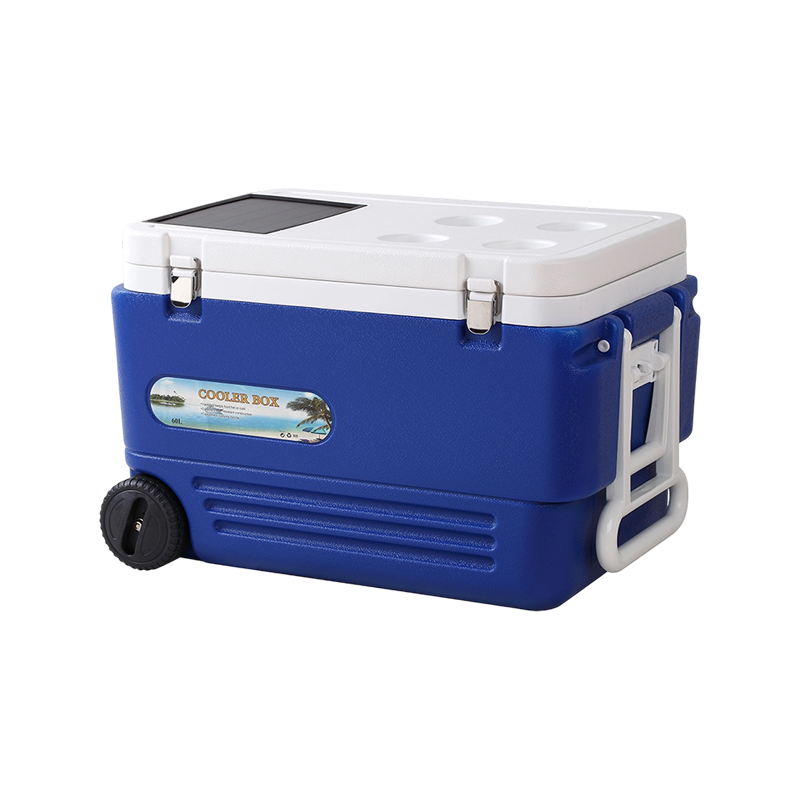
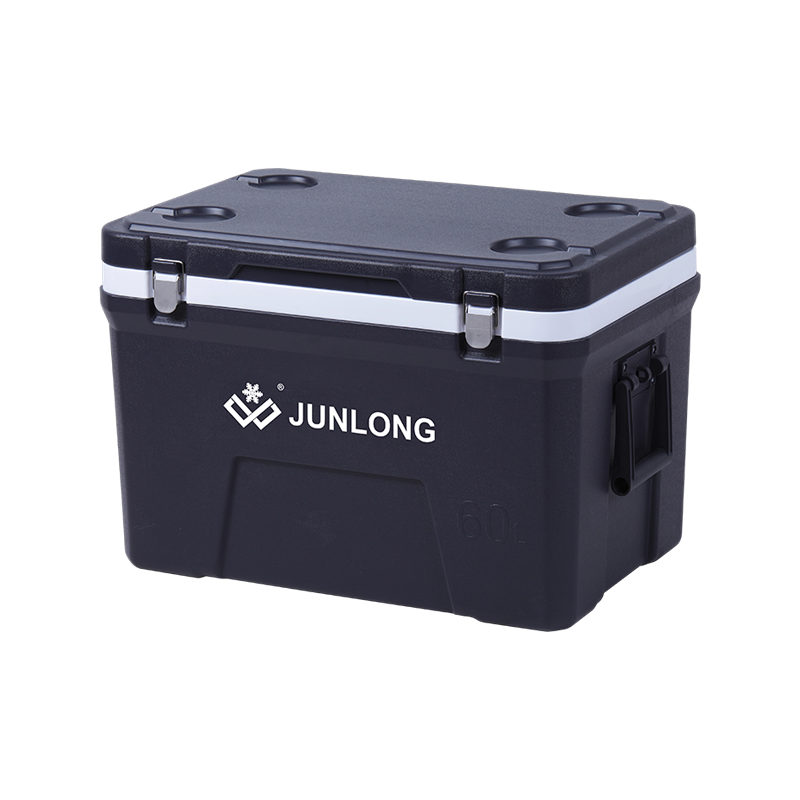 JUNLONG 60L Rugged Cooler Box with Ice Pack CompartmentA 60 L heavy-duty cooler with a lid compartment for ice packs and 48–60 hour insulation, suited to multi-day outdoor trips and larger loads.View Product →
For multi day use, ask for the compartment dimensions before you specify pack weight. A compartment sized for two 800 g blocks will not take a single 2 kg block without lifting the lid line.
Common Mistakes That Cut Cold Hold Time
- Buying packs before measuring the interior footprint of the cooler.
- Using many small packs when fewer large packs would hold cold longer.
- Freezing packs in a tight stack so the centres never freeze solid.
- Letting packs press on the lid gasket and break the seal line.
- Storing damp packs, which leads to odour and surface mould.
- Expecting a two day trip from a single set of packs with no rotation plan.
Choosing the best freezer packs for coolers is a sizing exercise, not a shopping spree. Measure the interior, target one quarter to one third of the volume in frozen pack material, keep the packs off the lid gasket, and buy enough packs to rotate one set while the other freezes. Do that and the cooler will still be holding ice at the end of the day, which is the only result that matters when the food and the drinks are already packed.
Product Recommendation
link
Office
- TEL: +86-574-63787606
- Phone: +86-13777994798
- E-mail: sales@nbjunlong.com
- WhatsApp: 13777967488
- Address: No. 1, Lane 3, Development Road, Longtouchang, Longshan Town, Cixi City, Zhejiang Province, China
Get In Touch
Copyright © Ningbo Junlong Outdoor Products Co., Ltd. All Rights Reserved.
China Plastic Insulated Cooler Box Manufacturer Custom Cooler Box Supplier
