- SMALL ORDERS FOR STANDARD ITEMS. Contact Now
- OUTDOOR COOLING SOLUTIONS, MADE IN‑HOUSE. Contact Now
- COOLER BOXES THAT FIT REAL OUTDOOR LIFE. Contact Now

 LANGUAGE
 日本語
 Español
 عربى

Industry News
600 mL How Many Ounces? US and UK Fluid Ounce Conversions Clearly Explained
Content
- 1 The Direct Answer in One Line
- 2 Why the Number Changes With the Ounce You Mean
- 3 Conversion Table for 600 mL and Nearby Sizes
- 4 Fast Mental Math You Can Do Without a Calculator
- 5 Where 600 mL Shows Up in Outdoor Gear
- 6 Mistakes That Turn 600 mL Into the Wrong Number
- 7 A Short Checklist Before You Buy or Pack
You are holding a cooler jug stamped 600 mL, and the cup you packed is marked in ounces. Are they the same amount? Almost, but not exactly, and that small gap matters when you portion drinks for a group, follow a recipe, or compare two products from suppliers who label the same capacity in different units.
The number to remember is 20.29. That is how many US fluid ounces fit in 600 mL. In the UK the same volume is 21.12 fluid ounces, and if you weigh 600 mL of water on a kitchen scale, it reads 21.16 ounces. Three clean answers to one simple question, because the word ounce carries more than one meaning.
The Direct Answer in One Line
For everyday use in the United States, treat 600 mL as 20.3 fluid ounces. That is accurate enough for filling a bottle, planning drinks for a group, or sizing a jug for a day trip. If you are printing a label or filing a nutrition panel, use the exact figure and the exact definition your market expects.
The arithmetic is short:
- US fluid ounces: 600 divided by 29.5735 equals 20.288
- UK fluid ounces: 600 divided by 28.4131 equals 21.117
- Weight of 600 mL of water: 600 divided by 28.3495 equals 21.16 ounces
- US food labelling fluid ounce: 600 divided by 30 equals exactly 20
That last line surprises many buyers. The US food labelling fluid ounce is defined as exactly 30 mL for nutrition purposes, so the same 600 mL container can be printed as 20 fl oz on a US nutrition panel and 20.29 fl oz on a technical spec sheet. Both statements can be correct inside their own context.
Why the Number Changes With the Ounce You Mean
Millilitres are unambiguous. An ounce is not. Before you convert anything, decide which ounce the other person is talking about, because there are three common ones and they do not agree with each other.
One: the US fluid ounce
A US fluid ounce measures volume and equals exactly 29.5735 mL. It is the unit behind US drink sizes, recipe books, and most bottle labels sold in North America. Divide millilitres by 29.5735 and you have your answer: 600 mL is 20.29 US fluid ounces, or about 1.27 US pints, since a US pint is 16 fluid ounces.
Two: the UK or imperial fluid ounce
The UK fluid ounce is smaller at 28.4131 mL, roughly 4 percent less than its US counterpart. That difference sounds minor until it lands on a shipping carton. For 600 mL the gap is 0.83 fluid ounces, about 25 mL, which is enough to fail a fill check or a customs declaration. A UK pint is 20 UK fluid ounces, or 568 mL, so 600 mL is slightly more than a British pint.
Three: the weight ounce
An avoirdupois ounce is a unit of mass and equals 28.3495 grams. It is what a kitchen scale shows. Because water has a density of about 1 gram per millilitre, 600 mL of water weighs 600 grams, or 21.16 ounces. Change the liquid and the number moves: 600 mL of cooking oil weighs roughly 552 grams, or about 19.5 ounces, because oil is lighter than water. Volume stays the same, weight does not.
Conversion Table for 600 mL and Nearby Sizes
The table below places 600 mL next to the container sizes you actually meet in a shop or on a spec sheet. The water weight column assumes pure water at room temperature.
| Volume | US fluid ounces | UK fluid ounces | US cups | Water weight in ounces |
|---|---|---|---|---|
| 500 mL | 16.91 | 17.60 | 2.11 | 17.64 |
| 591 mL | 20.00 | 20.80 | 2.50 | 20.85 |
| 600 mL | 20.29 | 21.12 | 2.54 | 21.16 |
| 750 mL | 25.36 | 26.40 | 3.17 | 26.46 |
| 1000 mL | 33.81 | 35.20 | 4.23 | 35.27 |
Notice the row at 591 mL. A standard US 20 ounce bottle holds 591 mL, not 600 mL. The two are close enough to swap in daily use, but not close enough to swap in a purchase order.
Fast Mental Math You Can Do Without a Calculator
You will not always have a calculator, and you rarely need one. Multiply millilitres by 0.034 to get US fluid ounces. For 600 mL that gives 20.4, slightly high but useful in a shop aisle. A second shortcut is to divide by 30: 600 divided by 30 is 20, 500 divided by 30 is 16.7, and 1000 divided by 30 is 33.3. The result runs about 1.4 percent low, which is fine for estimating and wrong for labelling.
Going the other way, multiply fluid ounces by 29.57 for a precise answer or by 30 for a fast one. A 16 ounce bottle is 473 mL, and a 32 ounce bottle is 946 mL, which is why half litre and one litre containers sit so close to familiar US sizes on the shelf.
Where 600 mL Shows Up in Outdoor Gear
Capacity labels are where this conversion earns its keep. European and Asian manufacturers usually print litres or millilitres, while US retailers often print fluid ounces. The same cooler jugs and outdoor water container products therefore carry two very different looking numbers on one carton.
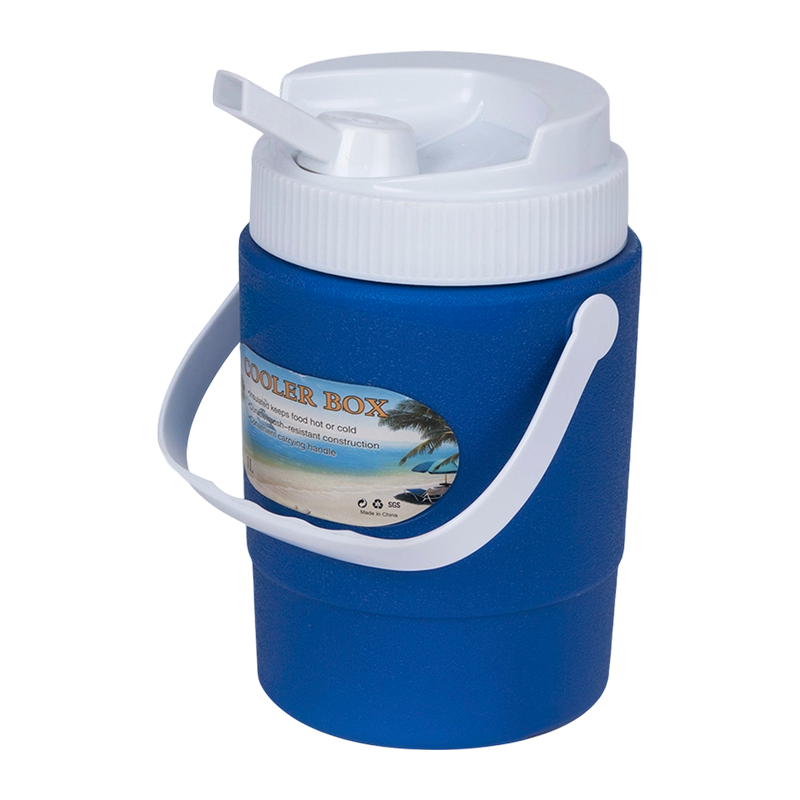 1 Litre PLASTIC Thermal Insulated Cooler Jug for Food, Beverage, and Sports UseVolume: 1L Material: PP+PE+PU Weight: 220gView Product →
Take a 1 litre insulated jug. It holds 33.8 US fluid ounces, which works out to 1.67 pours of 600 mL, a practical size for one person on a half day hike. Move up to the 3 litre class and you get about 101 fluid ounces, or five full 600 mL servings, a sensible figure for a family picnic or a long morning of fishing.
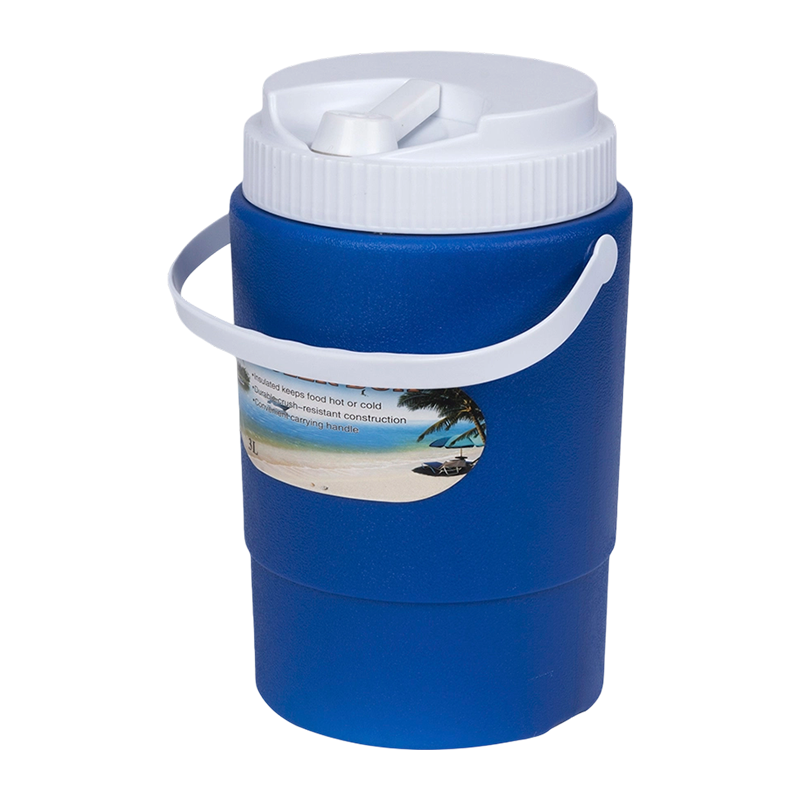 3L PU Insulation COOLER JUG with Sealing CoverVolume: 3L Material: PP+PE+PU Weight: 470gView Product →
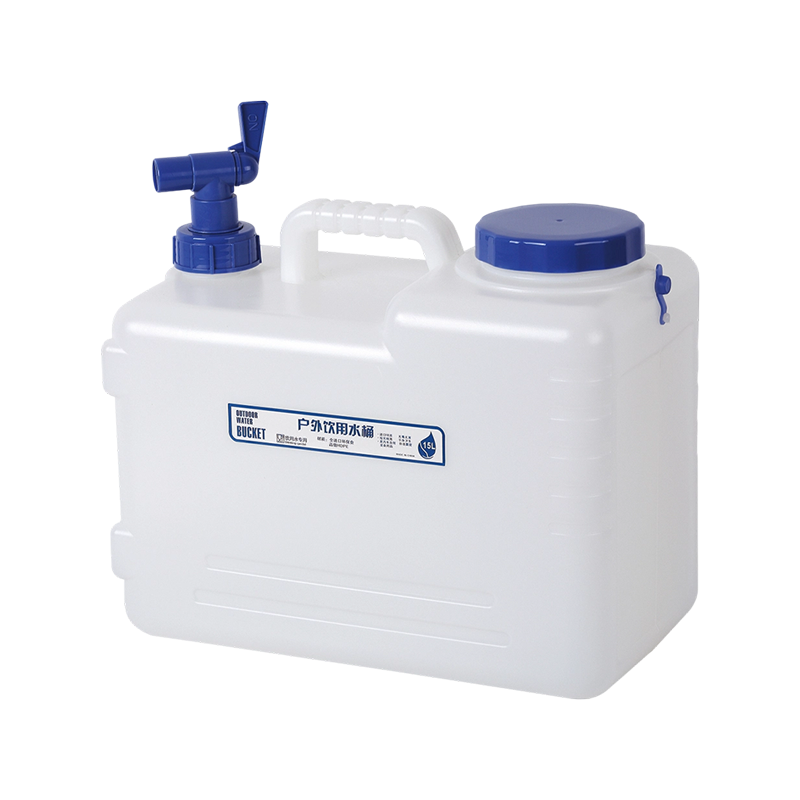
Larger carriers scale the same way. A 10 litre water container holds roughly 338 fluid ounces, more than 16 servings of 600 mL, which suits a camp kitchen rather than a single walker. Buyers who think in ounces and read a spec in litres can easily misjudge this by a factor of two.
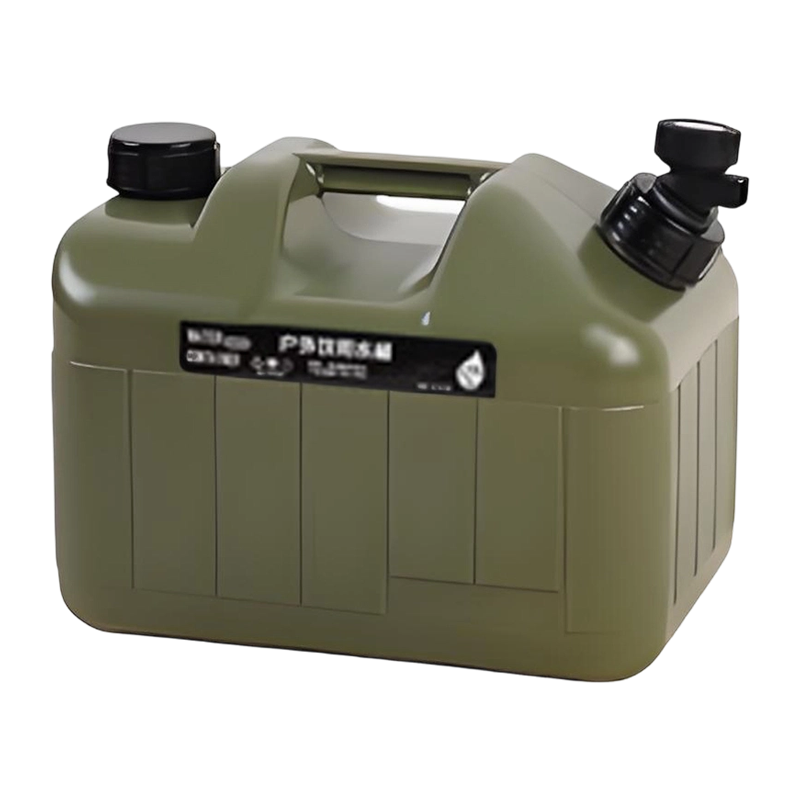 10L Plastic Portable Outdoor Water Carrier For CampingVolume: 10L Material: FOOD GRADE PE Weight: 500G With faucetView Product →
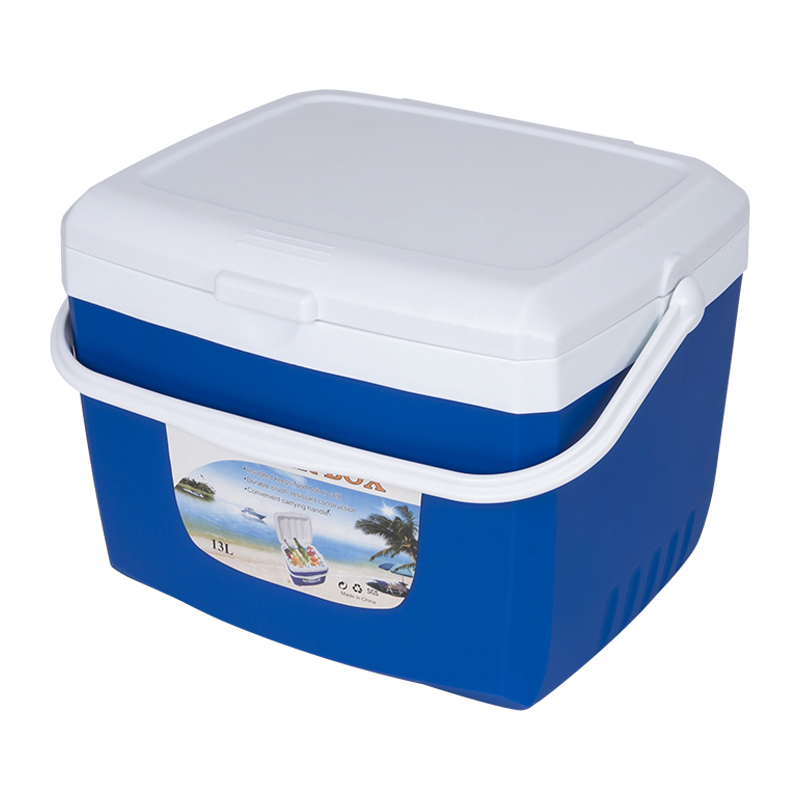
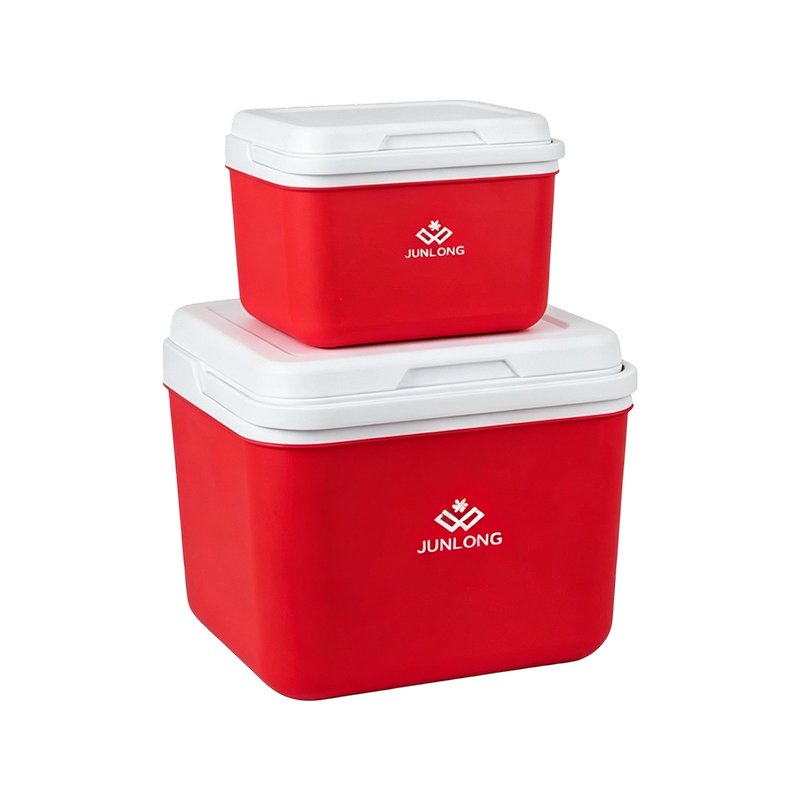
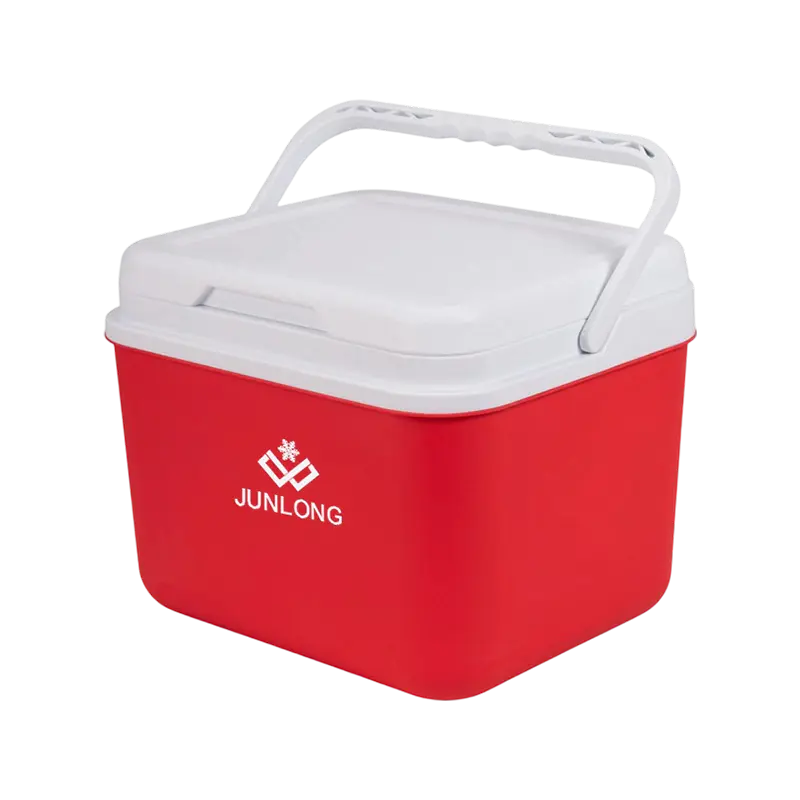
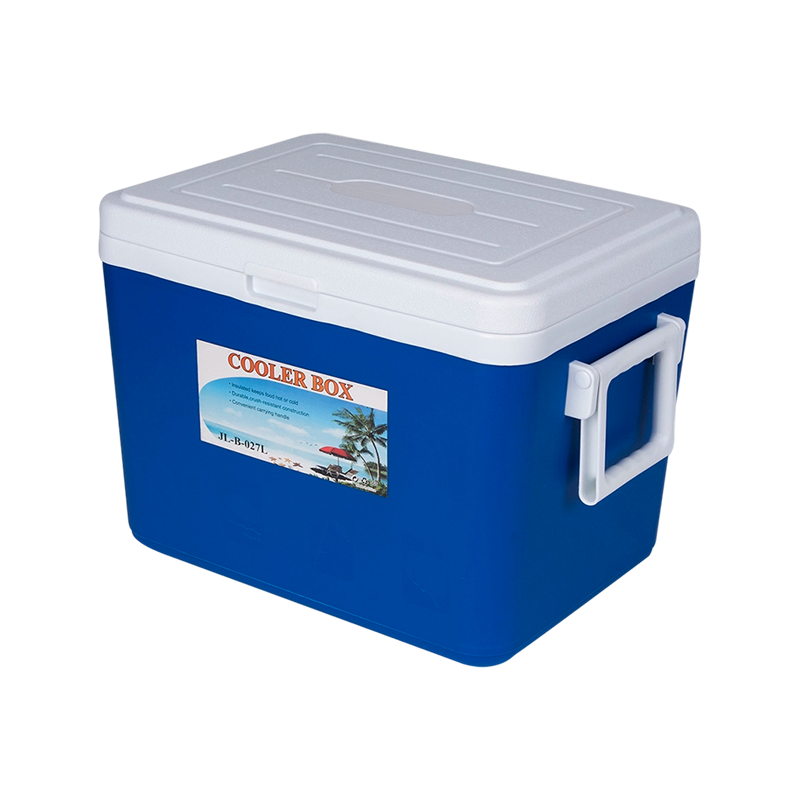
Cooler boxes follow the same logic. A small box in the 5 to 13 litre band covers about 169 to 440 US fluid ounces, and the quoted volume normally refers to usable interior space after insulation, not the outside footprint. When a supplier quotes litres and a buyer thinks in ounces, one quick conversion prevents an order that looks large and holds less than expected.
Mistakes That Turn 600 mL Into the Wrong Number
- Using a weight ounce for a liquid volume. A recipe asking for 21 ounces of water by weight is not the same instruction as 600 mL by volume.
- Treating US and UK fluid ounces as identical. The 4 percent gap equals about 25 mL on a 600 mL pour.
- Rounding 29.5735 down to 30 when the figure goes on a label. A label is a declaration, not an estimate.
- Assuming a 20 ounce bottle is 600 mL. It is 591 mL, and 9 mL per bottle adds up across a full pallet.
- Ignoring density when you switch from water to juice, oil, or syrup. Volume converts cleanly, weight does not.
A Short Checklist Before You Buy or Pack
- Decide whether you need volume or weight. For volume, use fluid ounces. For weight, use a scale and weight ounces.
- Identify the market. US fluid ounces for North America, imperial fluid ounces for the UK, millilitres almost everywhere else.
- Round only after you pick the right factor. 600 mL becomes 20.3 US fl oz, 21.1 UK fl oz, or 21.16 ounces of water weight.
- Check the container, not only the label. Fill lines, head space, and insulation thickness all change real usable capacity.
- Keep one reference line for bulk buying. 600 mL equals 0.6 litres, and one litre is 33.8 US fluid ounces, so the math scales quickly.
Six hundred millilitres is 20.29 US fluid ounces, 21.12 UK fluid ounces, and 21.16 ounces of water weight. The figure you quote depends entirely on what you are measuring and who you are selling to. Settle that question first, and every conversion after it takes one line of arithmetic.
Product Recommendation

link
Office
- TEL: +86-574-63787606
- Phone: +86-13777994798
- E-mail: sales@nbjunlong.com
- WhatsApp: 13777967488
- Address: No. 1, Lane 3, Development Road, Longtouchang, Longshan Town, Cixi City, Zhejiang Province, China
Get In Touch
Copyright © Ningbo Junlong Outdoor Products Co., Ltd. All Rights Reserved.
China Plastic Insulated Cooler Box Manufacturer Custom Cooler Box Supplier
