- SMALL ORDERS FOR STANDARD ITEMS. Contact Now
- OUTDOOR COOLING SOLUTIONS, MADE IN‑HOUSE. Contact Now
- COOLER BOXES THAT FIT REAL OUTDOOR LIFE. Contact Now

 LANGUAGE
 日本語
 Español
 عربى

Industry News
200 oz Water Bottle Guide: Capacity, Insulation, Spout Options and Bulk Buying Tips
Content
- 1 200 oz in Practical Terms: 1.56 Gallons and About 13 Pounds
- 2 Why the Market Jumps From Bottles to Jugs
- 3 Insulation Choices and What They Cost
- 4 Spout, Faucet or Wide Lid: Match Dispensing to the User
- 5 Capacity Comparison for Large Hydration Containers
- 6 What to Verify Before Mass Production
- 7 Buying in Volume: Small Orders, Customisation and Supply
- 8 Quick Answers to Common Buyer Questions
A buyer who searches for a 200 oz water bottle usually finds the same result: almost nobody sells a bottle at that size. What the market offers instead is a family of insulated jugs, dispensers and outdoor water containers that sit between 5 and 6 litres, and the details that decide whether one of them actually works are rarely printed on a retail listing. The short answer is that 200 oz is a real and useful working capacity, it simply does not arrive in bottle form.
200 oz in Practical Terms: 1.56 Gallons and About 13 Pounds
200 US fluid ounces converts to 5.9 litres, or roughly 1.56 US gallons. Filled with water, that is close to 6 kilograms, about 13 pounds, before the container itself is counted. Add a 500 gram to 1 kilogram jug body and the user lifts a 7 kilogram object every time they pour a drink.
That single number explains the product landscape. Bottle shapes stay practical up to about 64 oz because a hand can still grip them and a backpack pocket can still accept them. Past one gallon, the design priority shifts from carrying to dispensing, which is why the market answers a 200 oz request with a jug that has a handle, a wide base and either a spout or a faucet.
Why the Market Jumps From Bottles to Jugs
Retail hydration products cluster around a few familiar sizes: 32 oz, 40 oz, 64 oz and 128 oz. The next practical step is not 200 oz, it is 2 gallons, which is 256 oz. Sellers who need a 5 to 6 litre unit therefore choose between two families.
- Insulated cooler jugs in the 6 to 8 litre range, usually double walled with foam or vacuum insulation, aimed at drink transport and pouring.
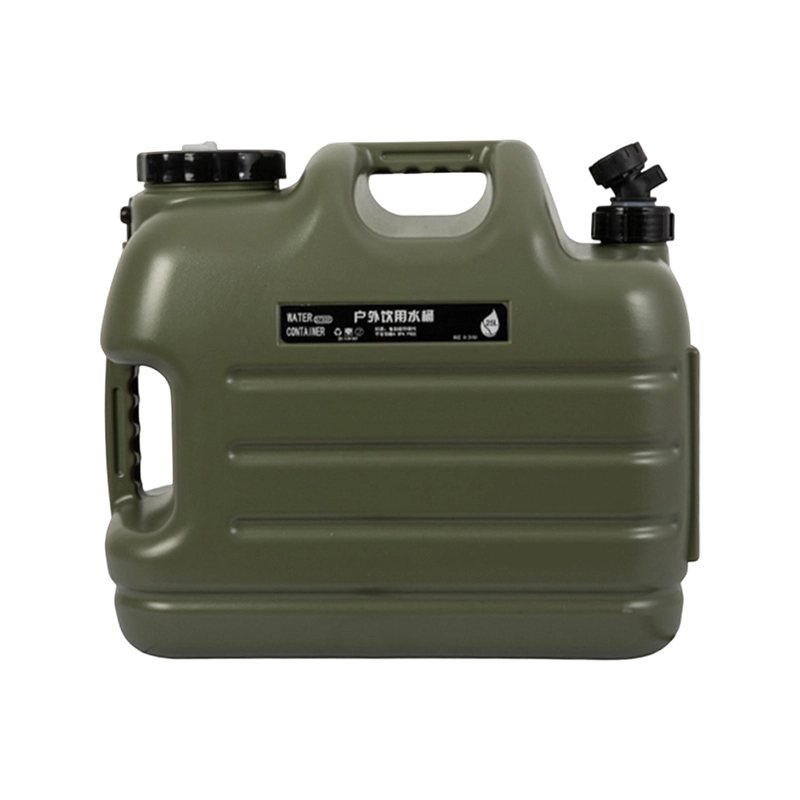
- Outdoor water containers in the 10 to 28 litre range, aimed at group supply through a tap or hose faucet.
For a 200 oz brief, the smaller insulated jug is the closer match and the easier unit to ship. A 200 oz model and a 270 oz model often share the same mould family, so tooling cost is similar while the retail price band is not. That is worth checking before a specification is locked.
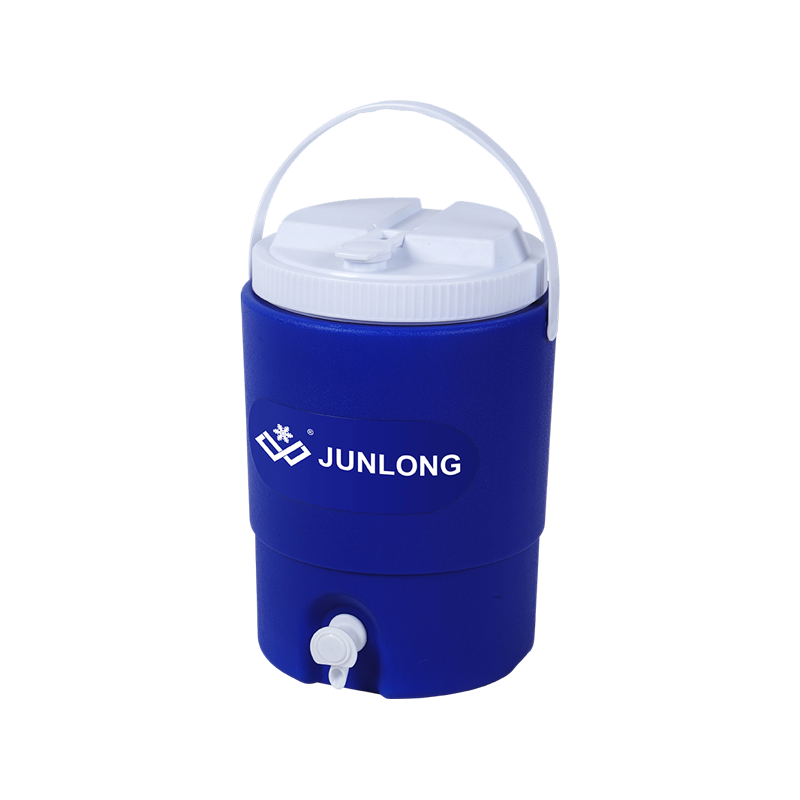 8L Portable Insulated Drink Cooler JugCapacity: 8L Main Materials: PP, PE, PU Net Weight: 995g Available Colors: Blue, Orange Outer Dimensions Diameter:23.5 cm, Height: 33 cm Inner Dimensions Diameter: 19....View Product →
Insulation Choices and What They Cost
Single wall, foam insulated and vacuum
Three constructions cover almost every large water container. A single wall HDPE container is the cheapest and cools nothing, it only stores water. A double wall container with PU foam between the shells holds ice for roughly 12 to 24 hours depending on fill level, ambient temperature and how often the lid is opened. Vacuum insulation performs best, often 36 hours or more, but tooling and unit cost rise sharply above 5 litres because the inner and outer shells must be formed and then welded.
Wall thickness, foam density and the numbers that matter
For foam insulated jugs, a wall thickness of 2.5 to 4 mm on both shells, with PU foam at 30 to 40 kg per cubic metre, gives a workable balance of weight and cooling performance. When a supplier quotes ice retention, ask for the test conditions: starting ice quantity, water fill level, ambient temperature and lid opening frequency. A claim of 24 hours without those four numbers is not a specification, it is a marketing line.
Spout, Faucet or Wide Lid: Match Dispensing to the User
The closure decides how the product gets used, and it is the most common source of after-sales complaints. A screw cap with a wide mouth is simple and cheap, but pouring 6 kilograms of water from a wide opening is messy. A push button spout works for one handed pouring at a picnic. A faucet turns the same body into a tabletop dispenser that stays in place, which suits campsites, market stalls and catering setups.
Practical checks on a faucet design include the seal ring material, the thread engagement, and whether the tap sits low enough that the last litre can still be drawn. Also confirm whether the faucet is replaceable, because a leaking tap is far cheaper to fix than a returned jug.
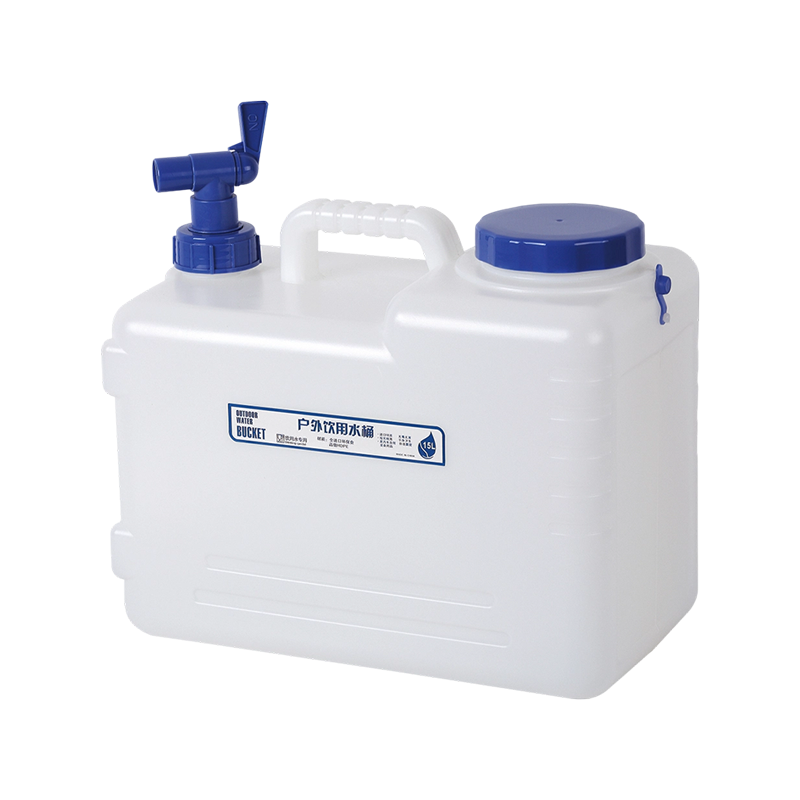 15L Leak-Proof Insulated Water Jug with Integrated Handle & FaucetSize: 350*195*290MM Volume: 15L Material: PE Weight: 720GView Product →
Capacity Comparison for Large Hydration Containers
The table below maps the sizes buyers most often compare when a 200 oz requirement appears in a brief. Filled weight assumes water only, at 1 kilogram per litre.
| Nominal size | Litres | Filled weight | Typical form |
|---|---|---|---|
| 64 oz | 1.9 L | 1.9 kg | Insulated bottle |
| 128 oz | 3.8 L | 3.8 kg | One gallon jug |
| 200 oz | 5.9 L | 5.9 kg | Handle jug or dispenser |
| 270 oz | 8 L | 8.0 kg | Insulated cooler jug |
| 338 oz | 10 L | 10.0 kg | Camping water carrier |
| 507 oz | 15 L | 15.0 kg | Tap jug or container |
If the brief is group supply rather than personal hydration, a camping water carrier in the 10 to 12 litre range often delivers more usable water per unit cost than a larger insulated jug, because cooling is no longer the main job and the tap does the work.
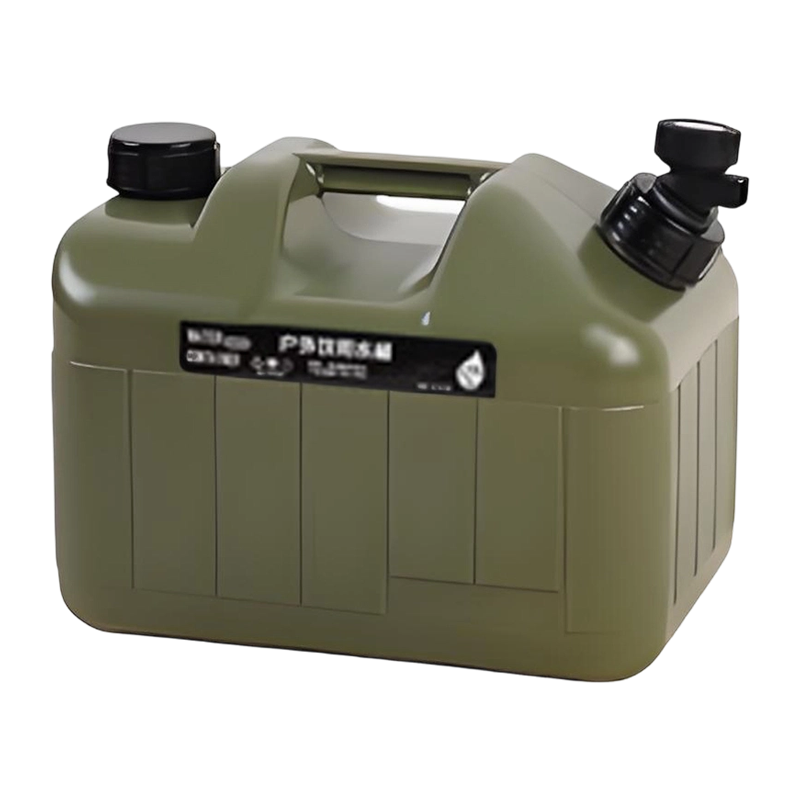 10L Plastic Portable Outdoor Water Carrier For CampingVolume: 10L Material: FOOD GRADE PE Weight: 500G With faucetView Product →
What to Verify Before Mass Production
Most failures on large water containers appear in the first sample round rather than in the market, provided the buyer tests the right things. A short but strict checklist covers the usual risks.
- Actual capacity: fill the jug to the marked line and weigh the water. Blow moulded bodies commonly run 2 to 5 percent either side of nominal, so confirm whether the label claims total capacity or usable capacity.
- Leak and drop testing: invert the filled container for 30 minutes, then drop it from 1 metre onto a hard floor at three angles with the lid fitted.
- Material documentation: food contact reports such as FDA or LFGB, plus a BPA free declaration for every part that touches drinking water.
- Odour and taste: a new HDPE or PP container should not transfer smell after a standard rinse. Odour complaints are hard to reverse once goods reach retail shelves.
- Handle and load points: test at 1.5 times the filled weight, because a 6 kilogram jug swung by one hand produces more force than its static weight.
- Carton performance: run a full carton drop test at the height the shipping method will actually see, not the ideal case.
Buying in Volume: Small Orders, Customisation and Supply
For a distributor testing a 200 oz concept, the practical route is to start with a standard jug in the closest capacity and confirm demand before paying for new tooling. Our factory background and production setup explains why standard items can usually be ordered in smaller quantities, which keeps the first shipment low risk, while colour, logo and packaging changes stay open for the second order.
When a design does move to OEM or ODM, development from drawings or samples typically moves through mould review, pilot samples, foam trials and packaging approval. Buyers should expect to approve at least two sample rounds on a new insulated body.
A 5.9 litre insulated jug is not difficult to make, but it is difficult to make consistently, because foam filling, weld quality and closure fit all have to hold at the same time across a full production run. That is the case for working with a supplier that controls moulding, foaming and assembly under one roof instead of splitting them across workshops.
Quick Answers to Common Buyer Questions
Is a 200 oz water bottle sold as a bottle?
In practice, no. Once a container passes about 64 oz, the shape changes to a jug with a handle, and manufacturers describe the product as a cooler jug, dispenser or water container rather than a bottle. Buyers get accurate matches by specifying capacity in litres.
How long will a 200 oz jug hold ice?
A foam insulated double wall jug usually holds ice for 12 to 24 hours under normal outdoor conditions. Vacuum versions last longer at a higher unit cost. Ice retention depends more on fill level and opening frequency than on capacity itself.
What is a realistic minimum order?
Standard colours and existing moulds support small trial orders. Custom colours, logos or new tooling raise the minimum, because each change adds setup time and separate material runs.
Treat 200 oz as a capacity target rather than a product name, and the sourcing decision becomes simpler. Choose a 6 litre insulated jug for personal or small group use, step up to a 10 to 15 litre container when the water has to serve several people, and confirm capacity, insulation conditions and closure quality with physical samples before committing to production volume.
Product Recommendation

link
Office
- TEL: +86-574-63787606
- Phone: +86-13777994798
- E-mail: sales@nbjunlong.com
- WhatsApp: 13777967488
- Address: No. 1, Lane 3, Development Road, Longtouchang, Longshan Town, Cixi City, Zhejiang Province, China
Get In Touch
Copyright © Ningbo Junlong Outdoor Products Co., Ltd. All Rights Reserved.
China Plastic Insulated Cooler Box Manufacturer Custom Cooler Box Supplier
