

 LANGUAGE
 日本語
日本語 Español
 عربى
عربى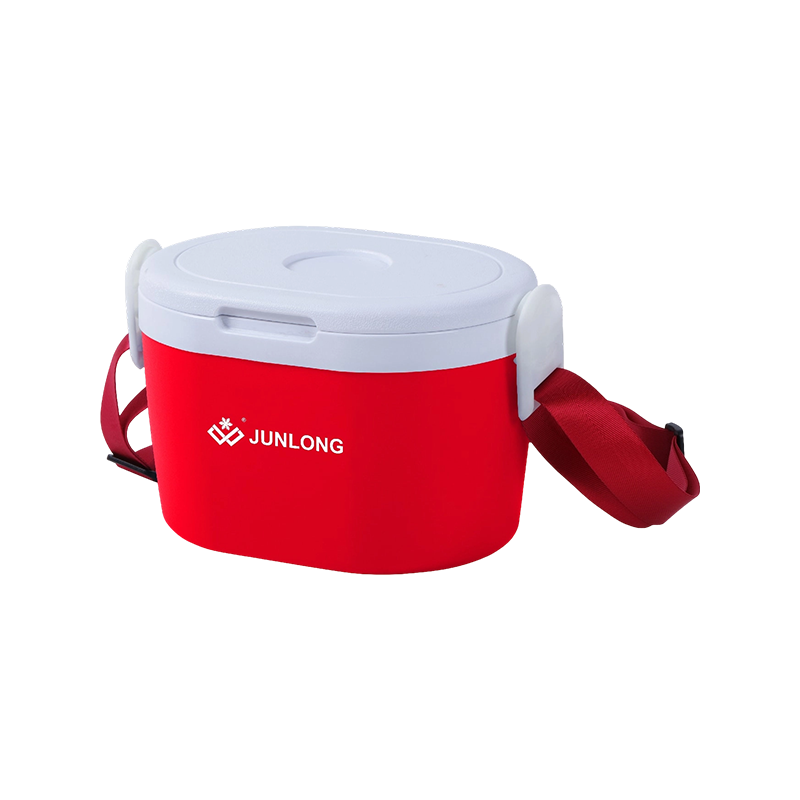
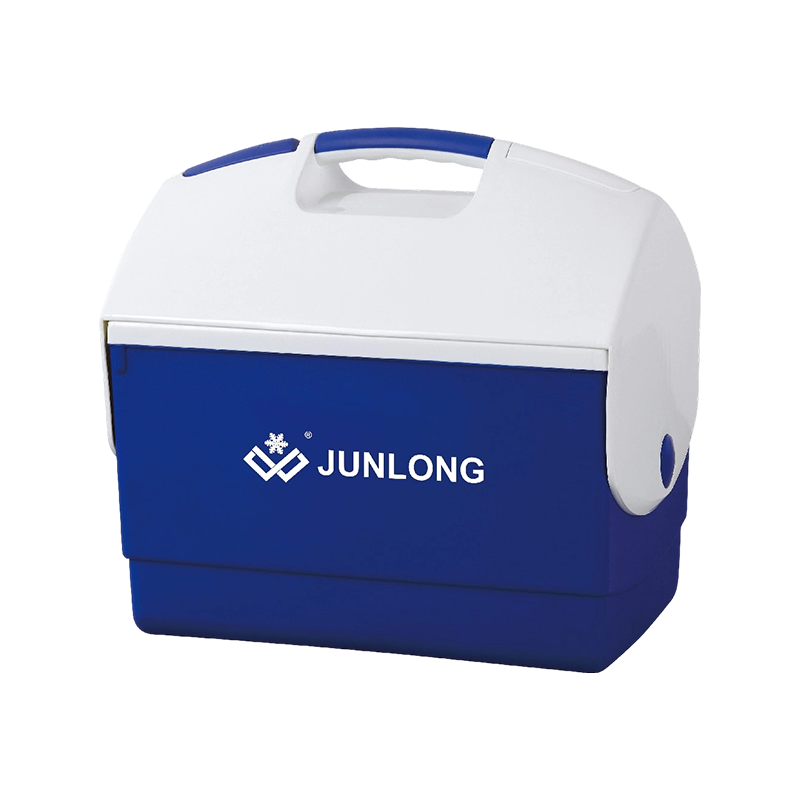
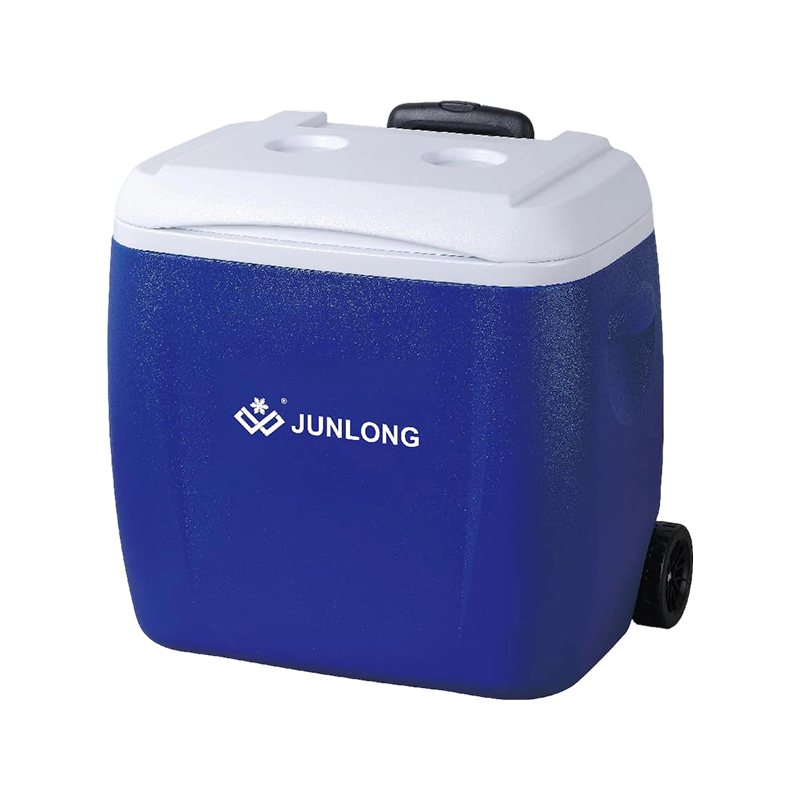
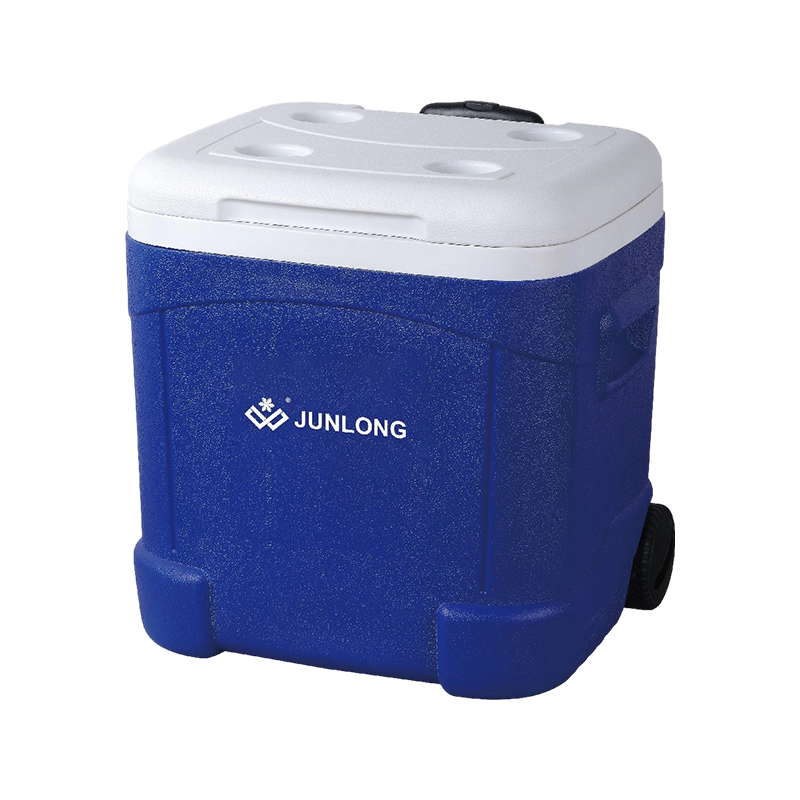
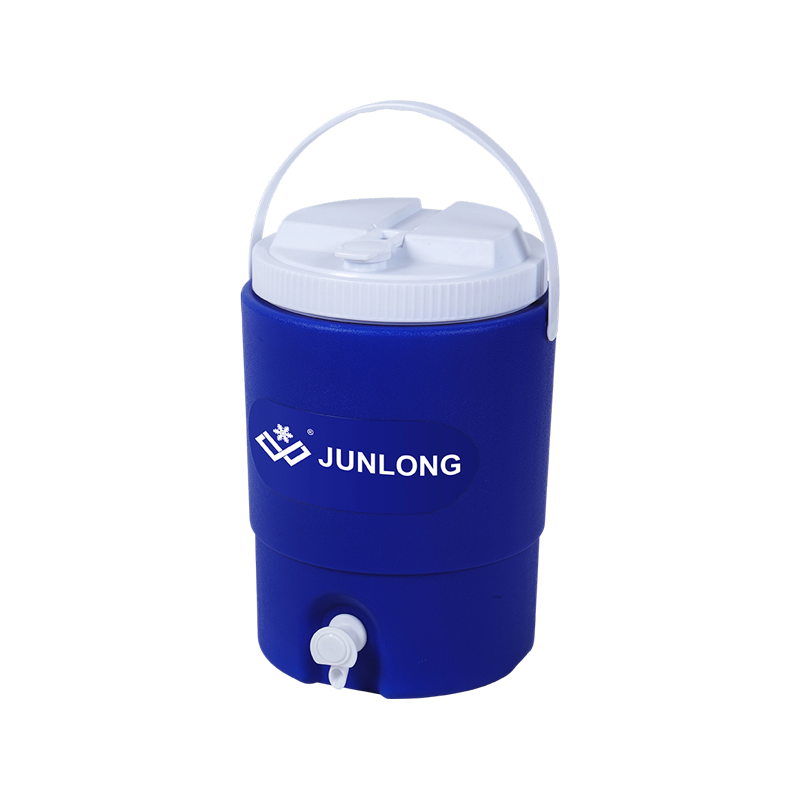
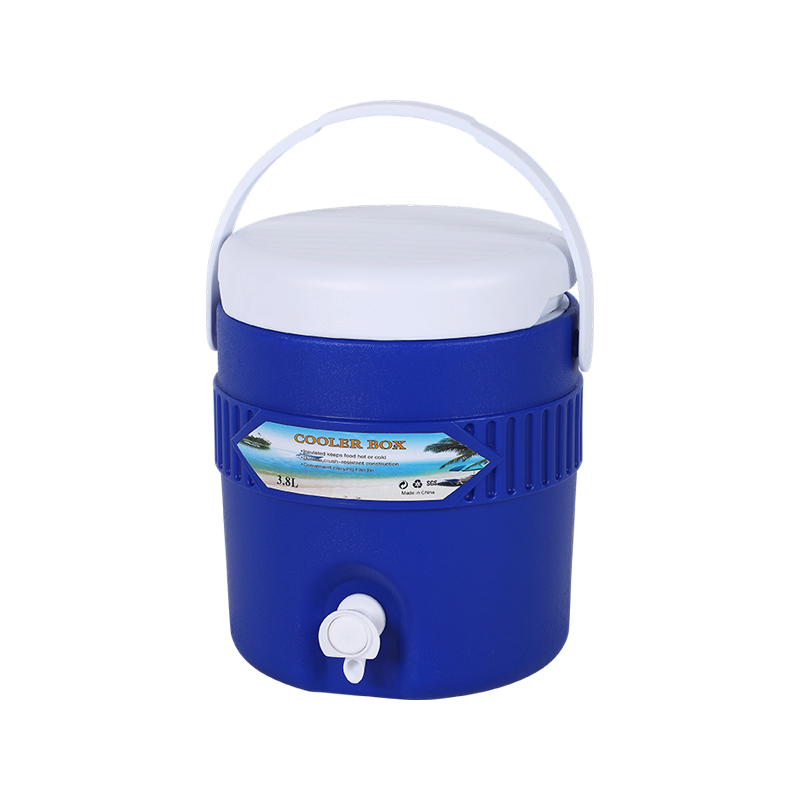
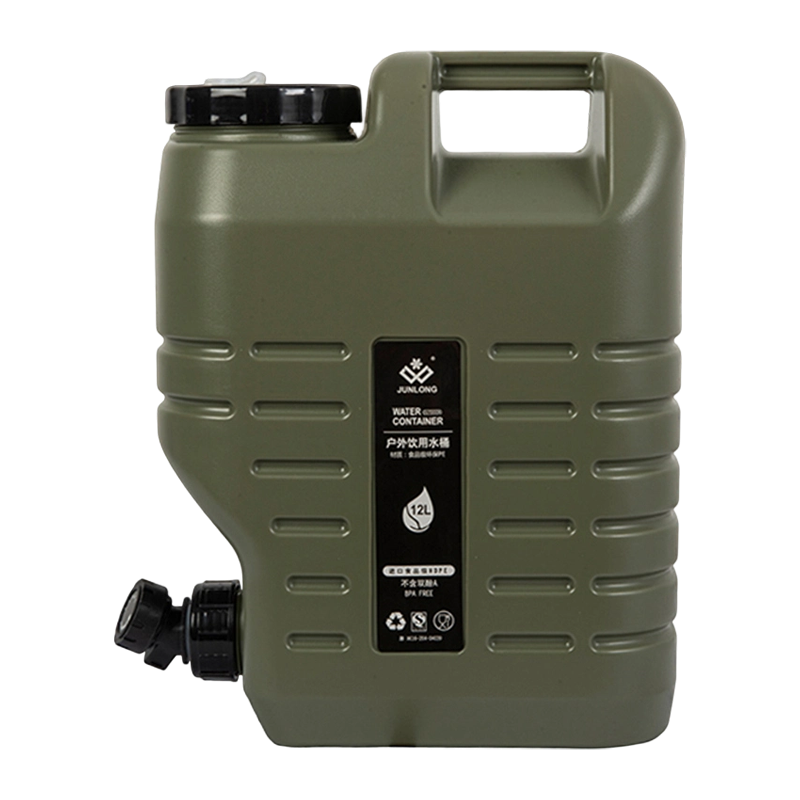
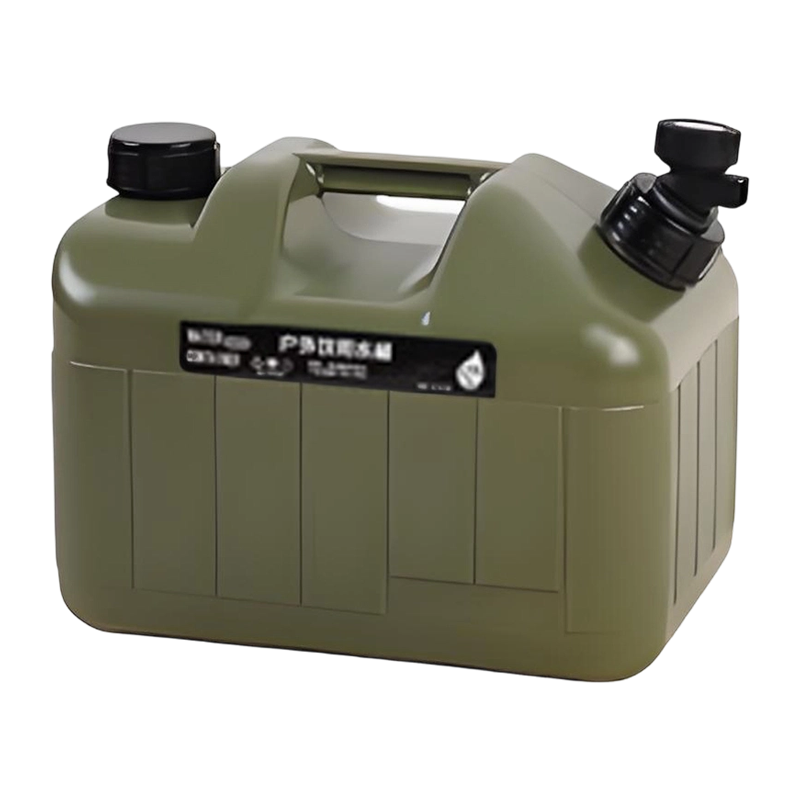
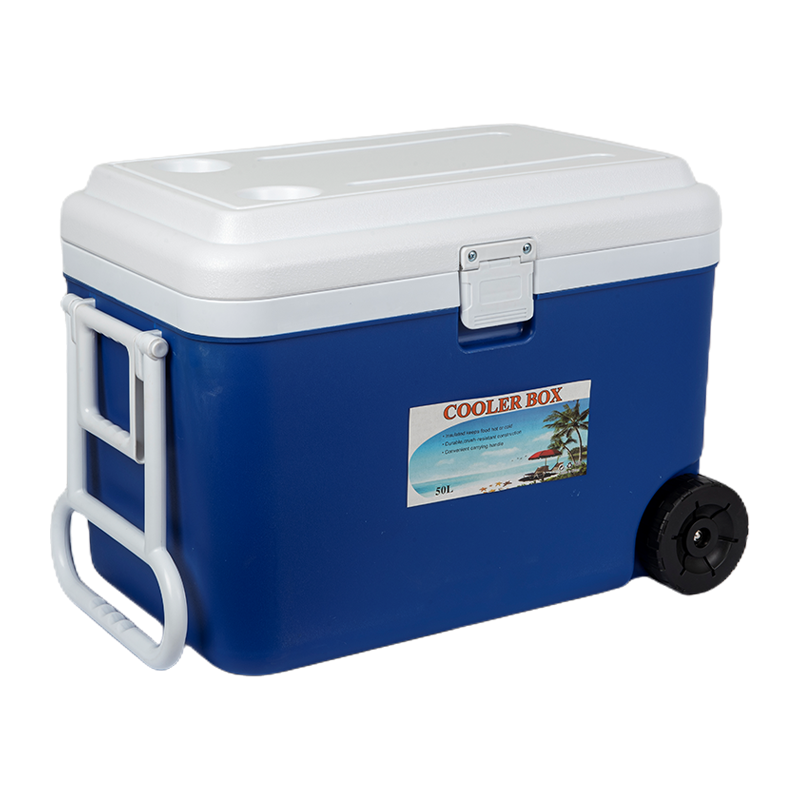
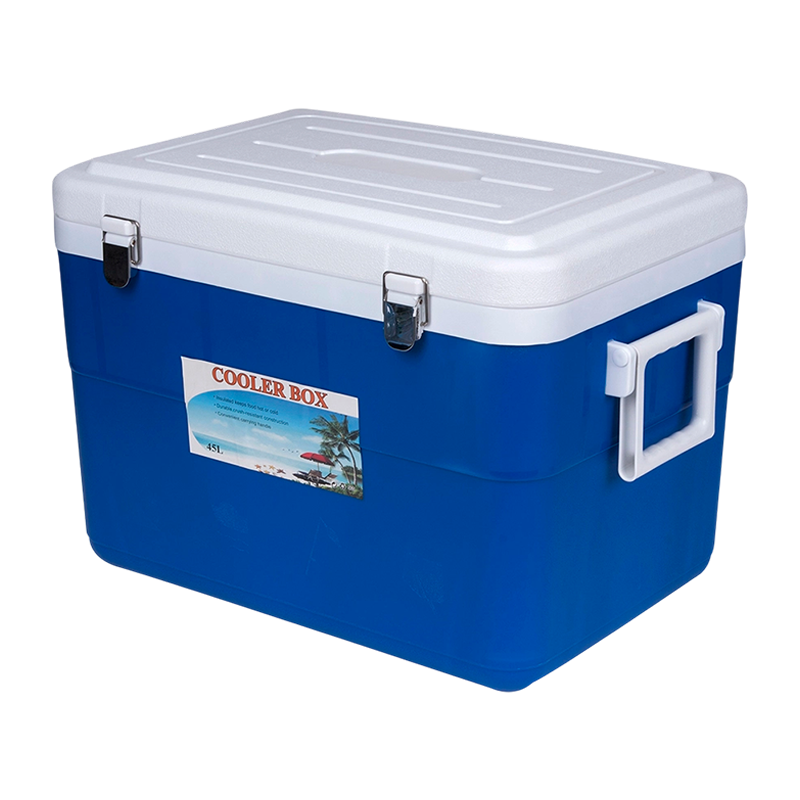
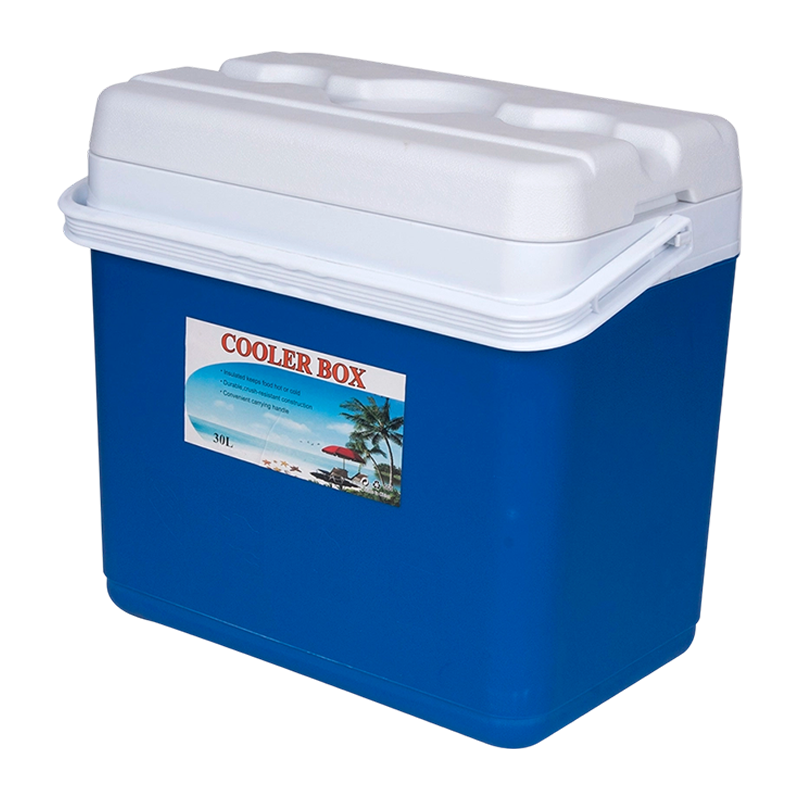
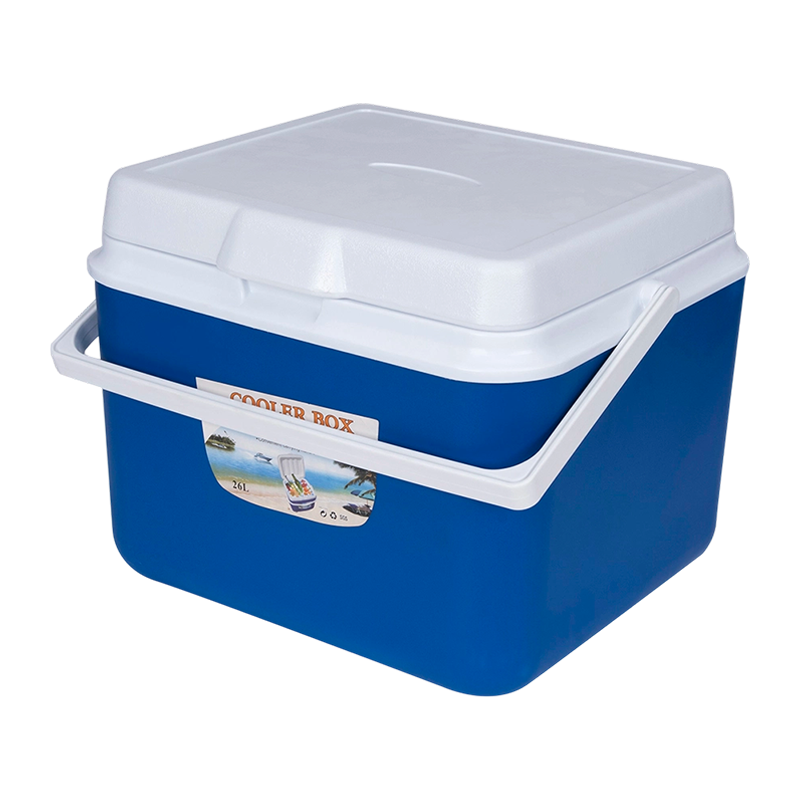
What Sets a Reliable Production Facility Apart
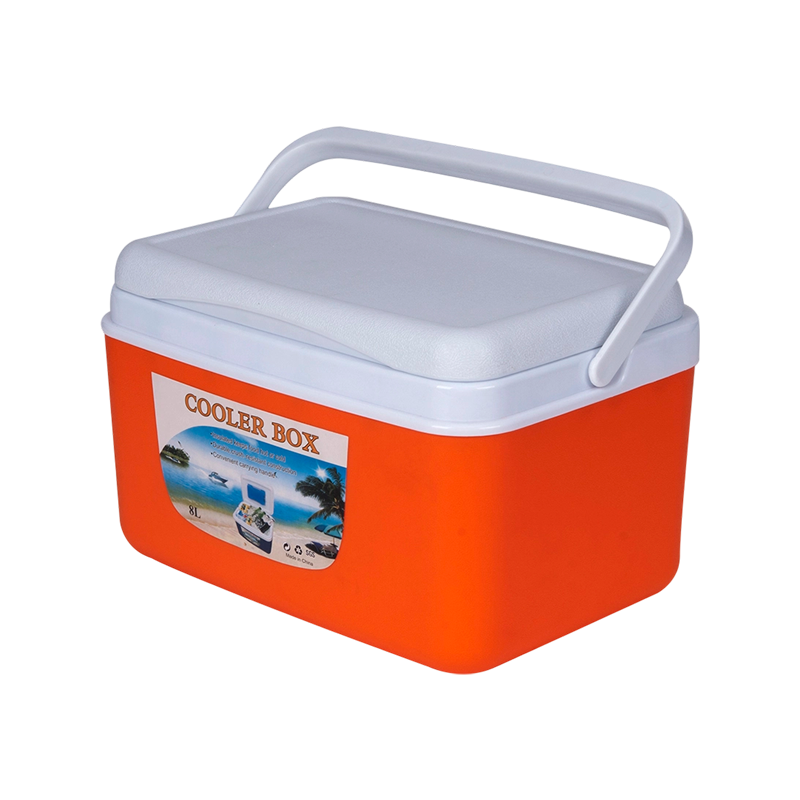
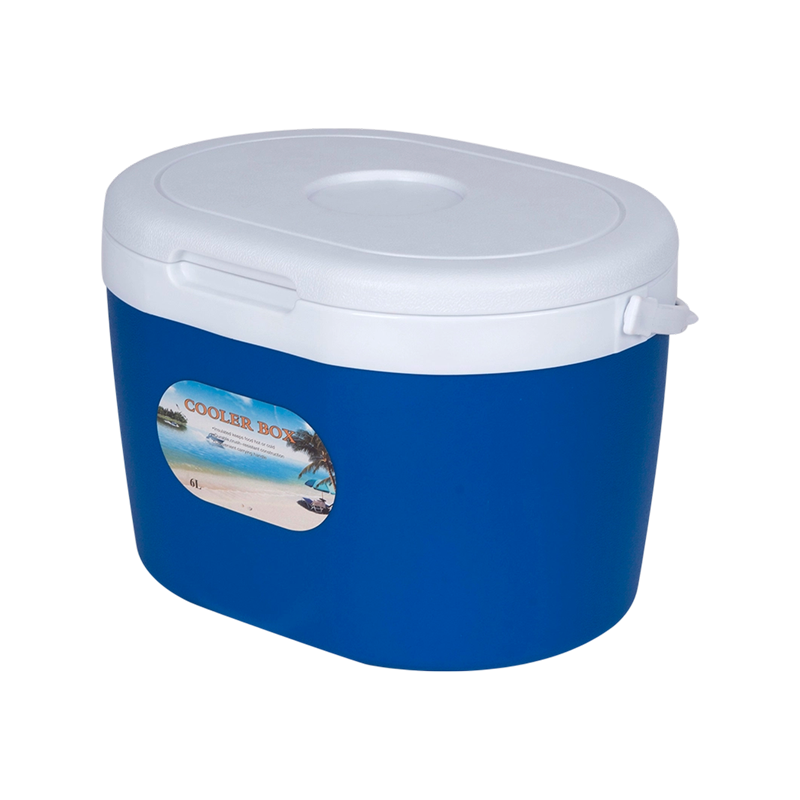
The direct answer for buyers evaluating a Cooler Boxes Factory is that consistent output quality comes down to three measurable factors: wall construction control, seal and joint precision, and repeatable testing procedures applied across every production batch. A facility that tracks these three factors closely tends to deliver cooler boxes, cooler jugs, and outdoor water containers with far more consistent insulation performance and structural durability than one relying on visual inspection alone. This matters directly to procurement teams, since a single inconsistent batch can undermine an entire product line's reputation for reliability.
This article reviews measured production performance data, structural comparisons, and practical sourcing guidance to help buyers evaluate a cooler boxes factory, a cooler jugs factory, or an outdoor water containers factory on a consistent, evidence-based basis rather than on marketing claims alone.
Core Production Metrics Across Manufacturing Configurations
Five metrics matter most when comparing production configurations across a cooler boxes factory or cooler jugs factory: dimensional consistency, insulation uniformity, structural strength, seal reliability, and defect rate control. The horizontal bar chart below scores two common production setups against these metrics on a 0-100 index built from typical field performance ranges: a rotomolding-based production line and a blow-molding-based production line. The rotomolding line scores highest on structural strength and insulation uniformity, since its single-piece foam-filled construction avoids weak seams, while the blow-molding line remains competitive on dimensional consistency for thinner-walled containers produced at higher speed.
This comparison shows that a rotomolding-based approach extends its advantage mainly in structural strength and insulation uniformity, which explains why it is frequently the preferred method for heavier-duty containers intended for outdoor and camping use. A dimensional consistency edge for blow-molding lines is useful context for buyers focused on thinner-walled containers produced at higher throughput. Neither approach is universally superior, so the right choice depends on the specific product line and intended end use.
Defect Rate Trends Across Production Batch Size
A key indicator of manufacturing consistency is how the defect rate changes as batch size scales up. The line chart below tracks defect rate as a percentage across five batch size stages, from a small 100-unit batch up to a large 5,000-unit batch, based on typical field data from container production lines. A gradual, controlled decline is expected as processes stabilize and staff gain repetition on a given production run, though the rate should not fluctuate sharply between stages, since sharp swings would point to inconsistent process control rather than expected learning-curve improvement.
Defect rate falls from roughly 4.1% at a 100-unit batch to about 1.3% at a 5,000-unit batch, a gradual pattern that reflects process stabilization as tooling, staff, and line settings become fully calibrated to a given product run. This trend is one reason larger, well-established production lines can offer buyers a strong basis for confidence in output consistency across a full order. A facility that tracks and reports this kind of data openly gives buyers a clearer picture of what to expect across their own order volume.
Product Category Distribution Across a Combined Production Facility
Many production facilities in this category manufacture more than one product line under the same roof, sharing tooling knowledge, quality processes, and supply chain relationships across product types. The vertical bar chart below shows a representative production share across common categories at a combined outdoor cooling and water storage facility, based on aggregated field data. Cooler boxes represent the largest share, followed by cooler jugs, general outdoor water containers, and other related outdoor accessories.
Cooler boxes account for roughly 33% of typical combined production, reflecting steady demand from both individual outdoor users and businesses sourcing through a Cooler Boxes Factory. Cooler jugs follow closely, consistent with demand routed through a dedicated Cooler Jugs Factory line, while broader water storage items produced through an Outdoor Water Containers Factory round out a meaningful share of overall output. This kind of diversified production base often allows a facility to maintain more stable tooling utilization across seasonal demand shifts.
Rotomolding Versus Blow-Molding Production Lines
A radar chart helps visualize the trade-off between a rotomolding production line and a blow-molding production line across multiple dimensions simultaneously. The chart below compares both across structural strength, insulation uniformity, production speed, tooling flexibility, and material efficiency. The rotomolding line extends further on structural strength and insulation uniformity, since its single-wall foam-filled process avoids seams that could weaken the container, while the blow-molding line extends further on production speed, since its cycle times are typically shorter for thinner-walled parts.
Neither production method covers every dimension, reinforcing why the right choice depends on the specific product line and order requirements rather than assuming one method is universally superior. A facility offering both rotomolding and blow-molding capabilities under one roof gives buyers more flexibility to match production method to product type within a single sourcing relationship.
Practical Sourcing Guidance by Product Type
Selecting the right production partner starts with matching product type, expected order volume, and intended end use to the facility's actual process capabilities. The table below summarizes practical guidance across common sourcing scenarios.
Scenario-Based Sourcing Reference
| Product Type | Suitable Process | Reason |
|---|---|---|
| Heavy-duty outdoor cooler boxes | Rotomolding via Cooler Boxes Factory | Seamless build resists impact and heat transfer |
| Insulated camping water jugs | Rotomolding via Cooler Jugs Factory | Consistent wall thickness supports temperature retention |
| Lightweight general water storage | Blow-molding via Outdoor Water Containers Factory | Faster cycle times for higher-volume orders |
| Mixed product line sourcing | Combined-capability facility | Single sourcing relationship across product types |
Before finalizing a production partner, a few additional checks help support consistent order outcomes:
- Confirm wall thickness and foam density specifications match the intended product application.
- Request sample units for seal and joint inspection before a full production run.
- Verify in-house testing procedures for impact resistance and insulation performance.
- Check tooling and mold maintenance schedules to confirm consistent output over time.
- Review packaging and logistics practices to reduce transit damage risk on larger orders.
Manufacturing Consistency Behind Dependable Container Performance
The declining defect rate curve discussed earlier depends on consistent process control across mold temperature, cycle timing, and material feed at every stage of production. Variation in any of these factors can shift both dimensional consistency and how evenly a finished container performs once it reaches the end user, which is why tight process discipline matters throughout manufacturing. Automated process monitoring and in-line quality checks help keep a production facility performing within a stable range across changing order volumes, supporting the field data referenced throughout this article.
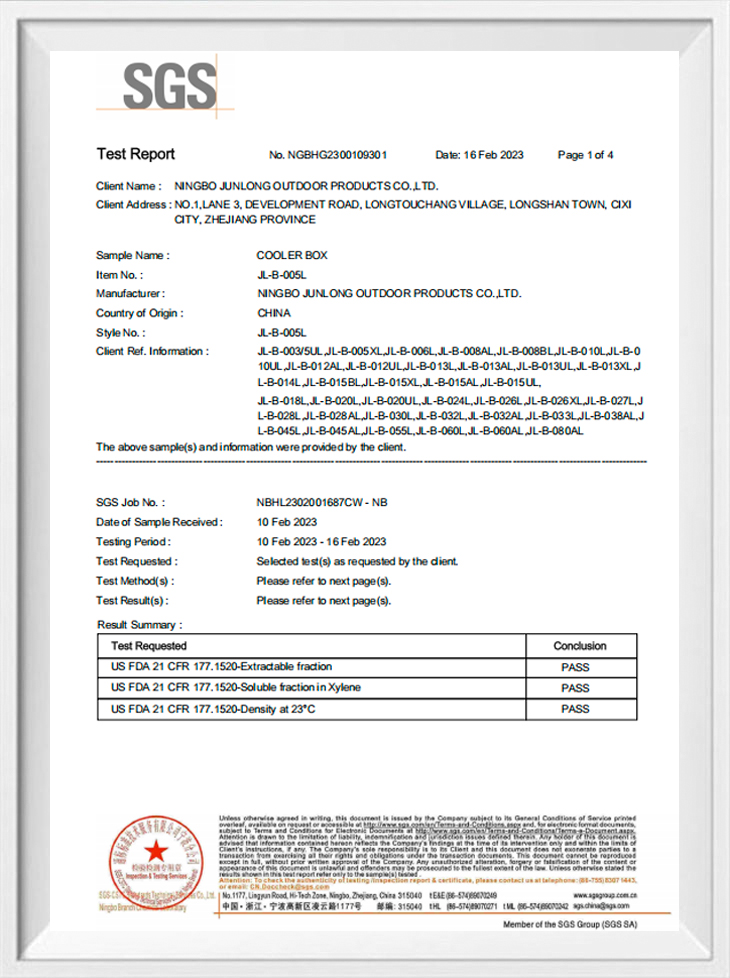
Standard quality checkpoints such as seal pressure testing, wall thickness sampling, and drop testing support the trends shown earlier. For buyers evaluating a cooler boxes factory, a cooler jugs factory, or an outdoor water containers factory, confirming these quality checkpoints directly with the manufacturer is often as valuable as reviewing published specifications alone.
About Ningbo Junlong Outdoor Products Co., Ltd.
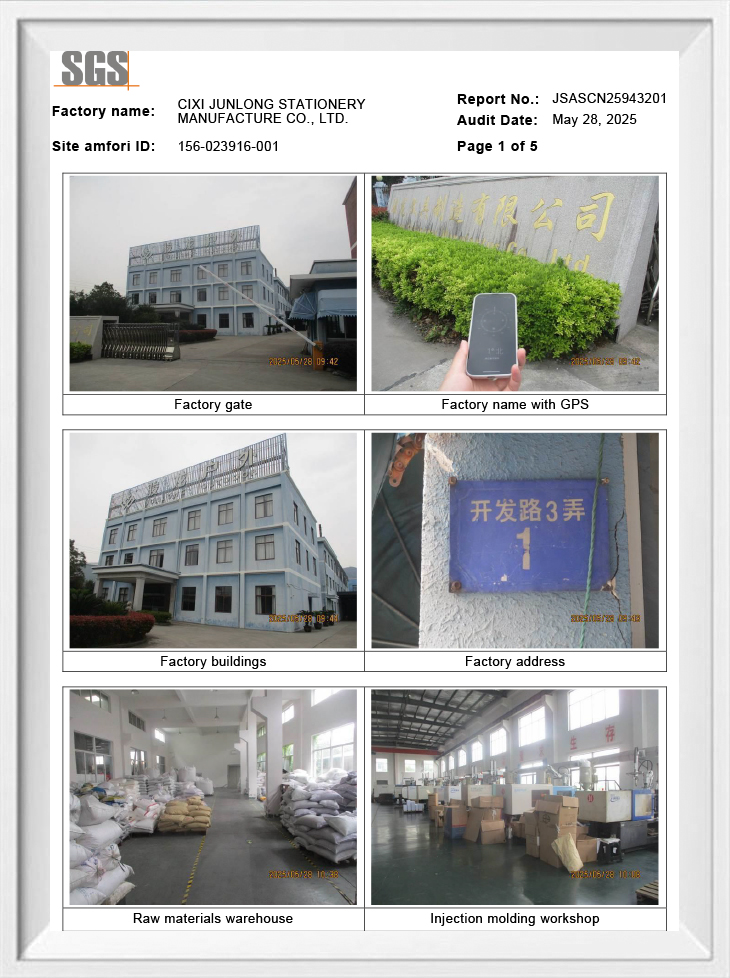
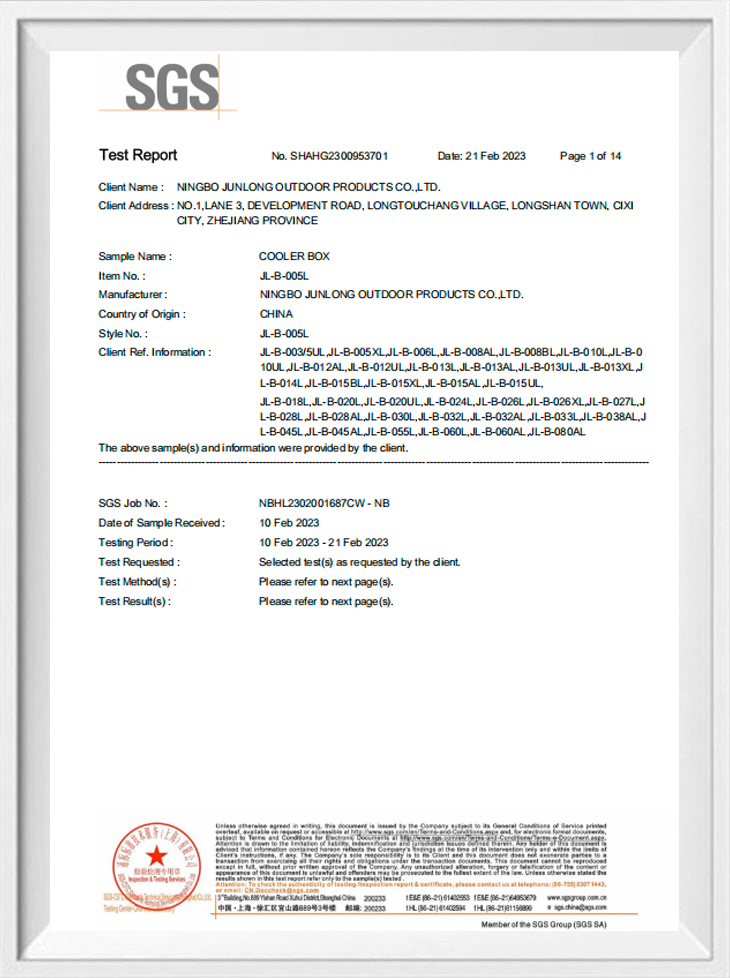
Ningbo Junlong Outdoor Products Co., Ltd. was founded in 2000 and is located in Cixi, Ningbo, an important manufacturing hub in the Yangtze River Delta with convenient transportation and a well-developed industrial supply chain. The company is a manufacturing enterprise integrating product development, production, and sales, with a focus on outdoor cooling and water storage products.
This combination of location, supply chain access, and in-house production capability supports the company's ability to serve buyers sourcing through a cooler boxes factory, a cooler jugs factory, or an outdoor water containers factory line, whether for individual outdoor use or larger-scale distribution needs.
Frequently Asked Questions
Q1: What production method is generally used for heavy-duty cooler boxes?
A1: Rotomolding is commonly used for heavier-duty cooler boxes since its single-piece, foam-filled construction avoids seams that could otherwise weaken the container.
Q2: Why does batch size affect defect rate in container production?
A2: Larger batches allow tooling, staff, and line settings to stabilize further into a production run, which typically results in a gradually lower defect rate compared to small initial batches.
Q3: Can one facility produce cooler boxes, cooler jugs, and water containers together?
A3: Yes, many facilities in this category maintain combined production capability across multiple outdoor cooling and water storage product lines under shared quality processes.
Q4: What should buyers check before finalizing a production partner?
A4: Buyers should review wall thickness specifications, request sample units for inspection, and confirm in-house testing and packaging practices before committing to a full order.
