

 LANGUAGE
 日本語
日本語 Español
 عربى
عربى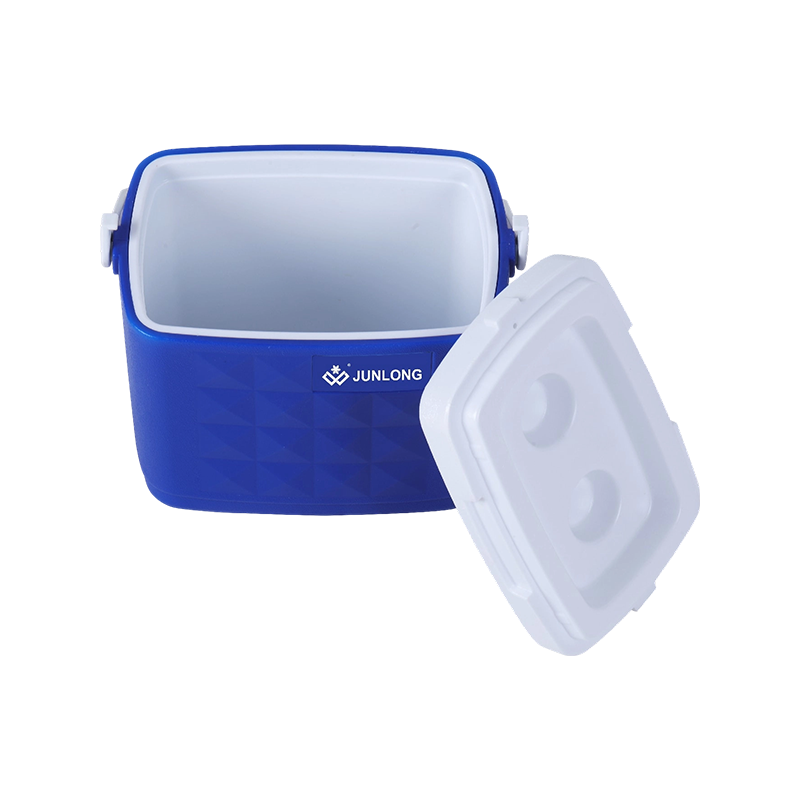
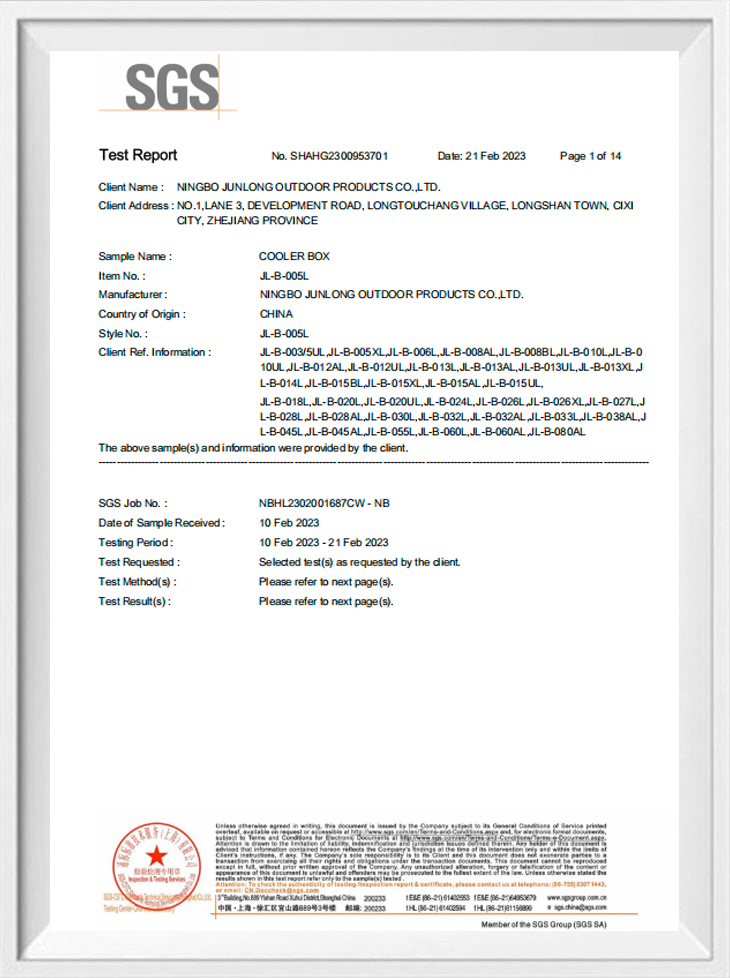
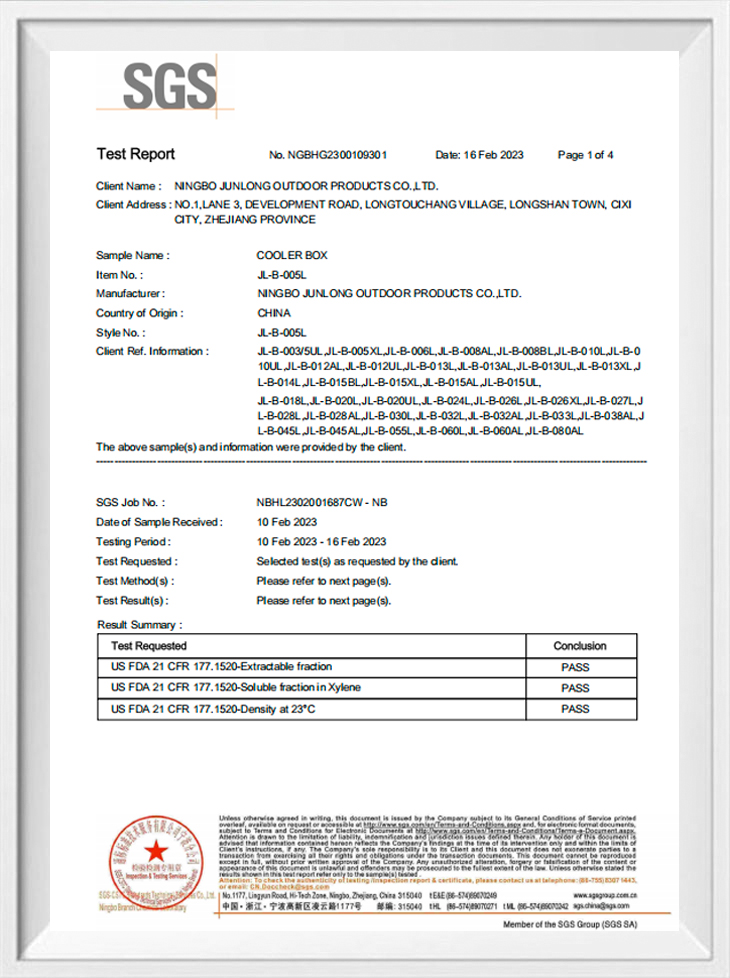
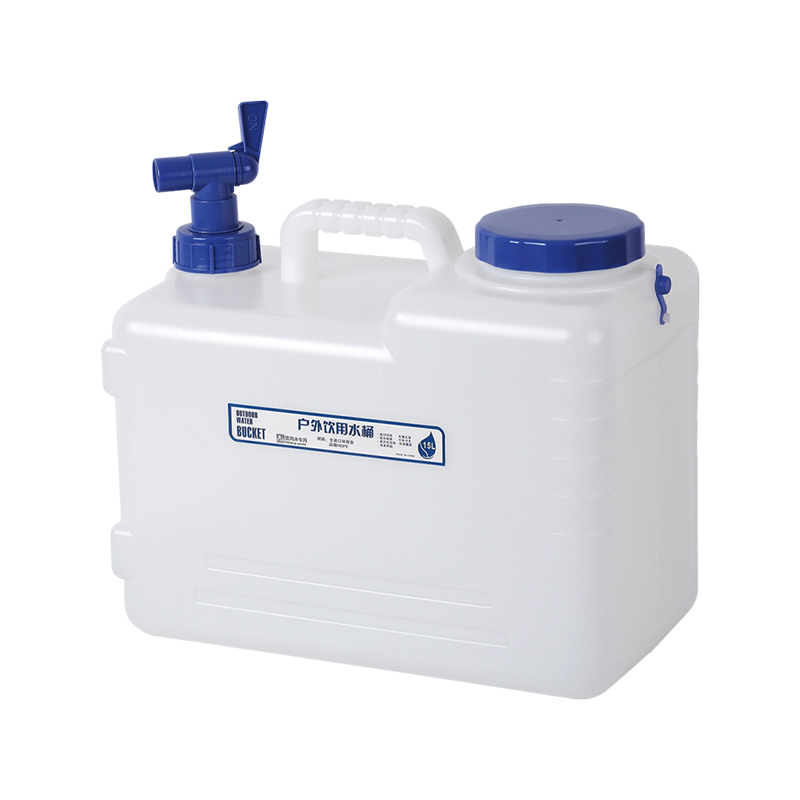
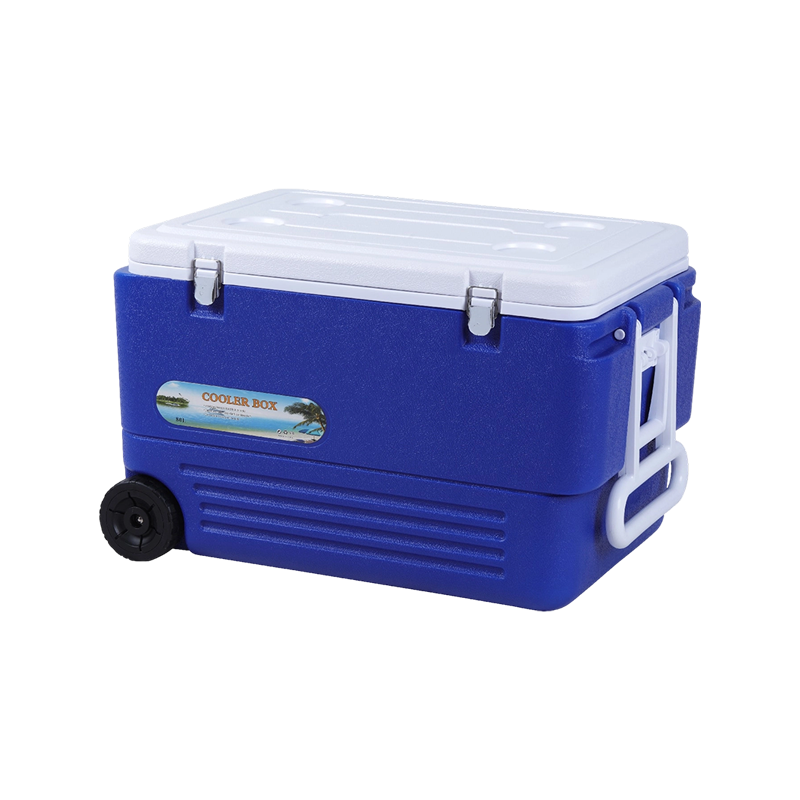
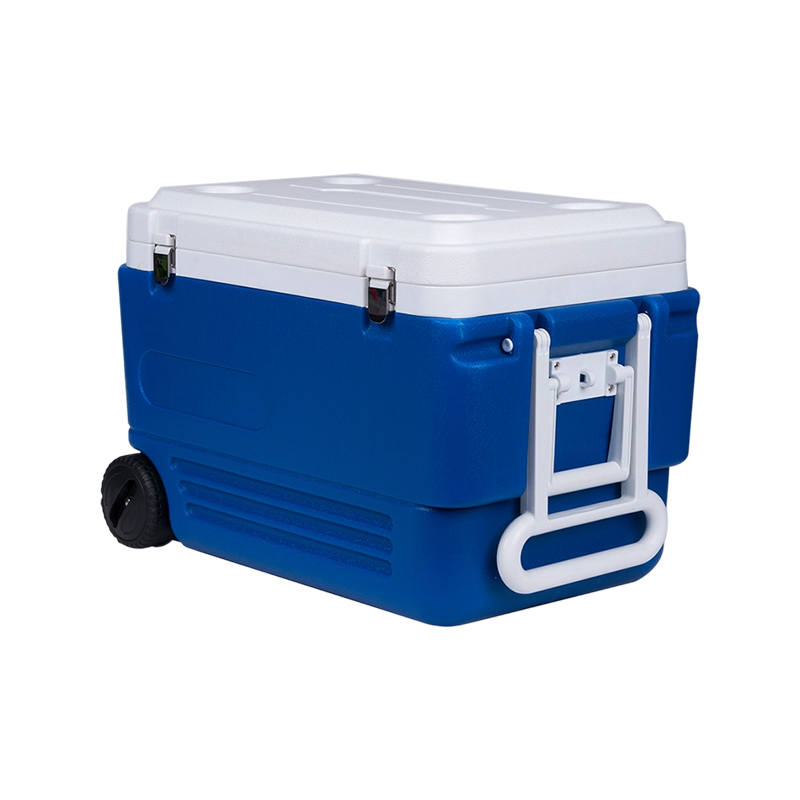
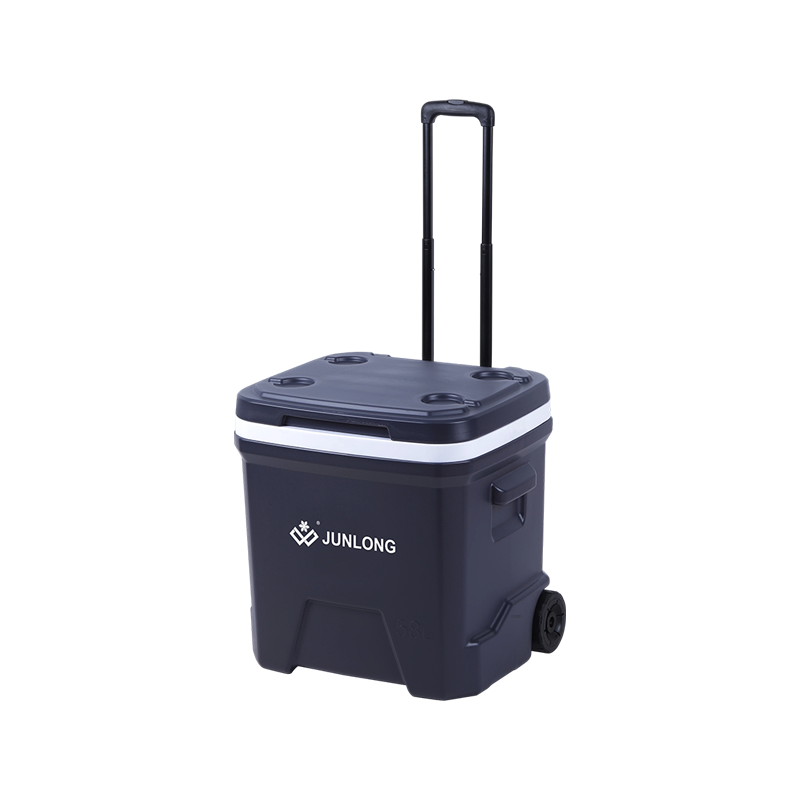
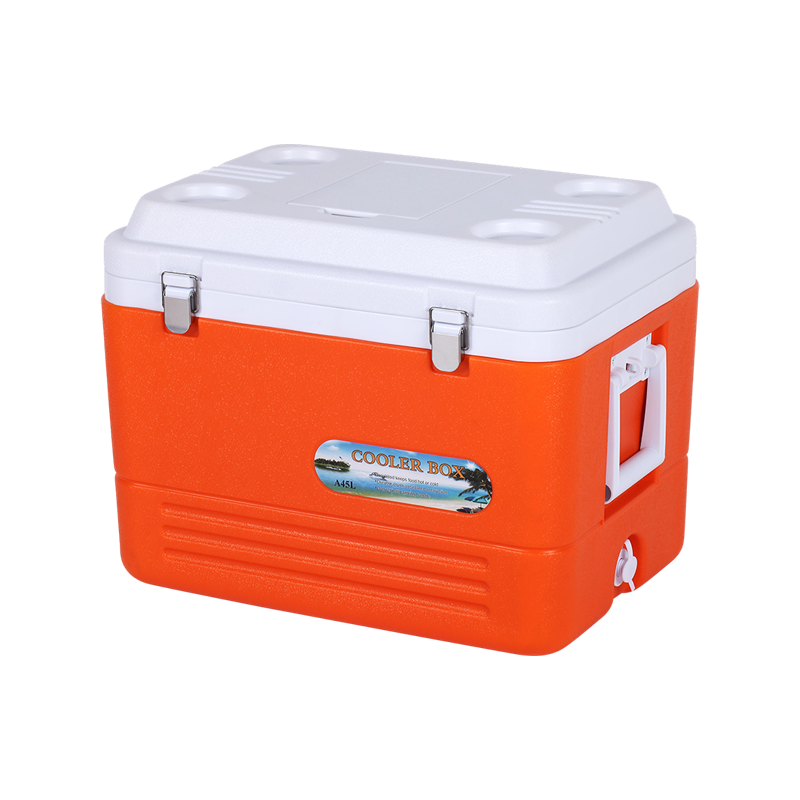
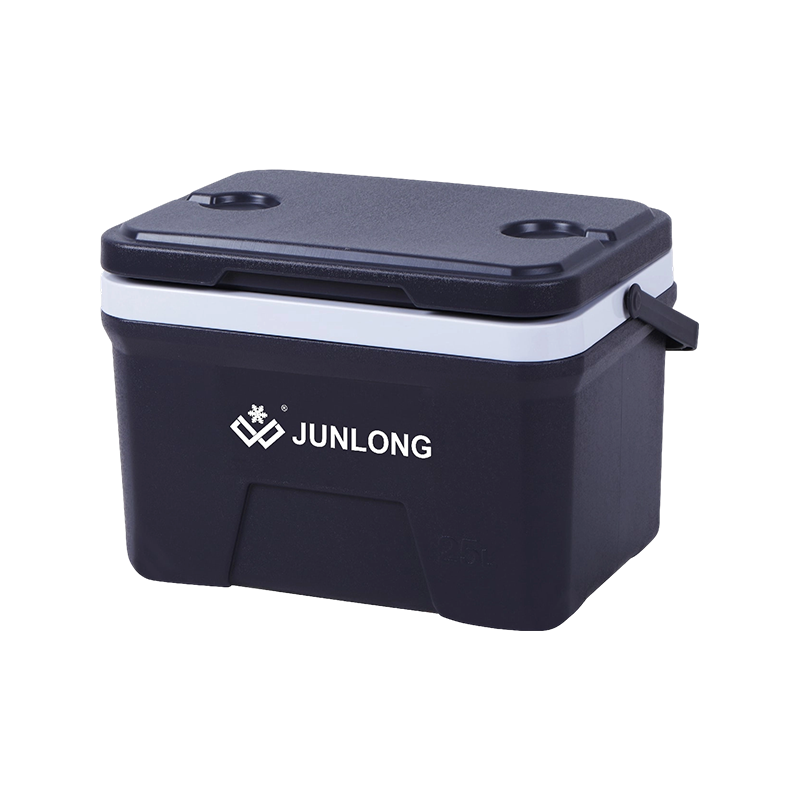
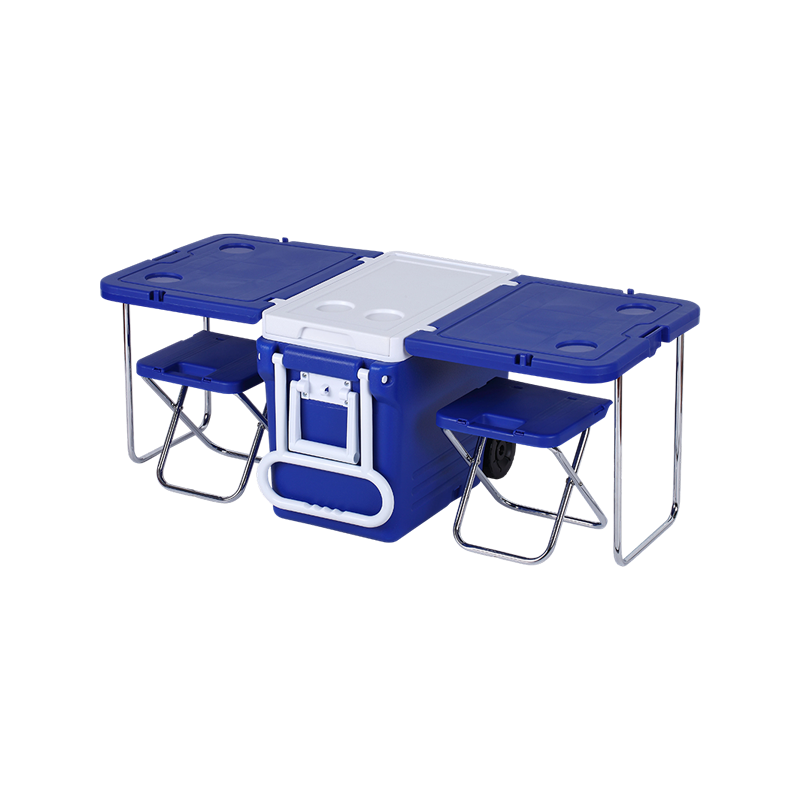
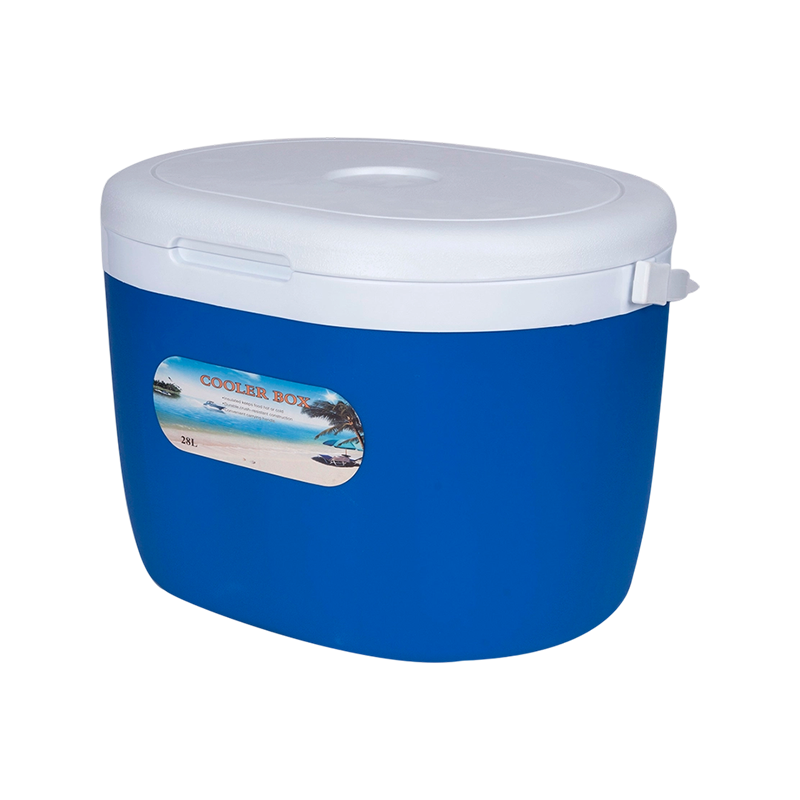
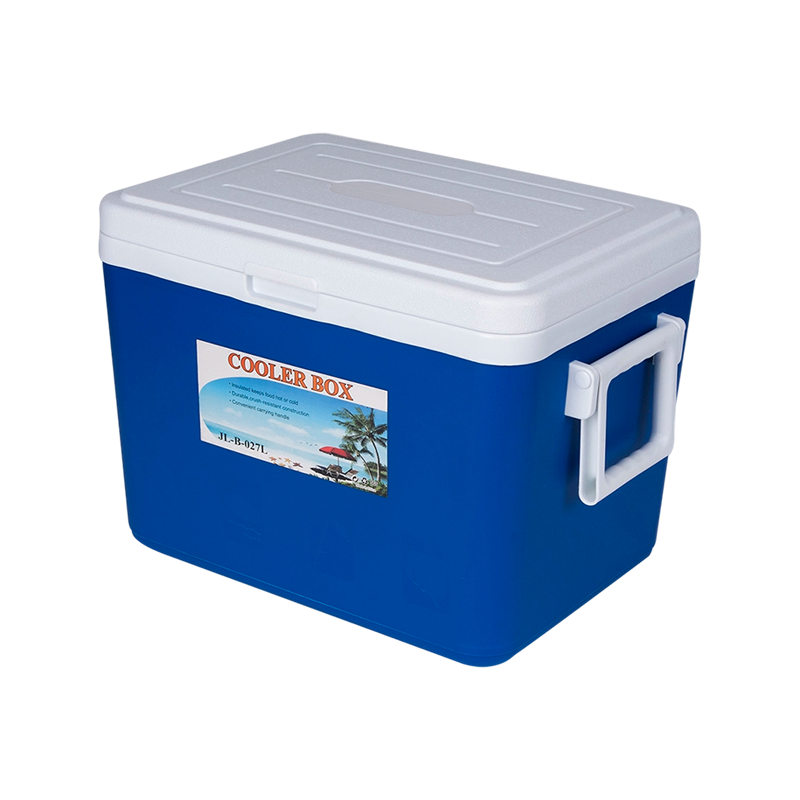
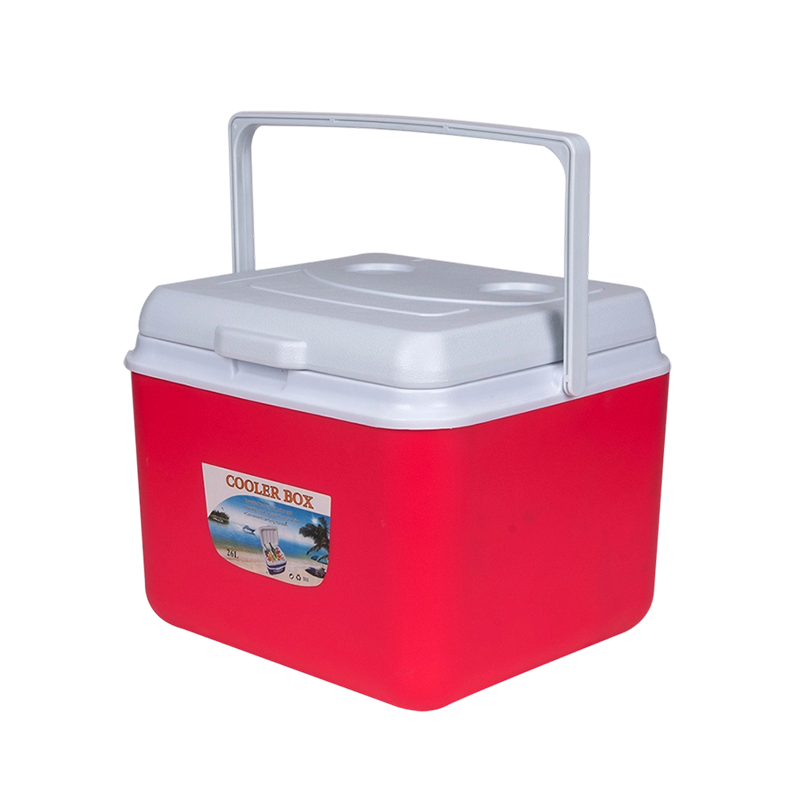
What Makes a Small Cooler Box Effective
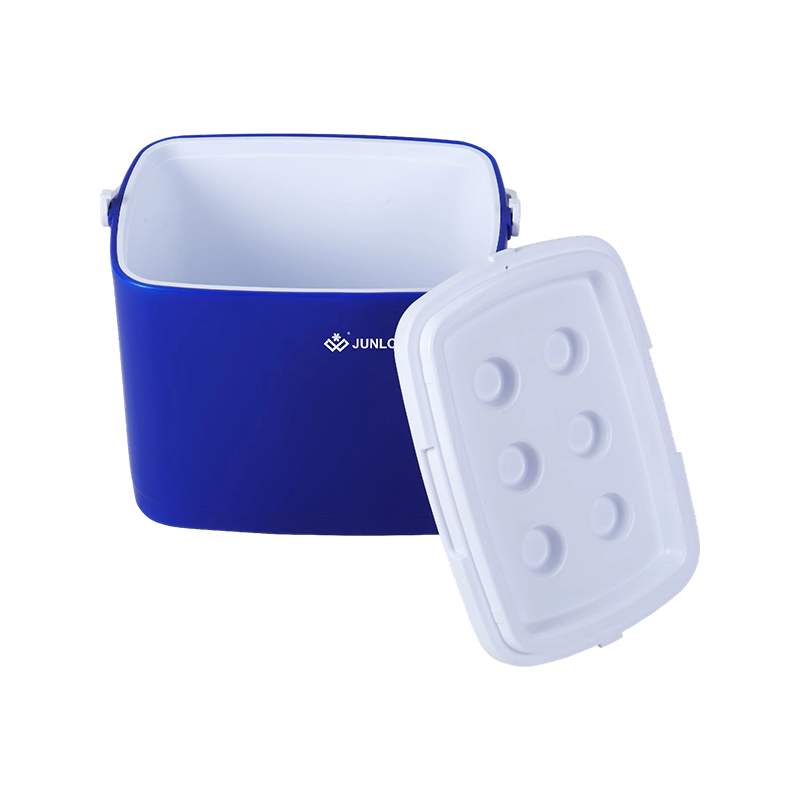
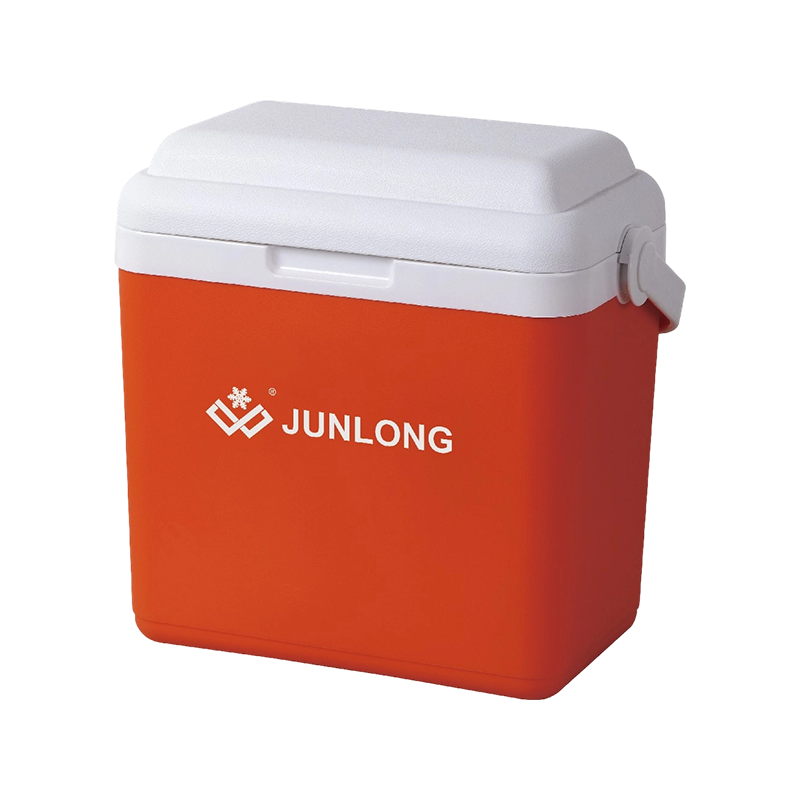
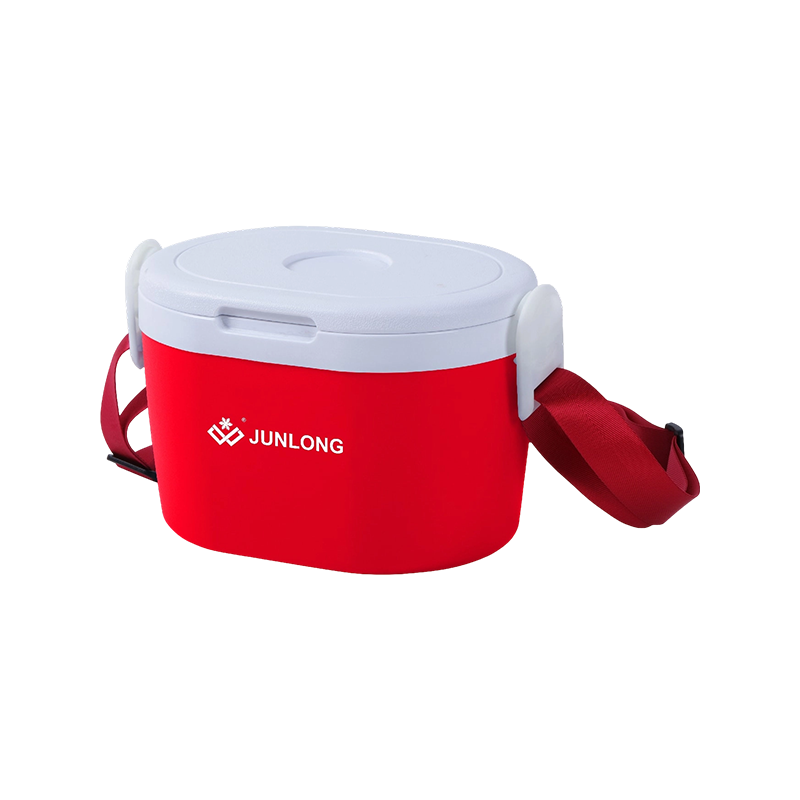
The direct answer for anyone comparing compact cooling options is that a well-built Small Cooler Box(5L-13L) depends on three factors above all else: insulation-to-volume ratio, seal quality relative to its smaller lid area, and shell rigidity given its lighter overall build. Because a small unit has less internal volume to buffer against ambient heat than a large cooler box, even minor gaps in insulation or seal fit show up faster as reduced cooling duration. This makes construction quality more noticeable in the 5L-13L range than in larger formats, which is an important consideration for anyone selecting a Small Portable Cooler Box for daily or travel use.
This article reviews measured performance patterns, structural comparisons, and practical selection guidance across common small cooler box configurations, using typical field performance data so that buyers researching a Small Cooler Box for personal use, sourcing through a China Small Cooler Box supplier, or working with a Small Cooler Box Manufacturer on a custom order can compare options on a consistent basis.
Core Performance Metrics Across Small Cooler Box Configurations
Five metrics matter most when comparing small cooler box configurations: ice retention, portability, seal reliability, shell durability, and interior space efficiency. The horizontal bar chart below scores two common configurations against these metrics on a 0-100 index built from typical field performance ranges: a rotomolded hard-shell small cooler box and a soft-sided insulated small cooler bag. The rotomolded configuration scores highest on ice retention and shell durability, since its rigid, foam-filled wall resists both heat transfer and impact better than a flexible fabric shell, while the soft-sided option remains competitive on portability due to its lighter, collapsible design.
This comparison shows that the rotomolded configuration extends its advantage mainly in ice retention and shell durability, which explains why it tends to be preferred for daily commuting, short trips, and situations where the box may be set down on uneven ground. The portability advantage of a soft-sided option remains relevant for buyers who prioritize easy folding and storage between uses over maximum cooling duration. Matching the configuration to actual daily habits tends to matter more here than in larger cooler formats, since a small box is used more frequently and in more varied settings.
Ice Retention Across Short-Trip Time Frames
A key indicator of small cooler box quality is how much ice remains inside as hours pass, since a 5L-13L unit is typically used for shorter outings than a large cooler box. The line chart below tracks remaining ice percentage across five time stages, from an early 3 hours up to 24 hours, in a common day-trip scenario. A gradual, controlled decline is expected as ambient heat transfers through the smaller insulated wall, but the curve should stay smooth rather than dropping sharply at any single stage, since a sudden decline would point to a seal or insulation defect rather than routine thermal loss.
Remaining ice declines from roughly 96% at 3 hours to about 74% at 24 hours in this typical short-trip pattern, a gradual curve well suited to day trips, lunch coolers, and single-day outdoor activities where the box does not need to hold cold for multiple days. This kind of predictable thermal decline is exactly why insulation and seal quality matter for a Small Portable Cooler Box: a well-built unit loses stored cold gradually and evenly rather than dropping off unpredictably during a shorter outing. How often the lid is opened and the ambient temperature both affect how closely actual results track this typical curve.
Where Small Cooler Boxes Are Commonly Used
The application spread of small cooler boxes reflects the settings where compact, easy-to-carry cold storage is preferred over a bulkier large cooler box. The vertical bar chart below shows a representative usage breakdown across common categories, based on aggregated field usage patterns. Daily commuting and lunch use lead the distribution, followed by short outdoor trips, beverage and snack storage at small gatherings, and bulk sourcing through manufacturer and wholesale channels.
Daily and lunch use accounts for roughly 31% of typical deployment, reflecting how a compact Small Cooler Box fits naturally into routines where a full-size cooler would be impractical. Short outdoor trips follow closely, since the 5L-13L range strikes a balance between enough capacity for a few hours outdoors and light enough weight for easy carrying. The manufacturer and wholesale share represents businesses working with a Small Cooler Box Manufacturer to source units at scale, often through a China Small Cooler Box supplier.
Hard-Shell Construction Versus Soft-Sided Construction
A radar chart helps visualize the trade-off between a rotomolded hard-shell small cooler box and a soft-sided insulated small cooler bag across multiple dimensions at once. The chart below compares both across insulation performance, shell durability, foldability, weight efficiency, and interior organization for buyers comparing options within the Small Cooler Box(5L-13L) category. The hard-shell construction extends further on insulation performance and durability, while the soft-sided construction extends further on foldability and weight efficiency for easy transport when empty.
Neither shape covers every dimension, reinforcing why the choice between constructions should be driven by intended daily use rather than assuming one type is universally better. Buyers who need a sturdy surface to sit or stand on tend to favor hard-shell construction, while those who value compact storage when not in use often lean toward soft-sided small cooler bags depending on how frequently the unit will be packed away between trips.
Practical Selection Guidance by Use Case
Choosing the right small cooler box starts with identifying expected trip length, carrying method, and how frequently the unit will be used. The table below summarizes practical guidance across common scenarios within the 5L-13L range.
Scenario-Based Selection Reference
| Use Case | Suitable Configuration | Reason |
|---|---|---|
| Daily lunch or commute use | 5L-8L Small Cooler Box | Compact size fits easily into a bag or car seat |
| Short day trips outdoors | 10L-13L Small Portable Cooler Box | Extra capacity for a few hours of outdoor activity |
| Rugged or uneven outdoor terrain | Hard-shell rotomolded Small Cooler Box | Rigid shell withstands rough handling and can be used as a seat |
| Bulk sourcing or branding programs | Custom order via Small Cooler Box Manufacturer | Standardized units support consistent inventory planning |
Before placing a small cooler box into regular daily or outdoor use, a few additional checks help support consistent performance:
- Confirm the lid seal sits flush across its full perimeter, since a smaller lid area leaves less margin for gaps.
- Pre-chill the empty box briefly before loading ice to reduce initial thermal load.
- Check handle and latch stability when the box is filled to its rated capacity.
- Inspect the shell or fabric exterior for wear after repeated daily carrying.
- Clean and fully dry the interior after each use to maintain consistent hygiene in frequent daily use.
Manufacturing Consistency Behind Dependable Small Cooler Box Performance
The predictable ice retention curve discussed earlier depends on consistent manufacturing of the box's wall thickness, foam fill density, and seal fitting, and this precision matters even more at small scale since there is less material volume to compensate for minor inconsistencies. Variation in wall thickness or foam density can shift both insulation performance and how evenly the container holds temperature once loaded, which is why tight process control matters throughout production. Automated molding and in-process quality checks help keep a Small Cooler Box(5L-13L) performing within a consistent range across its service life, supporting the field patterns referenced throughout this article.
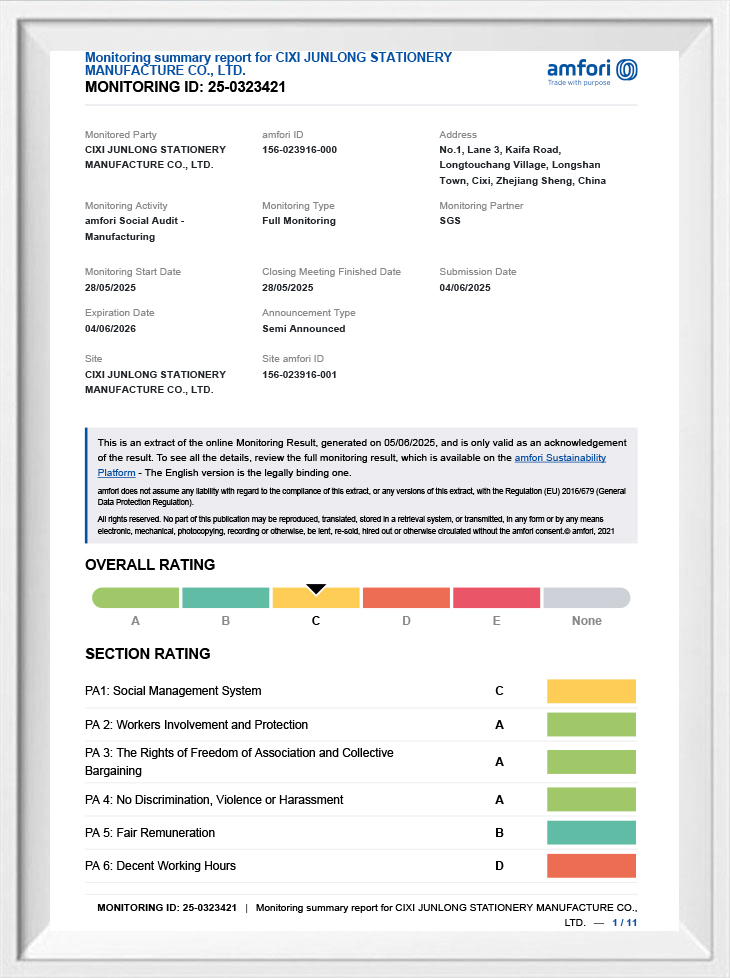
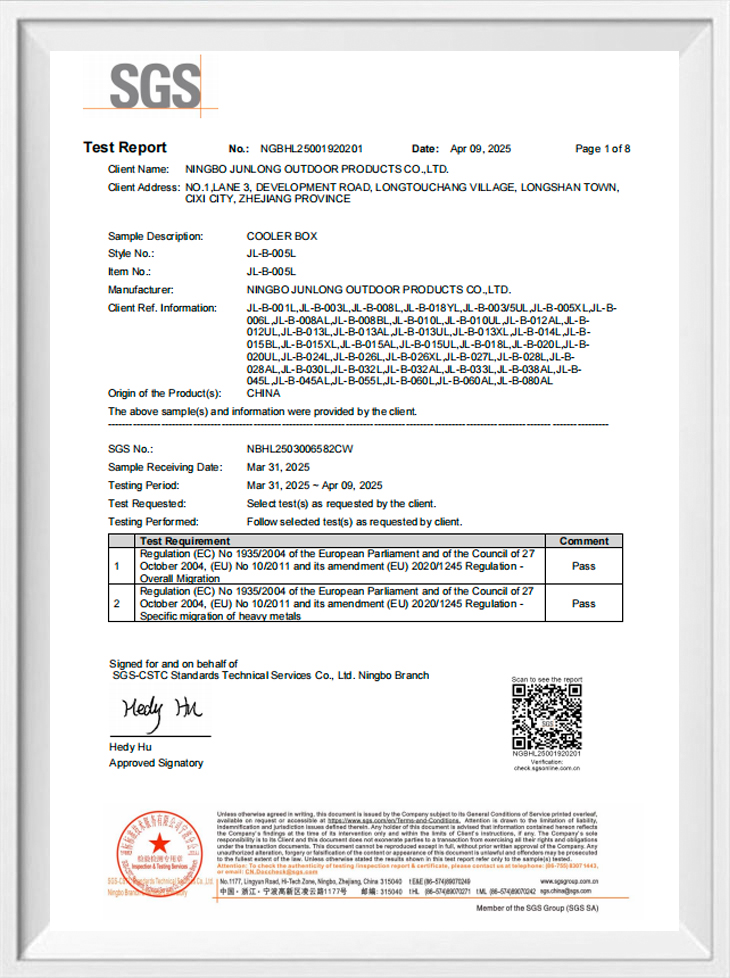
Standard quality checkpoints such as seal pressure testing, wall thickness sampling, and drop testing support the performance trends shown earlier. For businesses working with a Small Cooler Box Manufacturer or evaluating a China Small Cooler Box supplier for a bulk order, confirming these quality checkpoints directly with the manufacturer is often as valuable as reviewing published specifications alone.
About Ningbo Junlong Outdoor Products Co., Ltd.
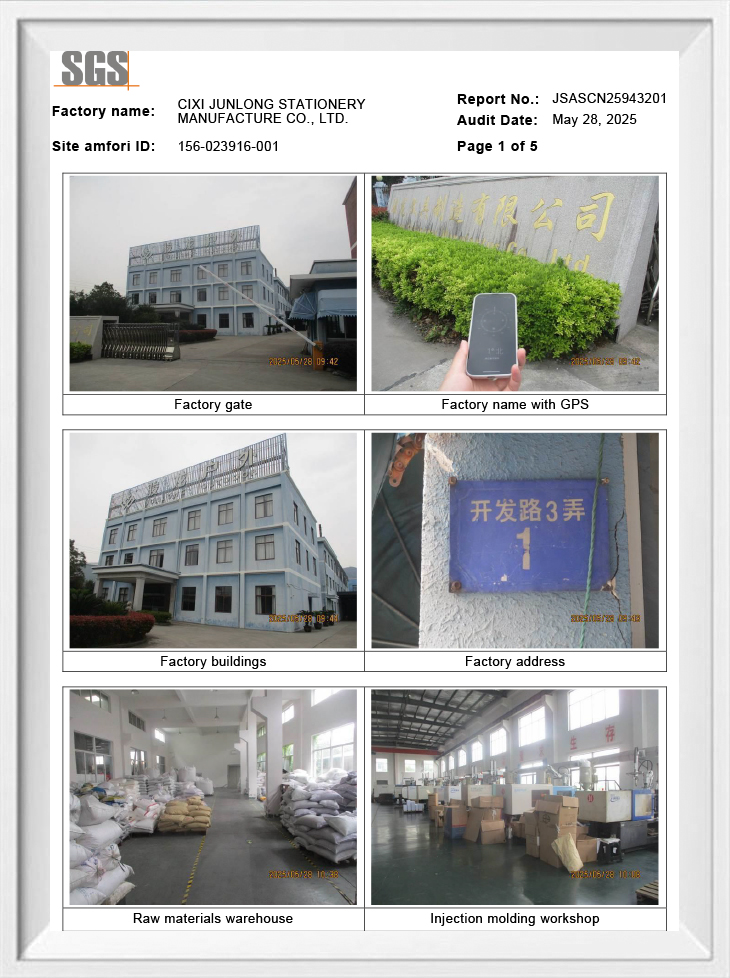
Ningbo Junlong Outdoor Products Co., Ltd. was founded in 2000 and is located in Cixi, Ningbo, an important manufacturing hub in the Yangtze River Delta with convenient transportation and a well-developed industrial supply chain. The company is a manufacturing enterprise integrating product development, production, and sales, with a focus on outdoor cooling and water storage products.
This combination of location, supply chain access, and in-house production capability supports the company's role as a dependable Small Cooler Box Manufacturer, serving buyers seeking a reliable Small Portable Cooler Box for personal use as well as businesses sourcing through a China Small Cooler Box partnership for larger distribution needs.
Frequently Asked Questions
Q1: What is the typical capacity range for a Small Cooler Box?
A1: The Small Cooler Box(5L-13L)range covers compact units suited to daily lunch use through short day trips, offering enough capacity for personal or small-group needs without the bulk of a larger cooler.
Q2: How long can a Small Portable Cooler Box keep contents cold?
A2: Cooling duration depends on wall insulation, ambient temperature, and how often the lid is opened, though a well-sealed small unit can typically maintain cooling performance through a full day of outdoor use.
Q3: Is a hard-shell or soft-sided Small Cooler Box better for daily use?
A3: It depends on priorities; a hard-shell unit offers stronger insulation and durability, while a soft-sided design offers easier folding and storage between uses.
Q4: What should a buyer check before working with a Small Cooler Box Manufacturer?
A4: It helps to confirm wall construction, seal quality, available size options within the 5L-13L range, and the manufacturer's quality checkpoints before committing to a bulk order.
