- SMALL ORDERS FOR STANDARD ITEMS. Contact Now
- OUTDOOR COOLING SOLUTIONS, MADE IN‑HOUSE. Contact Now
- COOLER BOXES THAT FIT REAL OUTDOOR LIFE. Contact Now

 LANGUAGE
 日本語
 Español
 عربى

Industry News
6-Cup Capacity Explained: How Much It Holds and Which Insulated Jug to Pick
Content
When someone asks about a 6-cup capacity, they usually mean one of two things: the size of a coffee maker such as a moka pot, or the amount of liquid needed for a meal, picnic, or camping trip. The answer is simpler than it sounds. Six US cups equal about 1.42 liters, or 48 fluid ounces. A 6-cup moka pot produces roughly 300 milliliters of concentrated coffee, which serves two to four people once you add milk or water. For regular drinks, six cups fill six standard mugs or three to four travel tumblers. The real question is not just what six cups measure, but how to keep that volume hot or cold after it leaves the kitchen. That is where an insulated beverage jug becomes the most useful piece of gear you can carry.
What Does a 6-Cup Capacity Actually Mean?
A cup is not always a cup. In the United States, the legal cup used for food and drink labeling is 240 milliliters. In metric countries, a cup is often defined as 250 milliliters. Coffee makers use a smaller reference, around 180 milliliters per cup. These differences matter when you compare a 6-cup moka pot, a 6-cup measuring cup, and a 6-cup serving carafe.
| Cup standard | Volume per cup | Total for 6 cups |
|---|---|---|
| US legal cup | 240 mL / 8.1 fl oz | 1.42 L / 48 fl oz |
| Metric cup | 250 mL / 8.5 fl oz | 1.50 L / 50.7 fl oz |
| Coffee cup standard | 180 mL / 6.1 fl oz | 1.08 L / 36.5 fl oz |
| Moka pot serving | about 50 mL brewed coffee | about 300 mL total |
So when a product says 6 cups, check which standard it follows. For beverage containers, the US legal cup is the most practical reference because it matches how drink bottles, water jugs, and cooler jugs are labeled in most markets. The difference between 1.08 liters and 1.50 liters might not look huge, but over a weekend trip it decides whether you refill once or twice.
How Many People Does 6 Cups Serve?
The serving math depends on the drink and the glass size. Use the table below as a quick reference when you plan a meal, a meeting, or an outdoor trip.
| Drink type | 6-cup volume | Typical servings |
|---|---|---|
| Drip coffee | 1.42 L | 4 to 6 mugs |
| Moka pot concentrate | about 300 mL | 2 to 4 espresso drinks |
| Cold water or juice | 1.42 L | 4 to 7 glasses |
| Hot tea | 1.42 L | 4 to 6 cups |
If you are planning an outing, the serving estimate matters more than the cup count. A family of four heading out for a morning hike will get through a 1.4 liter jug of coffee in under an hour. Add a second round, and you need a larger jug or a refill plan. For mixed groups, decide servings in advance so you do not carry more weight than necessary or run out halfway through the day.
Why Capacity and Insulation Must Be Considered Together
If you brew exactly six cups, do not choose a container that holds exactly six cups. Ice takes up space, hot liquid needs headroom so the lid can seal without pressure build-up, and a faucet mechanism takes up some internal volume. A practical rule is to add 20 to 30 percent extra capacity. For 6 US cups, which is about 1.42 liters, a 1.8 liter jug is a more comfortable match than a 1.5 liter one.
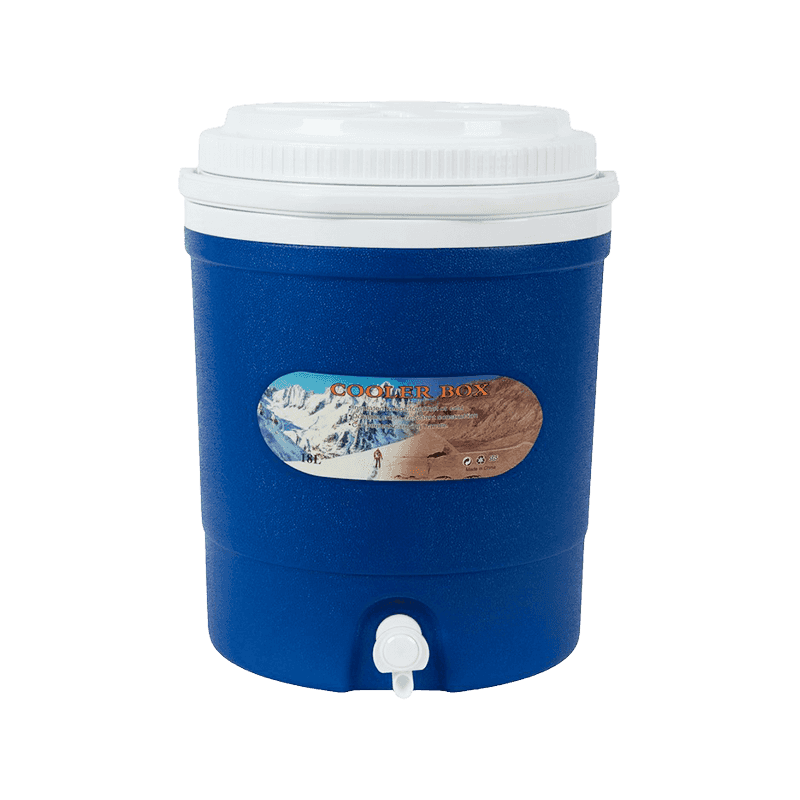
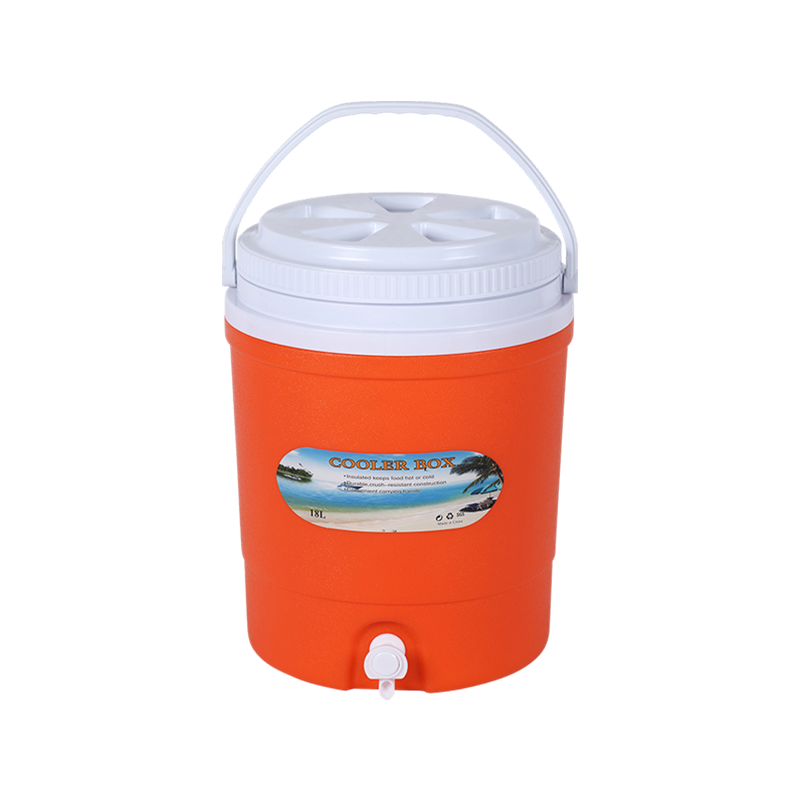 18L Portable Insulated Water Jug with FaucetSize: Φ305*390MM Volume: 18L Material: FOOD GRADE PP+PE+EPS Weight: 1550GView Product →
The insulated cooler jugs collection lists models by liter volume, so use the conversion standards from the table above before you compare sizes. Insulation performance is also tied to how full the jug is. A jug that is only two-thirds full loses temperature more quickly because the air pocket above the liquid speeds up heat exchange. Keeping a 6-cup quantity in a jug that is close to full preserves temperature longer than splitting it into several small bottles, which also means fewer containers to wash and carry.
What to Look For in an Insulated Jug for 6-Cup Quantities
Not every jug that holds 1.4 liters is right for daily use. Focus on these points when you compare products:
- Insulation type: PU foam insulation holds temperature for several hours without adding much weight. It suits both hot coffee and cold water.
- Lid seal: a screw-on lid with a silicone gasket prevents spills in a car or backpack and keeps heat from escaping. Test the seal before you buy a large jug.
- Serving style: a faucet lets people refill their own cup without opening the whole lid, while a pour spout is lighter and easier to clean.
- Food-safe materials: food-grade plastic should be BPA-free and easy to rinse after heavy use.
- Handle and weight: a filled 1.4 liter jug weighs about 1.5 kg, so a solid handle or shoulder strap makes a real difference on a walk or campsite.
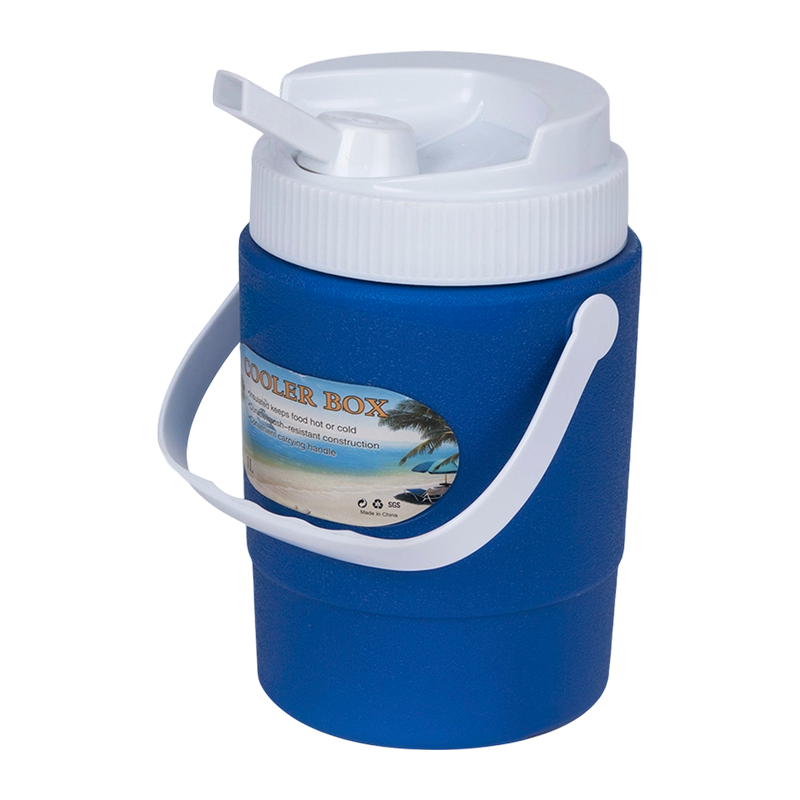 1 Litre PLASTIC Thermal Insulated Cooler Jug for Food, Beverage, and Sports UseVolume: 1L Material: PP+PE+PU Weight: 220gView Product →
If your 6-cup routine is for one or two people who prefer smaller refills, a 1 liter thermal jug is easier to carry and still covers a standard morning brew. For a closer look at the design differences between these containers and open coolers, the article on what a cooler jug does explains the basic structure and typical uses.
Matching a 6-Cup Routine to the Right Container
Different scenarios call for different capacities. The three situations below are the most common ones where a 6-cup quantity shows up:
- Workday coffee run: brew 6 cups at home, pour into a 1.8 liter jug with a faucet, and three people have enough coffee through the morning without reheating.
- Family picnic: 6 cups of cold lemonade plus a bag of ice fits best in a jug with a wide mouth and a sealing cover. If you need more, step up to a 3 liter jug.
- Camping breakfast: a 6-cup moka pot makes the coffee, and an insulated jug keeps it hot while you cook. Choose one with a sealing cover so it survives the trip in a backpack.
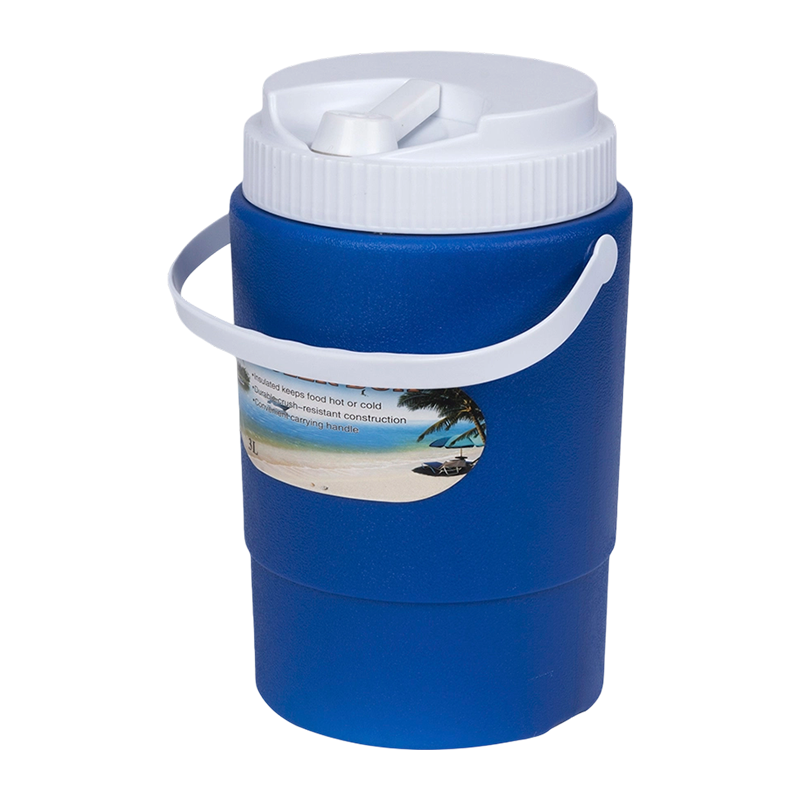 3L PU Insulation COOLER JUG with Sealing CoverVolume: 3L Material: PP+PE+PU Weight: 470gView Product →
The 3 liter model is a common upgrade because it also covers cold water for a full day out, so it works as a dual-purpose container. When you compare products, ignore the cup number on the label and check the liter volume. A jug marked with an optimistic cup count can be smaller than you expect, so verify it against the conversion standards from earlier in this article.
The Practical Takeaway
Six cups means about 1.4 liters under the US standard, about 300 milliliters of concentrate from a moka pot, and four to six servings depending on the drink. When you choose an insulated jug for that quantity, add 20 to 30 percent extra capacity, check the insulation and lid seal, and match the serving style to your routine. A 1.8 liter jug covers most 6-cup needs, a 1 liter jug works for solo use, and a 3 liter jug gives you room to grow. Keep the cup standard in mind, and you will not end up with a container that is too small or a drink that goes cold before the second round.
Product Recommendation

link
Office
- TEL: +86-574-63787606
- Phone: +86-13777994798
- E-mail: sales@nbjunlong.com
- WhatsApp: 13777967488
- Address: No. 1, Lane 3, Development Road, Longtouchang, Longshan Town, Cixi City, Zhejiang Province, China
Get In Touch
Copyright © Ningbo Junlong Outdoor Products Co., Ltd. All Rights Reserved.
China Plastic Insulated Cooler Box Manufacturer Custom Cooler Box Supplier
